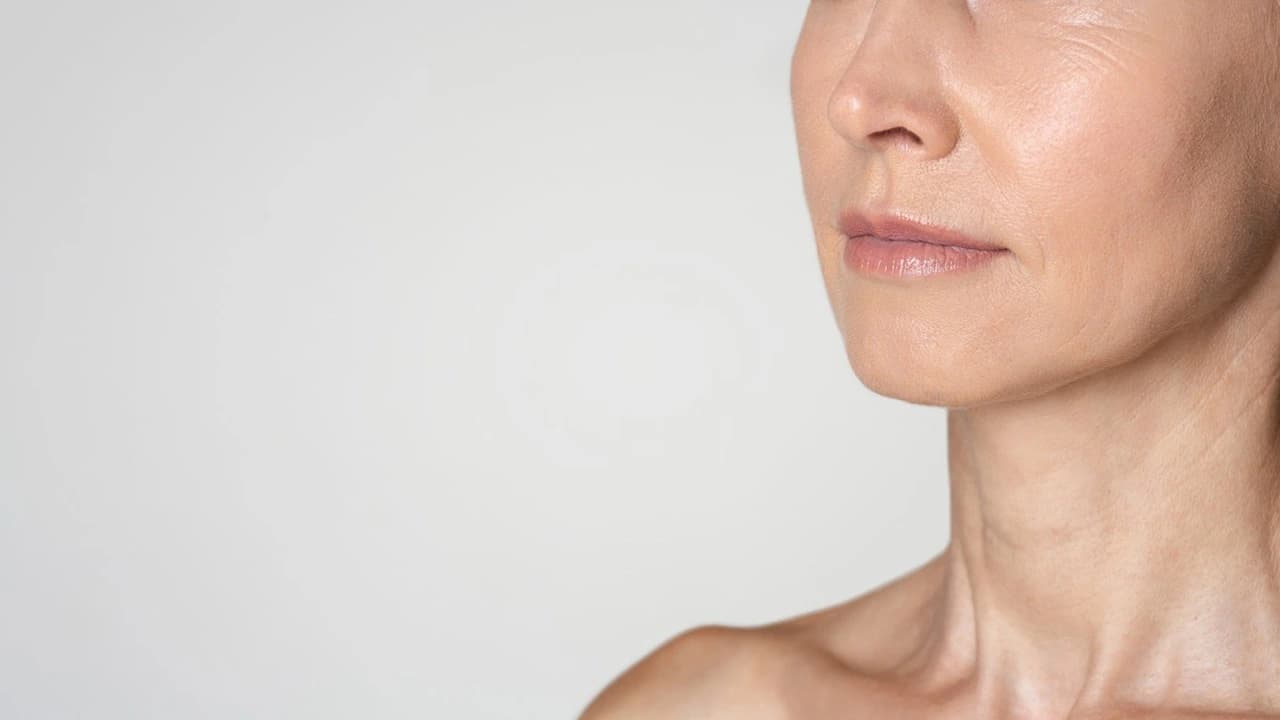

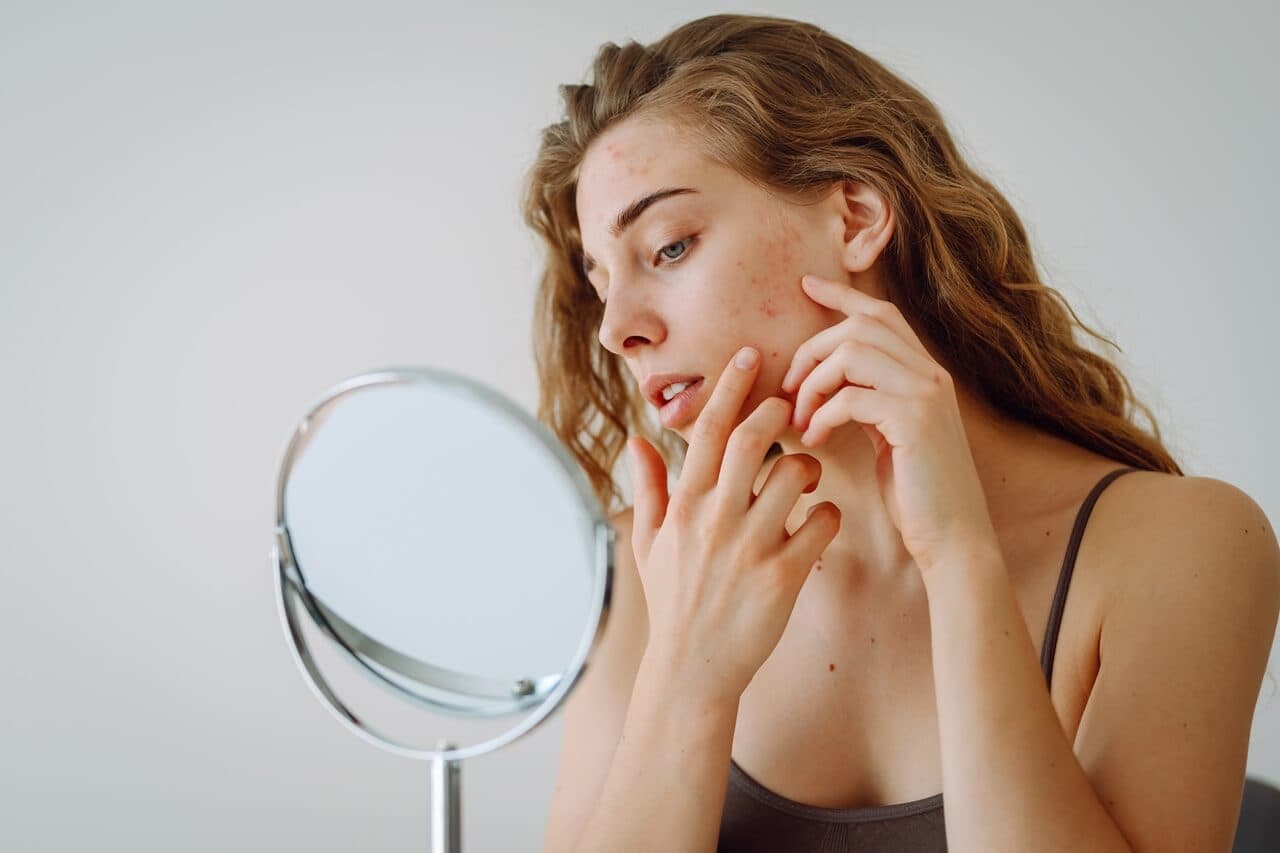
Living in Dubai means enjoying plenty of sunshine, but constant exposure to intense UV rays can take a visible toll on your skin. From pigmentation and uneven texture to premature ageing and dehydration, sun damage is one of the most common skin problems that people living in Dubai face. Understanding how Dubai’s climate affects your skin and how to care for it with the right treatment can help effectively treat sun damage and uneven skin tone.
In this blog, we take you through some of the most common questions about repairing sun-damaged skin in Dubai and how to combine practical daily care with advanced treatment that suits the region’s unique environment.
Why Does Sun Damage Happen Faster in Dubai?
Dubai’s extreme climate all year round causes the skin to go through a lot of stress all the time. High temperatures increase sweat and oil production, while exposure to strong UV rays speeds up collagen breakdown and pigmentation. Moving between outdoor heat and air-conditioned interiors further dehydrates the skin, maing it’s natural barrier weak.
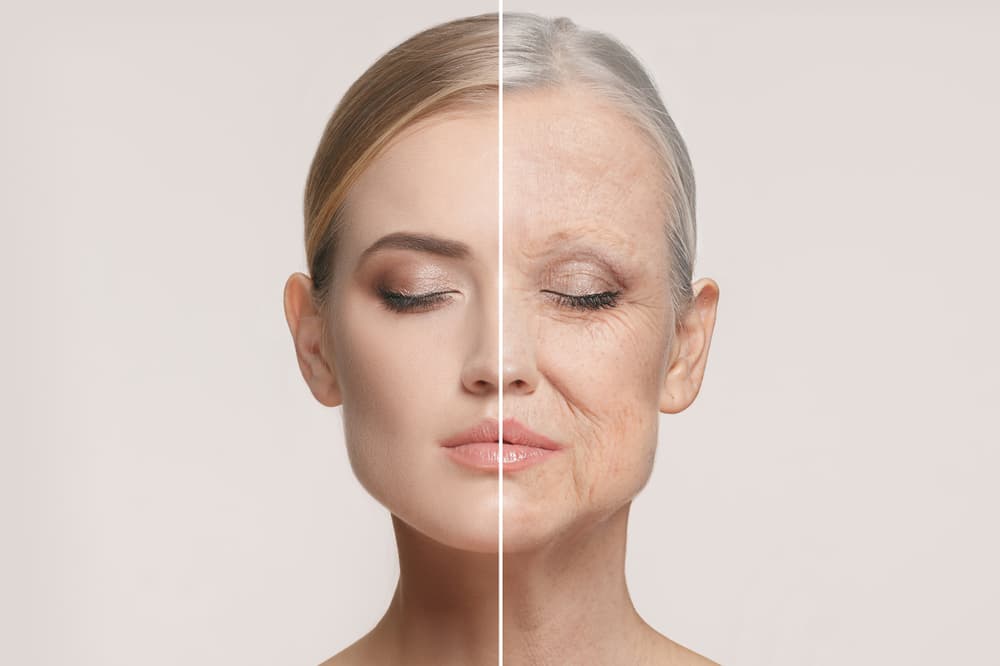
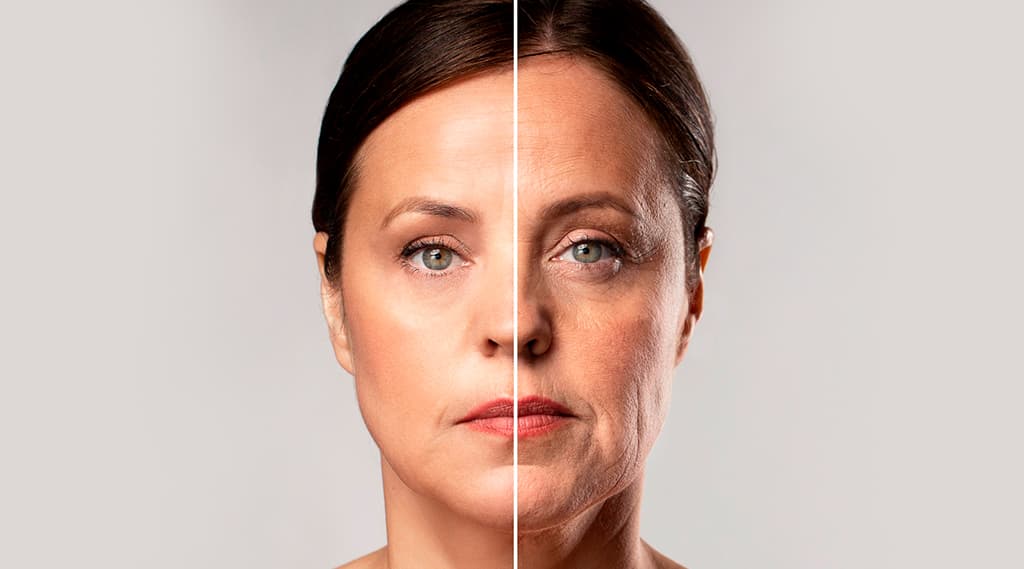
Humidity can be misleading; it makes skin feel oily, yet deeper layers remain dehydrated. Over time, this imbalance contributes to sunspots, dullness, fine lines, and uneven skin tone. Thus, repairing sun damage here requires a climate-aware approach that heals the skin from within.
What Are the Early Signs of Sun-Damaged Skin?
Recognising early signs allows quicker intervention. Common indicators include:
- Uneven skin tone and dark patches
- Persistent dryness or rough skin
- Increased sensitivity or redness
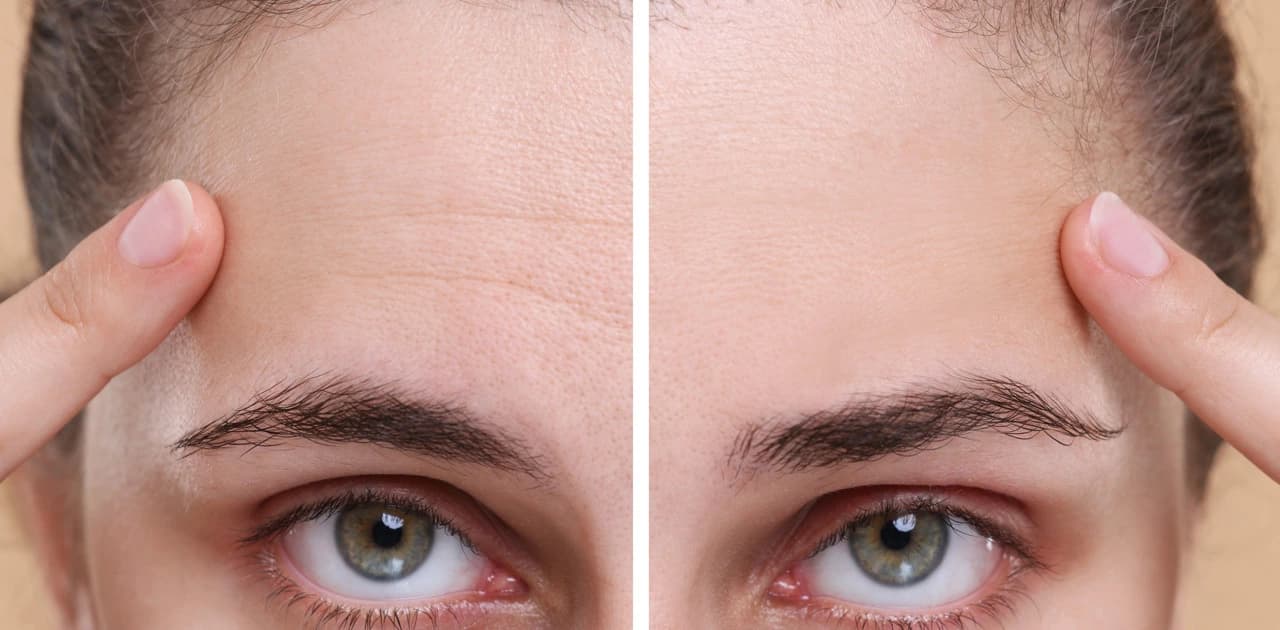
- Fine lines appearing earlier than expected
- Breakouts caused by excess oil and clogged pores
How Should Your Morning Routine Help Repair Sun Damage?
Your morning skin care routine plays an important role in protecting the skin from sun damage:
Gentle cleansing removes overnight oil and sweat without stripping moisture. Harsh cleansers can worsen dehydration, so sulphate-free formulas are essential.
Hydrating serums, particularly those with hyaluronic acid, help replenish water lost through heat and air conditioning. Lightweight textures work best in humid conditions.
Antioxidant protection, such as vitamin C, protects the skin against pollution while supporting brightness and moisturising, and sunscreen is non-negotiable. Gel-based moisturisers hydrate without clogging pores, while broad-spectrum SPF 30+ protects against further damage. Reapplying sunscreen every two to three hours outdoors is critical in Dubai’s sun.
How Does an Evening Routine Support Skin Repair?
Nighttime is when the skin regenerates. A balanced and effective evening routine goes a long way to preserving skin’s health and texture.
Double cleansing clears away sunscreen, sweat, and pollution. This step prevents congestion while preparing the skin for treatments.
Targeted actives should be chosen based on your skin’s needs. Retinol supports cell renewal and texture improvement, while niacinamide strengthens the skin barrier and calms redness.
Hydrating and barrier-repair serums, especially those containing ceramides or peptides, restore moisture lost during the day.
A slightly richer moisturiser at night helps seal moisture and supports overnight repair without overwhelming the skin.
Is Sunscreen Enough to Prevent Further Damage?
Sunscreen is a must in sunny regions, but additional protective measures seal its effectiveness. Wearing hats, sunglasses, and breathable clothes reduces direct exposure. Avoiding peak sun hours whenever possible also limits damage.
For convenience, sunscreen sprays or powders make reapplication easier throughout the day, especially when sweating. Consistent protection prevents skin damage from worsening.
How Does Humidity Affect Sun-Damaged Skin?
High humidity can trap oil and debris, leading to congestion and breakouts. This is why lightweight, non-comedogenic products are crucial. Gel moisturisers and water-based serums hydrate without suffocating the skin.
Gentle exfoliation once or twice a week helps remove dead skin cells and encourages brighter, more even skin. Overdoing it, however, can weaken the skin and increase sensitivity.
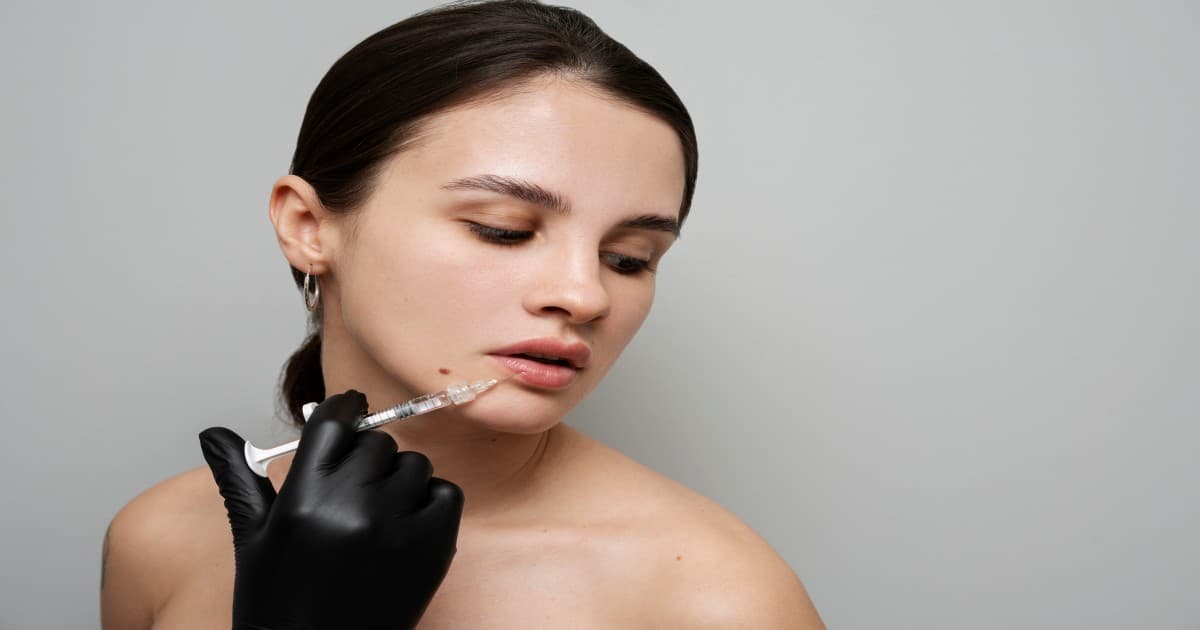
What Is the Role of Professional Treatments in Repairing Sun Damage?
While at-home care builds consistency, professional treatments can speed up visible improvement, especially for stubborn pigmentatmore serious more serious damage.
In Dubai, popular modern treatments include:
- Hydrating facials that deeply cleanse and restore moisture lost through sun and air conditioning
- Chemical peels to improve texture, fade pigmentation, and encourage cell turnover
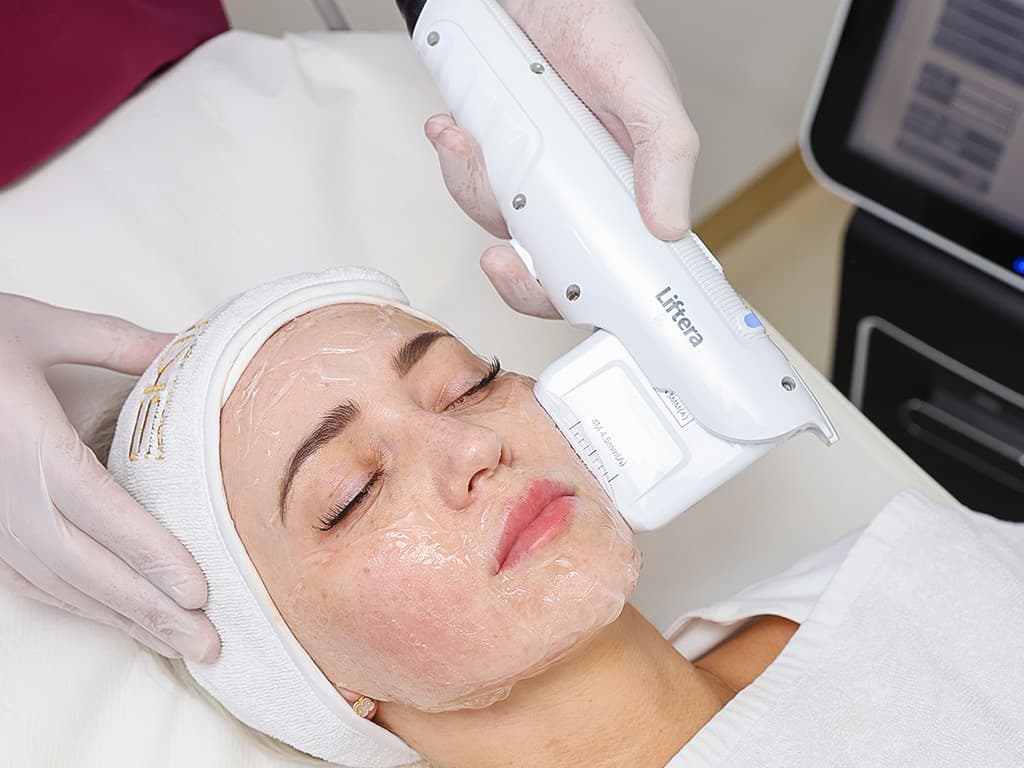
- Laser treatments targeting sunspots, uneven tone, and long-term UV damage
- Advanced skin rejuvenation therapies that stimulate collagen and strengthen the skin barrier
These treatments work best when paired with a disciplined home routine, ensuring long-lasting results rather than short-term fixes.
What Common Mistakes Can Slow Down Skin Repair?
Avoiding these pitfalls is just as important as following the right steps:
- Over-cleansing, which triggers excess oil production
- Skipping sunscreen on cloudy or hazy days
- Using heavy creamsis unsuitable for humidity
- Over-exfoliating, leading to irritation and sensitivity
Correcting these habits helps the skin heal faster and maintain resilience.
Building a Long-Term Repair Strategy
Repairing sun-damaged skin in Dubai is about consistency, climate awareness, and informed choices. A routine that prioritises hydration, protection, and repair, supported by expert-led treatments, can visibly improve tone, texture, and overall skin health.
For those looking for professional care tailored to Dubai’s environment, SKIN111 offers expertise-driven solutions that complement a strong at-home routine, helping your skin recover and thrive in the sun year-round.