
Many people mistakenly use HIV and AIDS interchangeably, although they represent two different aspects of the same medical condition. HIV (Human Immunodeficiency Virus) is the virus that infects and damages the immune system, while AIDS (Acquired Immunodeficiency Syndrome) is the advanced stage of HIV infection. Understanding the difference between HIV vs AIDS is essential for early HIV testing, accurate diagnosis, timely treatment, and prevention of complications. This awareness encourages individuals to seek HIV screening, STD testing, and preventive healthcare evaluations at an early stage.
Preventive screenings, routine STD testing, and risk assessments play an important role in detecting HIV infection early and preventing long-term complications associated with untreated HIV.
At Skin111, our physicians provide confidential HIV screening, STD testing, and preventive medical evaluations in accordance with strict DHA clinical standards and safety protocols. Our medical team ensures accurate diagnosis, early detection, and professional medical guidance to support long-term health and wellness.
What Is HIV?
HIV (Human Immunodeficiency Virus) is a virus that attacks and weakens the body's immune system, particularly the cells responsible for defending the body against infections and diseases. The immune system normally protects the body from bacteria, viruses, and other pathogens. However, HIV gradually damages the immune defence system, making the body more vulnerable to infections.
HIV primarily targets CD4 T lymphocytes (CD4 cells), which are essential immune cells responsible for coordinating the body's defense against infections. As HIV progressively destroys these cells, the immune system becomes weaker and less capable of fighting infections.
HIV progresses through various clinical stages:
- Acute infection:
Acute HIV infection occurs 2–4 weeks after exposure to the virus, when HIV rapidly multiplies in the body. During this stage, viral load levels are extremely high, making the individual highly contagious and capable of transmitting HIV to others. Flu-like symptoms, fever, sore throat, swollen lymph nodes, muscle pain, and skin rashes are examples of symptoms that may occur in the acute infection period. These symptoms are often mistaken for flu or viral infections, which is why early HIV testing is essential.
- Chronic HIV infection:
During chronic HIV infection, the virus remains active but reproduces at a slower rate. Many individuals may not experience noticeable symptoms for several years, even though HIV continues to damage the immune system. Many individuals remain asymptomatic, or symptoms may be so mild that they are often mistaken for minor viral illnesses such as a common cold or flu.
- Advanced HIV (AIDS):
AIDS (Acquired Immunodeficiency Syndrome) is the advanced stage of HIV infection, occurring when the immune system becomes severely damaged. AIDS is typically diagnosed when a person's CD4 cell count falls below 200 cells/mm³ or when certain opportunistic infections develop.
Examples of opportunistic infections include fatal diseases such as tuberculosis, pneumocystis pneumonia, severe fungal infections, certain cancers such as Kaposi sarcoma. Early HIV treatment with antiretroviral therapy (ART) can prevent progression to AIDS.
What Is AIDS?
AIDS (Acquired Immunodeficiency Syndrome) is the advanced stage of HIV infection, occurring when the immune system becomes severely weakened due to long-term HIV damage.
AIDS is not a sudden development; rather, it develops when the immune system has been severely and tragically compromised by HIV. Physicians diagnose AIDS when a person's CD4 T-cell count falls below 200 cells/mm³ or when certain opportunistic infections or HIV-related conditions develop. AIDS may also be diagnosed when individuals develop opportunistic infections such as tuberculosis, Pneumocystis pneumonia, or certain fungal infections, which occur when the immune system becomes severely jeopardized.
In individuals with a healthy immune system, these infections are typically controlled effectively by the body's immune defenses. However, in individuals with advanced HIV infection, these infections can become serious, persistent, and potentially life-threatening.
AIDS signifies severe immunosuppression. With early HIV diagnosis and prompt intervention with antiretroviral therapy (ART), many individuals can prevent progression to AIDS and maintain a healthy immune system.
HIV vs AIDS: What’s the Difference?
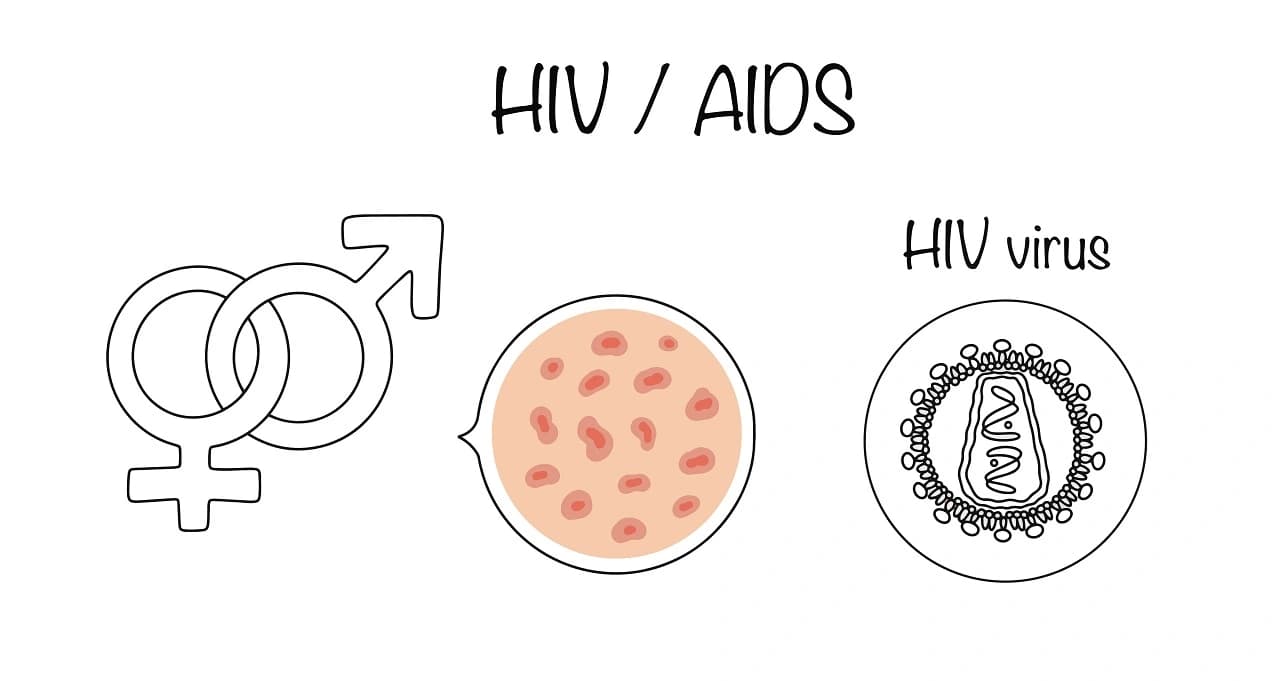
The key difference in HIV vs AIDS is that HIV is the virus that attacks the immune system, while AIDS is the most advanced stage of HIV infection when the immune system becomes severely damaged.
Some other major differences between the two include:
- HIV is the virus that causes the infection.
- AIDS is the condition that develops if HIV goes un-noticed and being untreated.
- A person can test HIV positive and live for many years without developing AIDS, particularly if treatment begins
early. - AIDS only develops in individuals who are infected with HIV.
With modern HIV treatment and regular medical monitoring, most individuals living with HIV never progress to AIDS. Early HIV testing, diagnosis, and treatment significantly improve long-term health outcomes and help prevent immune system damage.
Understanding the difference between HIV vs AIDS helps reduce stigma and encourages individuals to seek HIV testing and medical care.
What Causes HIV and AIDS?
HIV infection occurs when the virus enters the bloodstream. HIV transmission occurs through direct exposure to certain bodily fluids from an infected individual.
- Blood
- Semen
- Vaginal discharges
- Rectal fluids
- Breast milk
AIDS develops when an untreated HIV infection severely damages the immune system over time.
Symptoms of HIV vs AIDS
HIV symptoms and AIDS symptoms differ depending on the stage of infection and the level of immune system damage.
Early Symptoms of HIV
Individuals who are experiencing symptoms in the early stages of HIV infection typically experience flu-like symptoms in the acute infection stage.
- Fever
- Fatigue
- Swollen lymph nodes
- Sore throat
- Muscle aches
- Skin rashes
Stage of Chronic HIV
During chronic HIV infection, many individuals may not experience noticeable symptoms for several years. However, the virus continues to weaken the immune system gradually over time. Without routine HIV testing, many individuals may remain unaware that they are living with HIV.
Symptoms of AIDS
As the disease progresses to AIDS, symptoms of the disease become increasingly severe and have already made the host vulnerable.
- Severe unexplained weight loss
- Ongoing fevers
- Nightly sweating
- Chronic Diarrhea
- Severe Fatigue
- Recurring infections
- Persistent cough
- Oral / skin infections.
Early HIV diagnosis and medical care significantly reduce the risk of complications and improve long-term health outcomes.
How Does HIV Spread?
HIV transmission occurs when infected bodily fluids enter another person's bloodstream or mucous membranes.
- Unprotected sexual contact
- Sharing contaminated needles or syringes
- Blood transfusion with blood from an infected donor (rare in countries with strict blood screening)
- From an infected mother to her child during pregnancy, childbirth, or breastfeeding
HIV does not spread via any of the circumstances below.
- Casual contact
- Shaking hands
- Sharing meals
- Mosquito bites
- Coughing/Sneezing
Public education about HIV regarding their risk for developing HIV/AIDS, counseling them to make informed decisions, and practicing safe procedures to prevent the transmission of the disease.
How Is HIV Diagnosed?
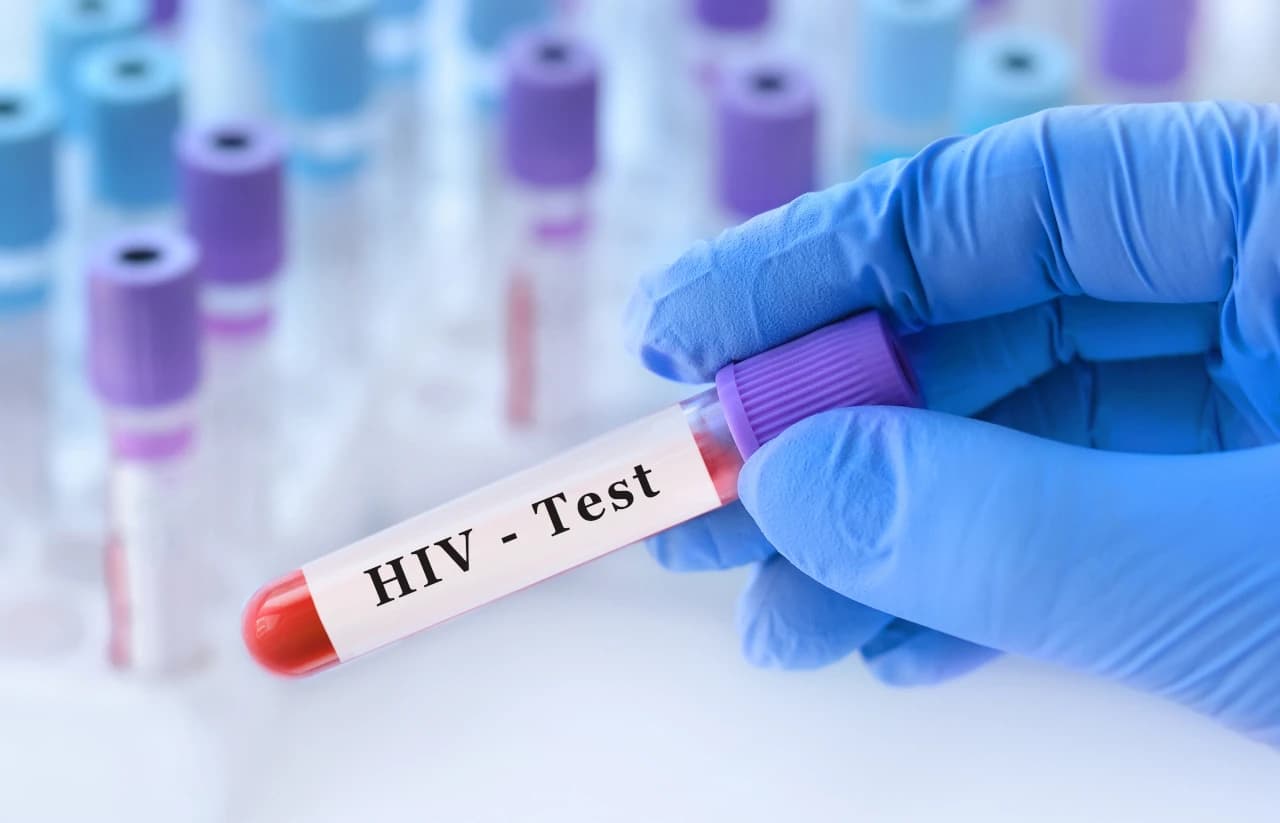
HIV is diagnosed through laboratory testing
Modern HIV tests have different approaches to transmission, which helps reduce stigma and encourages preventive health behaviors.
- HIV antibodies
- HIV antigens (p24 antigen)
- HIV genetic material through nucleic acid testing (NAT)
Early HIV testing is essential for early diagnosis and treatment. Many individuals do not experience symptoms during the early stages of HIV infection, which is why testing is important.
Skin111 physicians evaluate each patient for individualized risk factors and recommend testing if indicated.
We execute our tests only at accredited, certifies and standard state of the art laboratory facilities for precision diagnostics. Additionally, we follow strict hygiene protocols for sampling and sample handling, and our services are provided in a discreet to ensure patient safety.
Regular testing enables us to monitor the individual's immune system and provide medical interventions to prevent any possible health hazards.
Treatment for HIV and AIDS
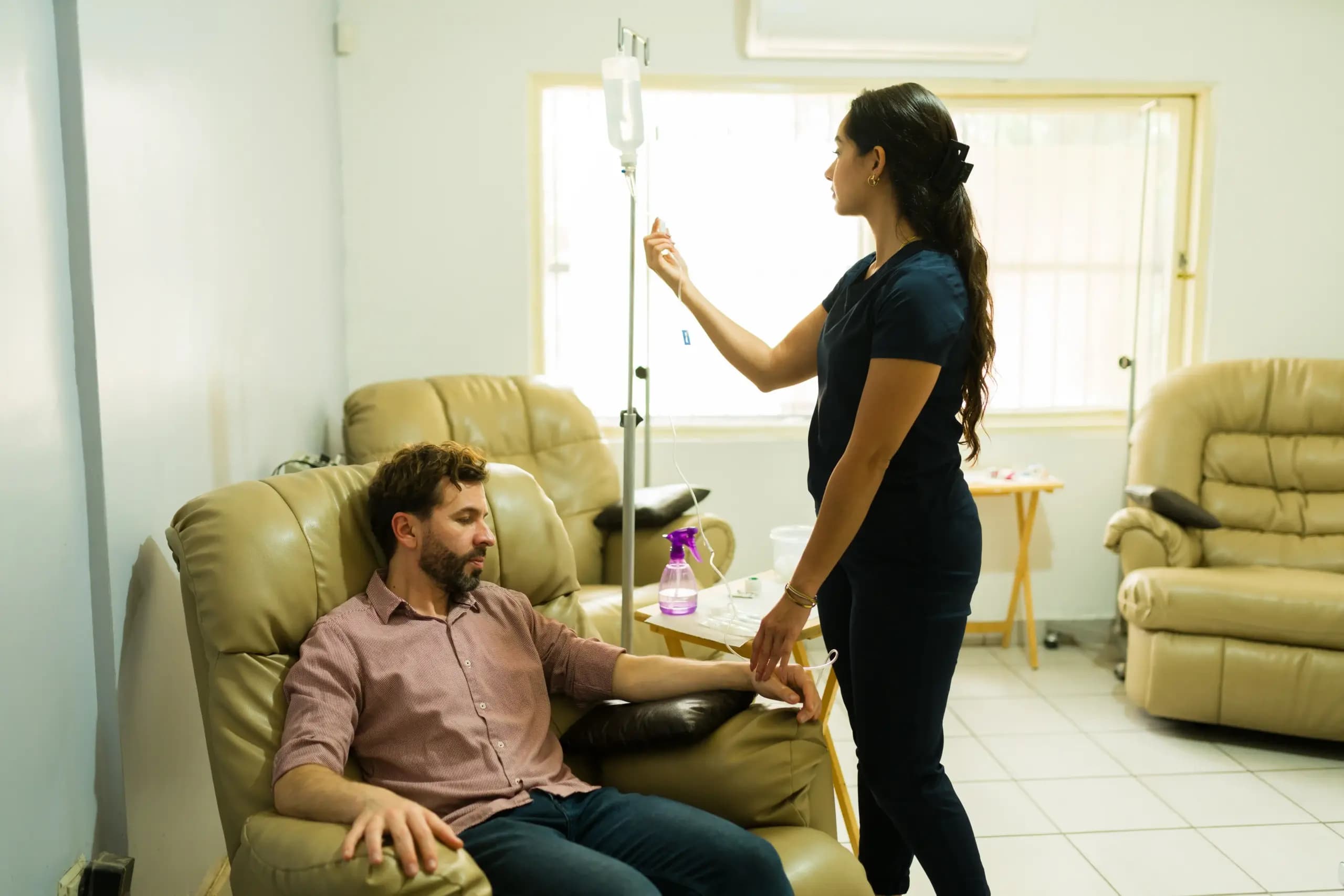
Antiretroviral therapy (ART) is the standard medical treatment used to manage HIV infection.
ART functions by:
- Reducing viral load
- Protecting immune function
- Increasing CD4 cell counts
- Preventing the progression to AIDS
Although ART does not cure HIV, it enables individuals to lead normal and stable lives. Many individuals with HIV achieve an undetectable viral load, thereby minimizing the risk of transmitting HIV to others.
How to Prevent HIV
Risk reduction measures decrease the likelihood of transmission of HIV. Examples of ways to mitigate such risks include:
- Utilizing condom(s) during sex
- Avoiding the sharing of needles
- Regular STD and HIV testing
- Ensuring safe blood transfusions and implementing blood screenings
- Medical supervision during pregnancy for HIV-positive mothers
Early HIV testing and diagnosis play an important role in preventing further risk of infection.Those who are aware of their status can initiate medical treatment promptly, thus lowering their risk of transmitting HIV to others.
Education, responsible behavior, and regular screening protect both the individual and society.
Conclusion
HIV and AIDS are closely related but medically distinct conditions. HIV is the virus that attacks the immune system, while AIDS represents the most advanced stage of untreated HIV infection. Early HIV testing, identifying the possible health risks, prompt interventions and treatment advice, adherence to antiretroviral therapy, and regular medical monitoring help individuals maintain a strong immune system and long-term health stability.