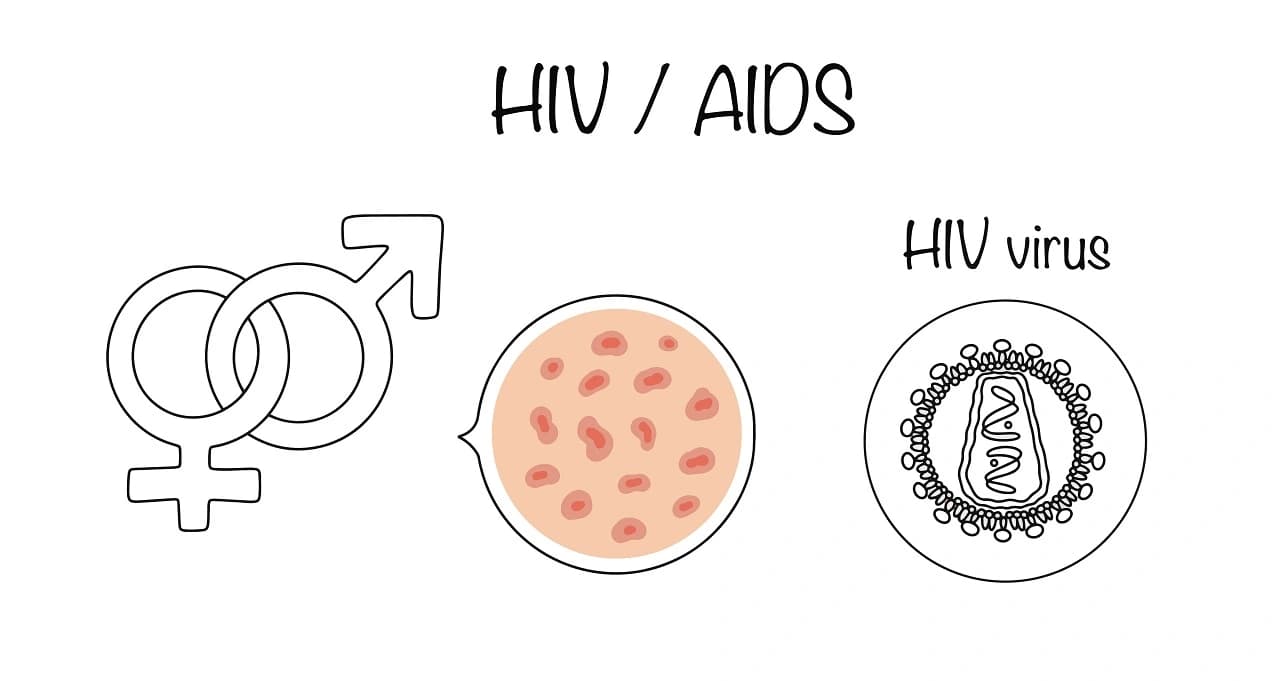
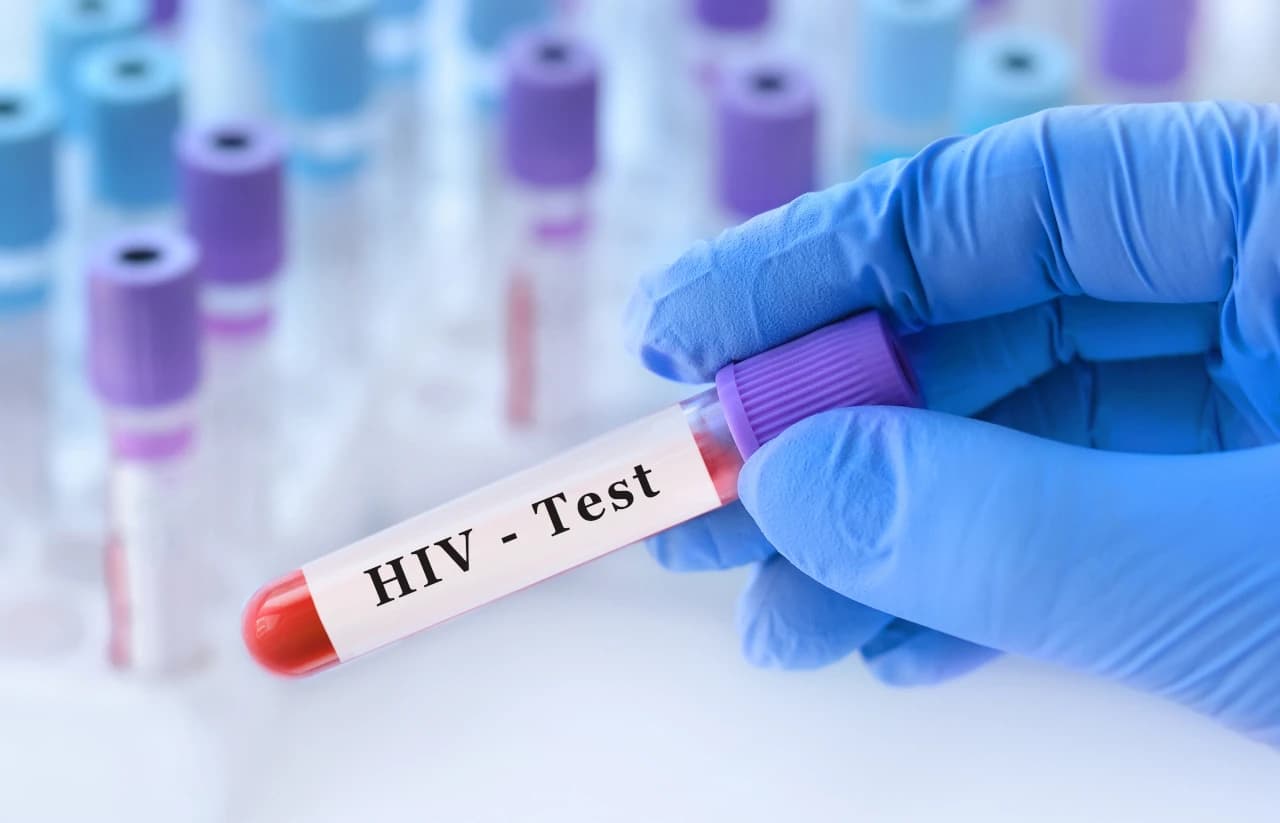
The human immunodeficiency virus (HIV) belongs to the family of viruses, Retroviridae that causes the Acquired Immunodeficiency Syndrome (AIDS). The virus infects protective cells of the immune system, destroying or impairing their function. As the infection progresses, the immune system becomes progressively weak and the individual becomes more susceptible to life threatening opportunistic infections. The most advanced stage of HIV infection is acquired immunodeficiency syndrome (AIDS). An HIV Test at an early stage makes a big difference. Awareness of the first HIV symptoms allows people to understand that they need to take a step, get tested and look after themselves before it is too late.
What is HIV and how does it affect the body?
The first thing the HIV virus does, when it enters your blood, is to go after your CD4 cells, white blood cells that keep your immune system strong. The virus hijacks your WBCs to produce additional copies of itself, which is why it proliferates. This wears your own cells out and they become weak. Your immune system no longer works the way it is supposed to. Infections that were once easy to treat take much longer to recover, and become a recurring problem.
If you don’t follow the right treatment, your body ultimately gets to a stage where the immune system is so impoverished that it can’t fight off the most common types of infections. It is the point at which HIV has advanced to AIDS.
In the early years of the AIDS epidemic, the virus spread rapidly and had devastating effects worldwide. Since then, significant medical advances have transformed its management. Today, with timely testing and effective antiretroviral therapy, most people with HIV can live long, healthy, and active lives.
What Is Usually the First Sign of HIV?
There really isn’t one single symptom that signals you have HIV. Normally, the early symptoms of HIV come a few weeks after exposure and are indistinguishable from the ordinary flu. Mild fever, sore throat, fatigue or swollen glands, and sometimes a little rash. This is your body’s battle with the virus. These symptoms go away very quickly. People rarely pay attention to these rather normal symptoms as the only way to know for sure is through an HIV test.
Early HIV Symptoms That Show Up in the First Few Weeks
This is a time of very early HIV infection or seroconversion. This is when the immune system is throwing everything it has against the virus. Some of the most common early stage HIV symptoms include:
- Fever or chills
- Fatigue and body weakness
- Swollen lymph nodes in neck, armpits or groin
- Headache or muscle pain
- Rash on the body or face
- Sore throat or painful swallowing
- Mouth ulcers
- Nausea, vomiting, or diarrhea
- Night sweats
Symptoms can present either individually or all at once. They may disappear after a few days or sometimes last up to several weeks. Some people experience them slightly; others, a little more. The virus bubbles away inside the body, doing its ruinous work even when outward appearances suggest otherwise. That’s why getting tested after a possible exposure is the most crucial thing you can do.
How Long After Exposure Do HIV Symptoms Appear?
Most people with HIV symptoms will experience them within 2-4 weeks of exposure to the virus. But this time can vary a lot depending on the immune system of the affected individual. For some people it takes about a week for symptoms to show. For others, it takes more time than that. There are also many who remain asymptomatic.
When to get tested. also depends on the type of test:
- An antigen/antibody test will be able to detect the presence of HIV in someone’s system 18-45 days after exposure.
- The accurate window period of a rapid oral or finger-prick test can take weeks to months.
- The virus is detectable very early on through a blood test called nucleic acid test (NAT). However, it is not used on a wide basis.
Signs and Symptoms of HIV in Later Stages
HIV, when left untreated, will erode the immune system. Eventually, the person will develop health problems, not just more often but also more severe ones. Classic symptoms and signs of HIV during this time may include:
- Ongoing fever or night sweats
- Noticeable weight loss
- Constant tiredness or weakness
- Recurrences such as oral thrush and pneumonia
- Long-lasting diarrhea
- Recurrent shingles or skin rashes
- persistent swollen lymph nodes
- Difficulty breathing, shortness of breath or persistent coughing
At this point, the body is susceptible to infections it used to fend off easily. Consistently taking HIV treatment normally prevents a viral load from ever reaching that level.
Why It’s Important to Get Tested for HIV Early
Get tested as early as you can. Knowing soon helps you get the right care and keeps you and others safe. There are a few simple reasons why getting a test during early stage HIV symptoms may benefit you:
- Start treatment sooner : You'll want to start with medications like antiretrovirals as soon as you test positive and preferably within weeks. This can stabilize your immune system and keep virus levels low in the body.
- Live healthier for longer : People who agree to the treatment and start on a drug therapy very early almost never suffer serious health concerns later in life. They are able to maintain constant energy levels thereby leading fully functional lives.
- Don't pass on the virus : The duration during which the virus is so well suppressed with antiretrovirals that tests no longer can detect it, is also the time when the affected person cannot transmit the virus through intercourse.
- Feel less anxious : Having the answer gives you confidence and stops the dichotomy in your mind. If you test negative, you and your doctor can consider protection options like PrEP.
When to See a Doctor
You should be tested for HIV and see a health care provider if:
- You have had unprotected sex or shared needles with someone whose HIV status you do not know.
- A condom broke during sex.
- Several weeks after exposure, you got flu-like symptoms or felt feverish, nauseous or came down with a rash.
- You keep getting infections, you feel tired all the time and you’re losing weight for no good reason.
- You’re in a relationship and want to be sure that you’re not taking chances.
If the exposure occurred within 72 hours, discuss post-exposure prophylaxis (PEP) with a doctor. That brief course of drugs may stave off infection if it’s taken promptly. Time is of utmost importance here.
Conclusion
It’s tricky to tell what the early signs of HIV are. At first, it just feels like you caught a flu. A bit of fever, maybe some body ache, a few tired days that blend together. Nothing unusual. You think rest will fix it. Then it lingers. That’s when the doubt creeps in.
If you believe that you might have been exposed to HIV, or if you are experiencing any of the signs and symptoms of HIV, don’t wait to get tested. There is a lot of fear involved when it comes to HIV. Going to the doctor at the earliest, allays your fears and puts you back in control of and in confidence with your body.
Testing at Skin111 is quick, easy and confidential. Professionals will guide you through the process, your questions will be answered and an appropriate time to get tested will be decided upon. You can make your own future healthy and secure by making an appointment today.