
Travel Smarter. Recover Faster. Feel You’re Best with SKIN111 Medical & Aesthetics Clinic.
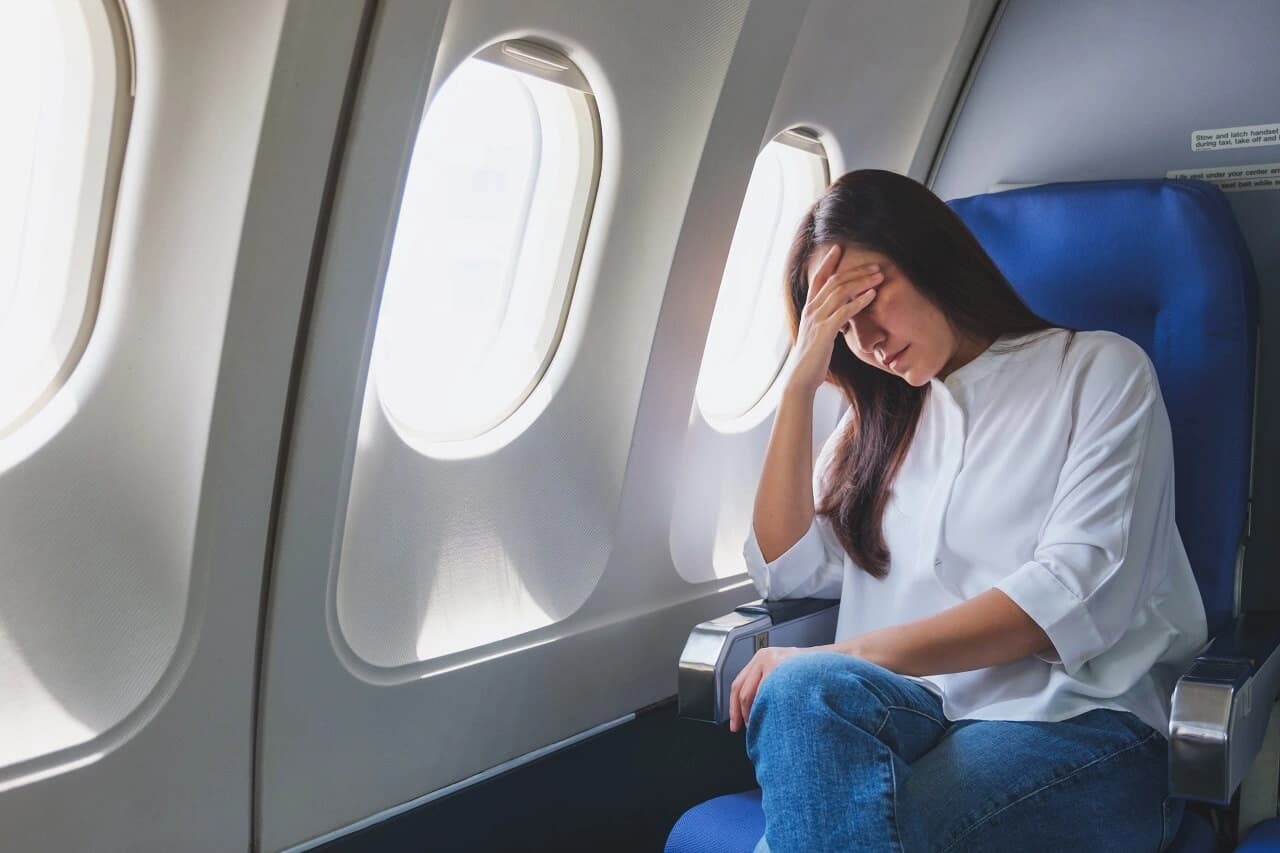
You finally arrive at your destination after a long flight. The excitement of your trip begins—but your body hasother plans. You’re awake at 3 am, exhausted during the day, struggling to concentrate in meetings, and wonderingwhy you still feel tired despite sleeping for hours.
Sound familiar?
Jet lag affects millions of travellers every year. Whether you’re flying for business, returning from a holiday, ortravelling frequently between continents, crossing multiple time zones can temporarily disrupt your body’s naturalrhythm, leaving you physically and mentally drained.
The good news is that while jet lag cannot always be avoided, understanding what happens inside your body and takingthe right recovery steps can help you feel better sooner.
What Is Jet Lag?
Jet lag is a temporary condition that occurs when your body’s circadian rhythm, your internal biological clock, fallsout of sync with the local time after travelling across several time zones.
Your circadian rhythm regulates many essential body functions.
- Sleep and wake cycles
- Hormone production
- Body temperature
- Digestion
- Mental alertness
- Energy levels
When you travel rapidly between countries, your body needs time to adapt to the new day-night cycle. Until it does,you may experience a range of physical and mental symptoms commonly known as jet lag.
What Causes Jet Lag?
Contrary to popular belief, jet lag is not simply caused by lack of sleep.
Several factors contribute to how you feel after a long flight.
- Crossing multiple time zones
- Disruption of your circadian rhythm
- Sleep deprivation before or during travel
- Cabin dehydration due to low humidity
- Reduced physical activity during flights
- Changes in meal timing
- Physical and mental travel stress
Together, these changes place additional demands on your body, making recovery more challenging.
Common Symptoms of Jet Lag
Jet lag affects everyone differently, but common symptoms are as follows.
- Daytime fatigue
- Difficulty sleeping at night
- Early morning waking
- Brain fog
- Poor concentration
- Reduced productivity
- Mood changes
- Headaches
- Digestive discomfort
- Reduced physical performance
Most symptoms improve as your body gradually adapts to the new time zone.
Book NowHow Long Does Jet Lag Last?
Recovery depends on several factors, including the number of time zones crossed, your age, sleep quality, overallhealth, and travel habits.
As a general guide
- 1–3 time zones: 1–2 days
- 4–6 time zones: 3–5 days
- More than 6 time zones: Up to one week
Frequent travellers may adapt more quickly, while others require additional time to recover.
How to Recover From Jet Lag Faster
Stay Hydrated
Cabin air has very low humidity, increasing fluid loss during long flights. Maintaining adequate hydration before,during and after travel may help reduce headaches, fatigue and general discomfort. This is where IV drips can be animmense support to recover faster and better.
Prioritise Quality Sleep
Try to adjust your sleep schedule gradually before travel and follow the local bedtime after arriving at yourdestination. Consistent sleep habits help your circadian rhythm adapt more efficiently.
Get Natural Sunlight
Exposure to daylight is one of the most effective ways to reset your internal body clock. Morning sunlight isparticularly beneficial when travelling east.
Keep Moving
Gentle walking and stretching after a flight help improve circulation, reduce stiffness and support overall recovery.
Eat According to Local Time
Aligning your meals with your destination’s schedule can help your digestive system and biological clock adjust morequickly.
Can IV Therapy Help After Long-Haul Travel?
After a comprehensive medical assessment, physician-supervised IV therapy is considered the best option forrehydrationand nutritional support as part of their recovery.
Depending on your clinical assessment, treatment may include carefully selected fluids, electrolytes, vitamins orothernutrients tailored to your individual needs.
At SKIN111 Medical & Aesthetics Clinic, every IV therapy recommendation is personalised, while we have a jet lag IVdripdesigned by IV specialists to meet the primary jet lag recovery objectives. However, our physicians first assessyoursymptoms, travel history, hydration status and medical background before determining the treatment that isappropriateand can provide the best outcomes medically as expected.
We also provides IV therapy at home, office, or at your hotel for your convenience. Simply call us to book yoursession,and our expert specialists will reach out to you shortly and arrange your treatment at your preferred location.
When Should You Seek Medical Advice?
Jet lag is usually temporary.
However, persistent fatigue, severe dizziness, chest pain, shortness of breath, prolonged sleep disturbances orsymptomslasting beyond several days should be assessed by a healthcare professional to exclude other medical conditions.