
Clinic facials have moved well beyond a simple cleanse and mask. Three treatments people often compare are the HydraFacial, the carbon peel and the HydraCool facial. They can all leave skin feeling cleaner and fresher, but they work in quite different ways and suit different concerns. If you are deciding between them, or wondering whether a HydraFacial in Dubai is the right choice for you, this guide compares what each one does, which skin types they suit, what a session involves and how to plan them.
All three are clinic treatments, and results vary from person to person. A skin assessment before your first session helps make sure you choose the most suitable option.
What each facial does
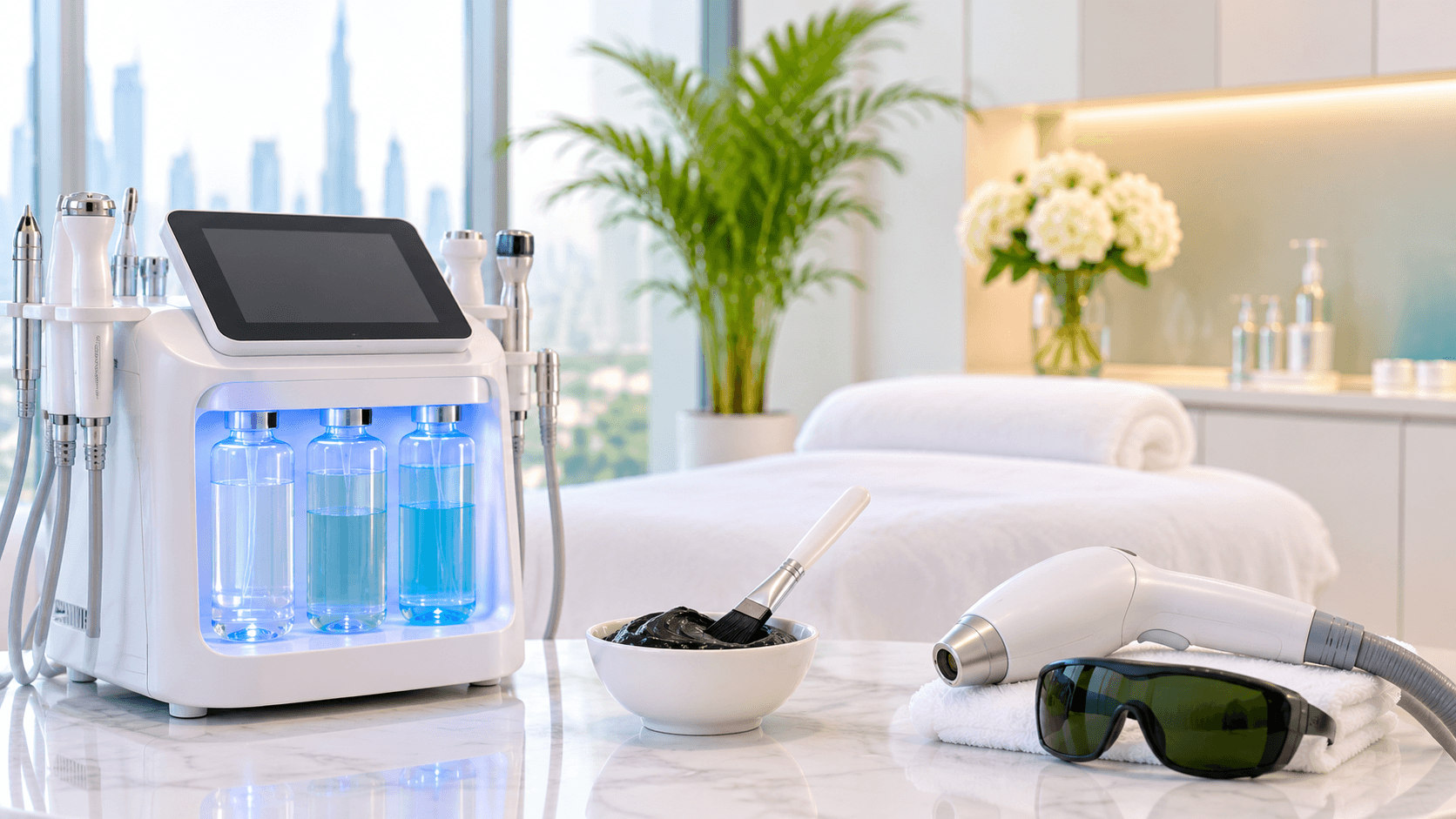
HydraFacial is a branded treatment that uses a dedicated device to cleanse, exfoliate, extract and hydrate in one session. A handpiece with a vortex-style tip removes surface dead skin and draws out debris from the pores, then infuses serums containing ingredients such as hyaluronic acid, antioxidants and peptides.
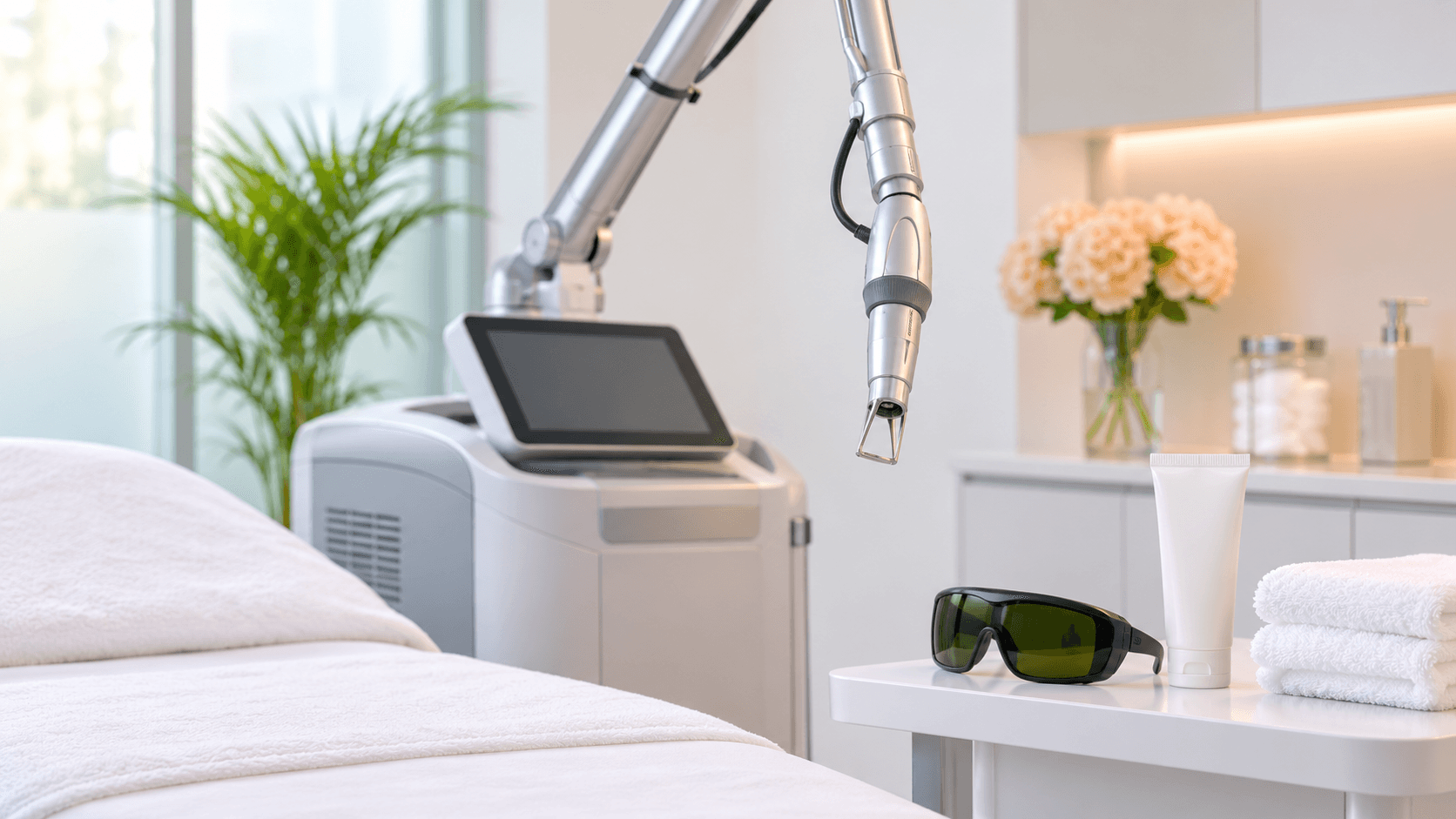
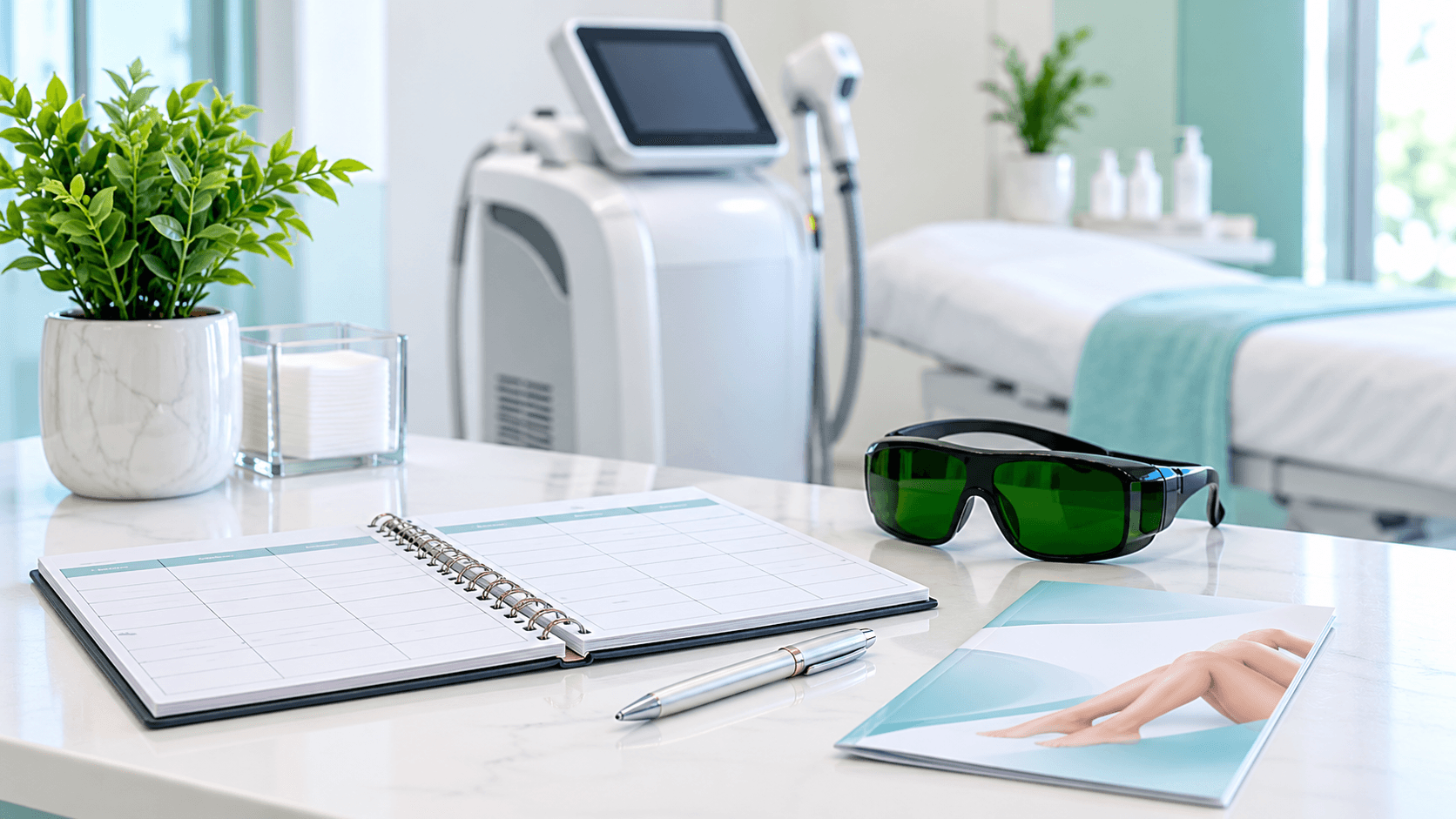
Carbon peel, sometimes called a laser carbon peel, is a laser-based treatment. A thin layer of carbon lotion is applied to the skin and allowed to settle into the pores. A laser, usually a Q-switched Nd:YAG laser, is then passed over the skin. The carbon absorbs the laser energy and is lifted away, taking surface oil and dead skin cells with it. The laser energy also gently heats the skin.
HydraCool is a hydro-dermabrasion style facial performed with a dedicated device. Like other treatments in this category, it typically combines exfoliation, suction to clear the pores and the infusion of serums, and some protocols include cooling or other add-on steps. The exact steps depend on the device and the clinic’s protocol, so ask what your session will involve.
Skin concerns each one targets
Each facial tends to suit slightly different needs.
| Concern | HydraFacial | Carbon peel | HydraCool |
|---|---|---|---|
| Dull, tired-looking skin | Often suitable | Can help | Often suitable |
| Dehydration | Well suited, due to the hydrating serums | Less focused on hydration | Well suited, due to serum infusion |
| Congested pores and blackheads | Often suitable, with suction extraction | Often suitable, especially for oily skin | Often suitable |
| Oily skin and enlarged-looking pores | Can help | Commonly chosen | Can help |
| Mild acne-prone skin | May help, depending on activity | May help some people | May help, depending on activity |
| Sensitive skin | Often tolerated, with adjustments | Needs assessment, as it involves laser | Often tolerated, with adjustments |
These are general patterns, not rules. Very inflamed or active acne, rosacea flares and other skin conditions may need medical treatment first.
If oily skin and visible pores are your main concern, a carbon peel treatment is often discussed. If dehydration and dullness are the priority, a hydrating facial such as HydraFacial or a HydraCool facial may suit you better.
What a session involves
HydraFacial session
- Skin assessment and choice of serums
- Cleansing and exfoliation with the handpiece
- A gentle acid solution to loosen debris
- Painless suction extraction
- Infusion of hydrating and antioxidant serums
- Optional add-ons, such as boosters or LED light
Most people describe it as a cool, gentle suction. A standard session often takes around 30 to 60 minutes.
Carbon peel session
- Skin assessment and cleansing
- Application of a thin carbon lotion, left to dry
- Protective eyewear for you and the practitioner
- Laser passes across the skin, lifting the carbon away
- Cleansing and a soothing moisturiser or sunscreen
Many people feel warmth and a light snapping or tingling sensation as the laser passes. Sessions are often relatively short.
HydraCool session
A HydraCool session typically includes cleansing, exfoliation, suction extraction and serum infusion, with any extra steps depending on the clinic’s protocol. Most people find hydro-dermabrasion facials comfortable.
Downtime and aftercare
All three usually involve little or no downtime, but there are some differences.
- HydraFacial and HydraCool. Mild redness may last a few hours. Most people return to normal activities straight away.
- Carbon peel. Mild redness or warmth is common for a short time. Because it involves a laser, sun protection afterwards is especially important, and some people may experience temporary sensitivity.
General aftercare for all three often includes:
- Keeping make-up light for the rest of the day
- Avoiding scrubs, acids and retinoids for a day or two, or as advised
- Avoiding saunas, steam rooms and intense exercise on the day of treatment
- Using a broad-spectrum sunscreen daily, which is essential in the UAE
Contact your clinic if you notice anything other than mild, short-lived redness.
These facials may need to be postponed if you have sunburn, an active skin infection or cold sore, a flare of a skin condition, or have recently taken isotretinoin. Tell your practitioner about any prescription skincare and whether you are pregnant. A carbon peel involves a laser, so your practitioner will also consider your skin type and any history of pigmentation.
How often to book
There is no single rule, but common patterns are:
- HydraFacial and HydraCool: many people book about once a month, or before events.
- Carbon peel: often booked as a short series of sessions spaced a few weeks apart, then occasionally for maintenance.
The right frequency depends on your skin, your goals, how your skin responds and any other treatments you are having. Your practitioner can suggest a schedule.
Combining facials
Some people alternate or combine these treatments as part of a wider skin plan. For example, a carbon peel may be used for oil control and pores, with a hydrating facial booked at another visit. Combining treatments in the same session, or too close together, can irritate the skin, so timing matters. Your practitioner can plan a sequence that suits your skin.
The best choice depends on your skin type and your main concern. If you would like to compare options, a skin assessment is the best starting point, and you can read more about HydraFacial treatment on Skin111’s HydraFacial page.
FAQs
Which facial is best for oily skin? A carbon peel is often chosen for oily skin and enlarged-looking pores, but a hydrating facial can also help. Your practitioner will advise.
Does a carbon peel hurt? Most people feel warmth and a light snapping or tingling. It is usually well tolerated.
Is there downtime with any of these facials? Usually very little. Mild redness for a few hours is common.
Can I have a carbon peel on darker skin? Often yes, but because it uses a laser, your practitioner will assess your skin type and history of pigmentation first.
Can I combine HydraFacial and carbon peel? Some people alternate them. Your practitioner will advise on timing to avoid irritation.