
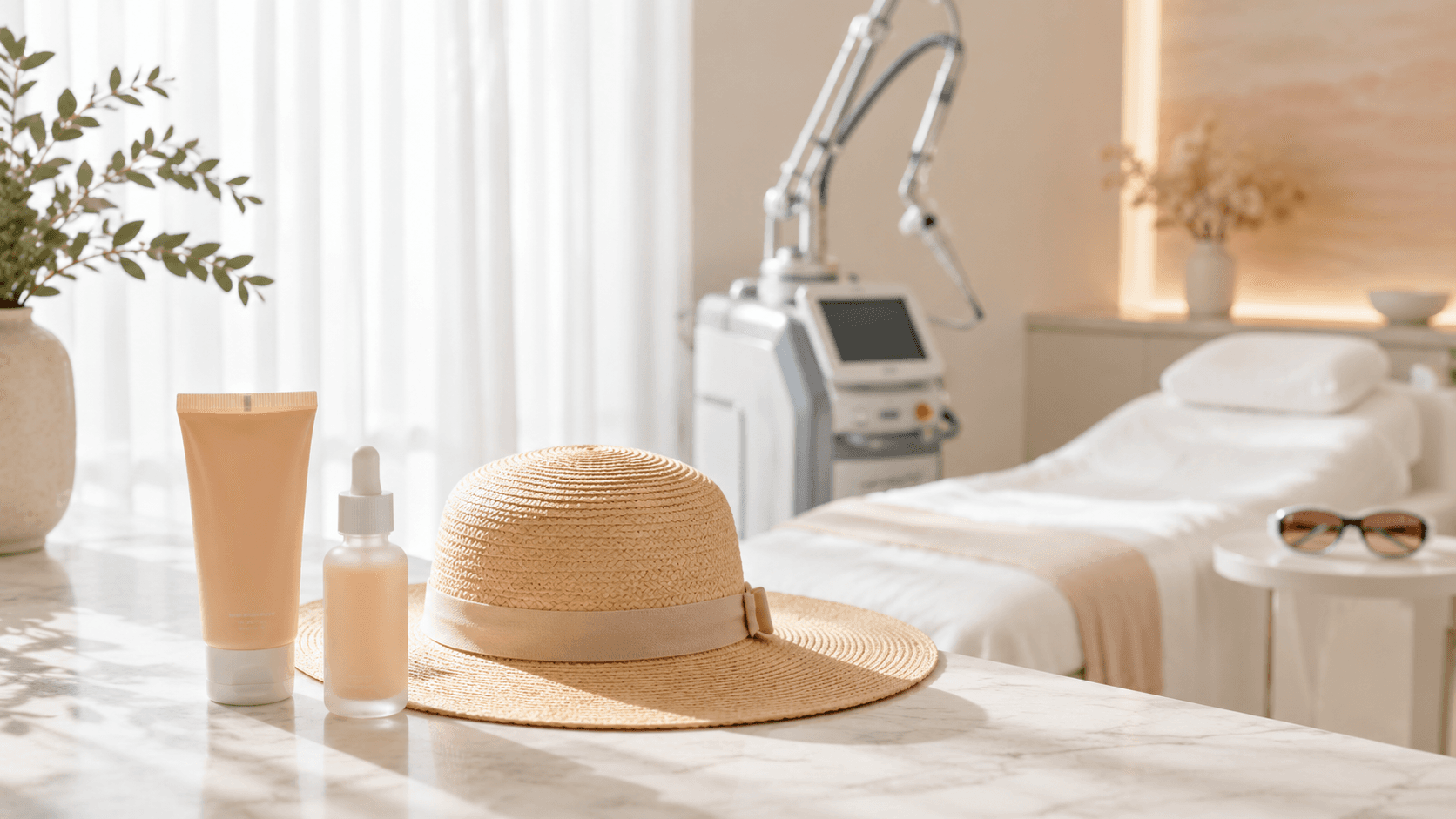
Melasma is one of the most common, and most frustrating, pigmentation concerns, especially in sunny climates like the UAE. It often returns after treatment, and some treatments can even make it worse. Picosecond lasers are frequently discussed as an option, but they are only one part of a careful, long-term plan. If you are researching melasma treatment in Dubai, this guide explains what melasma is, why topical treatment usually comes first, how picosecond lasers work, the difference between pico laser and PicoWay, and what to expect from sessions and maintenance.
Melasma is a chronic condition. It can be improved and managed, but it cannot be cured, and it can come back. A doctor should confirm the diagnosis before any treatment.
What melasma is and common triggers
Melasma appears as patches of brown or greyish-brown pigmentation, usually on the cheeks, forehead, upper lip, nose or chin. The patches are often symmetrical, appearing on both sides of the face.
It happens when pigment-producing cells in the skin become overactive. Common triggers and risk factors include:
- Sun exposure, including ultraviolet (UV) light
- Visible light, including strong daylight
- Heat, which can worsen melasma even without direct sun
- Hormones, such as during pregnancy, or with hormonal contraception or hormone therapy
- Genetics, as melasma often runs in families
- Skin type, as it is more common in medium to darker skin tones
- Irritating skin products, which can trigger inflammation
Melasma is much more common in women, but it also affects men. Because it can look similar to other pigmentation, such as sun spots or post-inflammatory marks, a correct diagnosis matters.
Topical treatments first
For most people, the first step in managing melasma is a combination of strict sun protection and topical treatment.
Sun and light protection is essential:
- A broad-spectrum sunscreen applied daily and reapplied regularly
- A tinted sunscreen containing iron oxides, which also helps protect against visible light
- Hats, shade and avoiding peak sun and heat where possible
Topical treatments may include:
- Prescription lightening creams, which a doctor supervises because of possible side effects with long-term use
- Combination creams prescribed by a doctor
- Azelaic acid
- Tranexamic acid, used topically, or sometimes by mouth on prescription
- Gentle supporting ingredients such as niacinamide and vitamin C
These treatments work gradually and need consistent use. Your doctor will plan how long to use each one and how to maintain results.
How picosecond lasers work
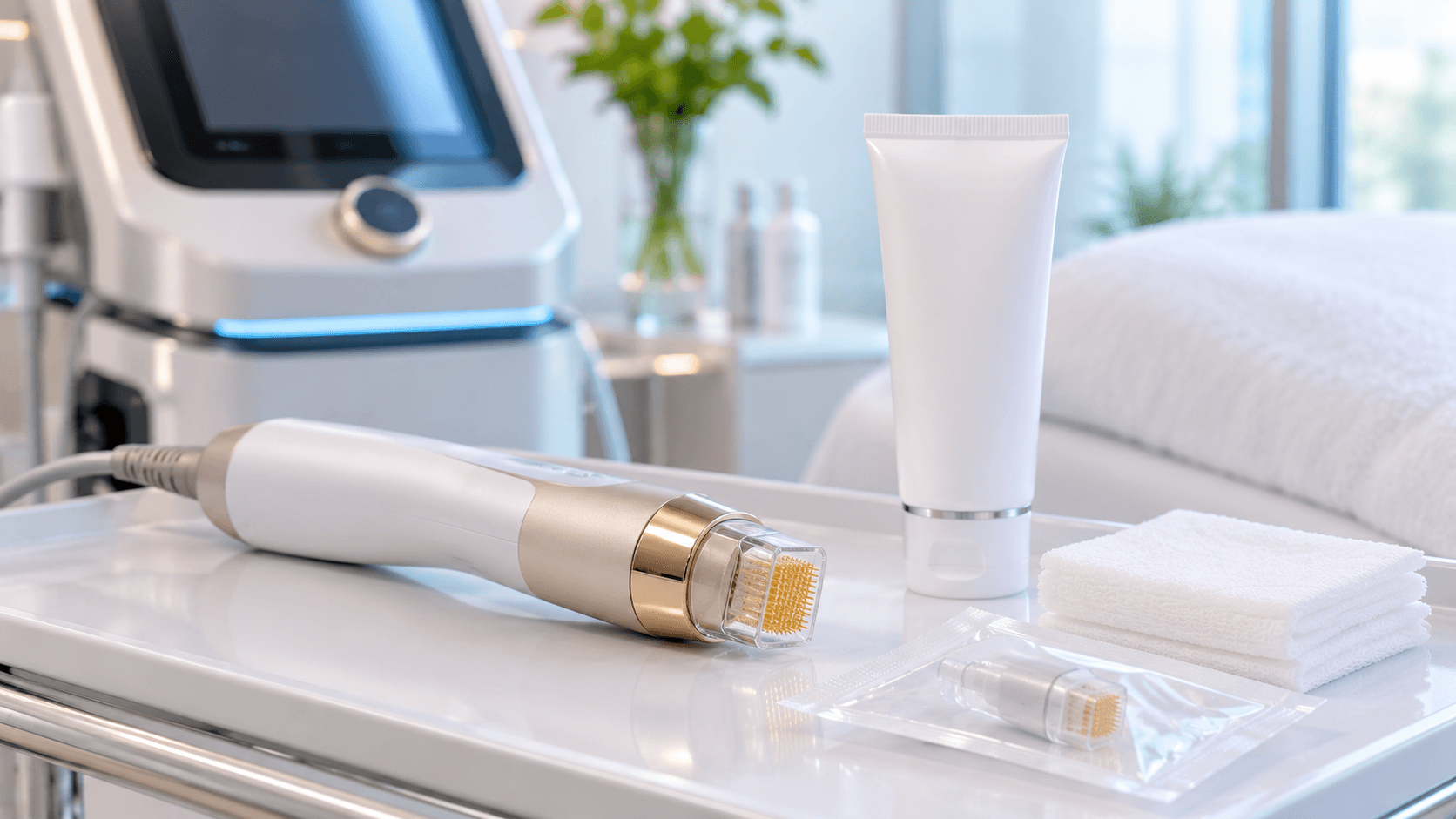
Picosecond lasers, often called pico lasers, deliver energy in extremely short pulses, measured in trillionths of a second. These short pulses create a pressure effect that breaks pigment into very small particles, which the body then clears.
Because the pulses are so short, picosecond lasers are designed to target pigment with less heat than older lasers. This is important for melasma, because heat and inflammation can make melasma worse.
For melasma, picosecond lasers are typically used at gentle, low-energy settings over a series of sessions, alongside topical treatment and sun protection. They are not a standalone cure.
A pico laser in Dubai may also be used for other concerns, such as sun spots, some deeper pigmentation, tattoo removal and skin texture, depending on the device and settings.
Pico laser vs PicoWay
“Pico laser” is a general term for the category of picosecond lasers. Several manufacturers make these devices, and they differ in their wavelengths, handpieces and settings.
PicoWay is one branded picosecond laser system. Like other pico lasers, it uses very short pulses to target pigment, with options for different wavelengths and treatment modes.
For most people, the specific brand matters less than:
- The practitioner’s experience with treating melasma
- Choosing gentle settings suited to your skin type
- Combining laser with topical treatment and sun protection
- A realistic plan for maintenance
If you are considering a PicoWay laser in Abu Dhabi or a pico laser in Dubai, ask which device will be used and why it suits your skin.
Sessions and maintenance
Melasma treatment with a picosecond laser is usually given as a course of sessions, spaced several weeks apart. The number of sessions depends on:
- How long you have had melasma and how deep the pigment is
- Your skin type
- Your response to treatment
- How consistently you use sun protection and topical treatment
After a session, mild redness or warmth is common for a short time. Treated areas may look slightly darker before improving. Aftercare usually includes gentle skincare, avoiding heat, saunas and intense exercise for the advised period, and strict sun protection.
Because melasma is chronic, many people need ongoing maintenance, with topical treatment and occasional sessions, to keep it under control.
Why melasma can return
Melasma often comes back, even after successful treatment. Common reasons include:
- Sun and visible light exposure, even brief or indoors near windows
- Heat, such as from cooking, saunas or hot climates
- Hormonal changes, such as pregnancy or starting hormonal contraception
- Stopping topical treatment too early
- Skin irritation from harsh products or treatments
This is why melasma management is long-term rather than a one-off fix. If melasma returns, it does not mean treatment failed. It reflects the nature of the condition.
The best approach is a plan built around your skin and lifestyle. If you are considering melasma treatment, start with a consultation where a doctor can confirm the diagnosis and recommend a safe, combined approach.
FAQs
Can melasma be cured? No. Melasma is a chronic condition that can be improved and managed, but it can return.
Is pico laser good for melasma? Picosecond lasers at gentle settings can be part of a melasma plan, usually alongside topical treatment and sun protection. They are not a standalone cure.
What is the difference between pico laser and PicoWay? “Pico laser” is the general category. PicoWay is one branded picosecond laser system.
How many sessions will I need? Usually a course of sessions spaced several weeks apart, followed by maintenance. Your doctor will suggest a plan.
Why does melasma come back? Sun, visible light, heat and hormones can all trigger it again, which is why ongoing protection and maintenance matter.
Can laser make melasma worse? It can, if settings are too strong or the skin becomes inflamed. That is why gentle settings and an experienced practitioner are important.