
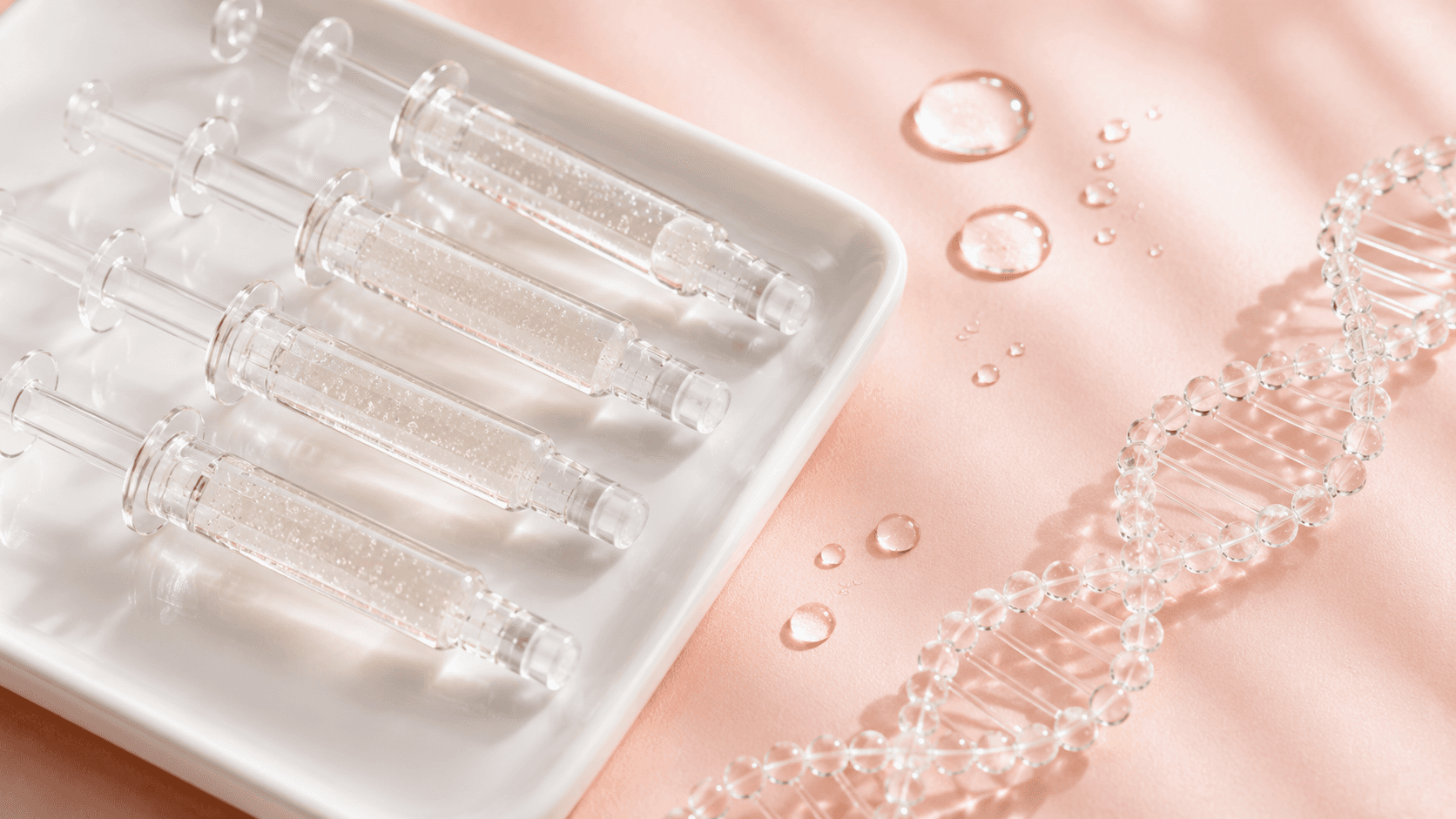
“Salmon DNA” is one of the more unusual names in aesthetic medicine, and it has become popular through brands such as Rejuran. Behind the name are ingredients called polynucleotides, which are injected into the skin with the aim of improving skin quality. If you are curious about a salmon DNA injection, this guide explains what polynucleotides are, how Rejuran compares with other products, which areas are treated, what a session involves, what the evidence shows so far, and the allergy and safety checks to expect.
Polynucleotide treatments are medical procedures. The evidence is still limited, and results vary between people. A licensed doctor should assess whether the treatment is suitable for you.
What polynucleotides (PN and PDRN) are
Polynucleotides are chains of building blocks called nucleotides, the same units that make up DNA. In aesthetic products, they are usually extracted and purified from fish, most often salmon or trout, which is where the “salmon DNA” name comes from.
Two terms are often used:
- PN (polynucleotides) usually refers to longer chains.
- PDRN (polydeoxyribonucleotide) usually refers to shorter fragments.
The idea behind these treatments is that the injected material may support the skin’s own repair processes and improve hydration and texture. It is important to be clear about what they do not do: they do not repair or change your own DNA, and they are not a regenerative cure for ageing.
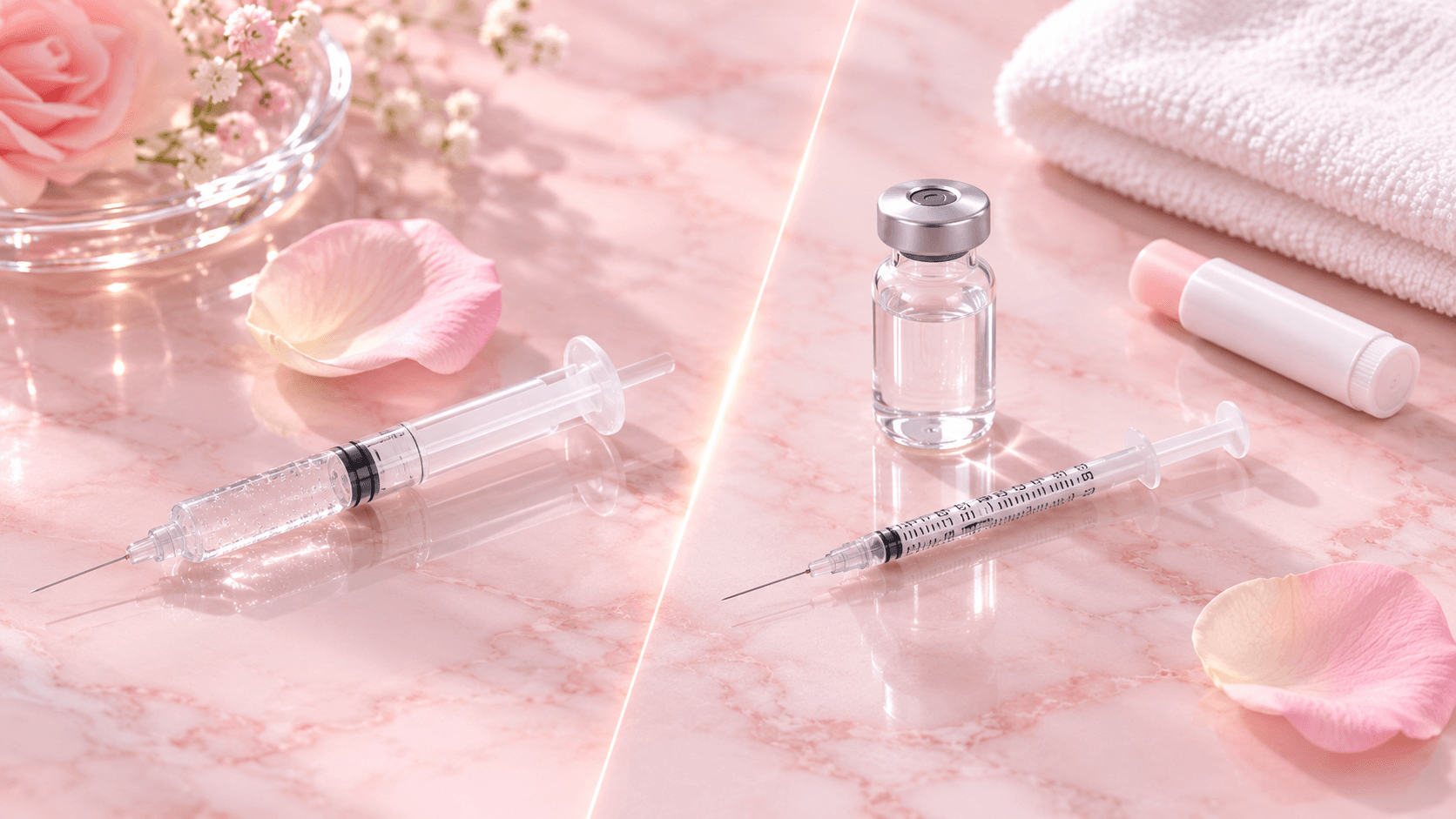
Polynucleotide injections are generally placed in small amounts across the skin, similar in technique to skin boosters.
Rejuran vs other PN products
Rejuran is one of the best-known brands of polynucleotide injections. The range includes different formulations designed for different concerns, such as general skin quality, the delicate under-eye area and scarring, according to the manufacturer.
Other brands of PN and PDRN products are also available. Products can differ in:
- The source and purification of the polynucleotides
- The length of the chains
- Whether other ingredients, such as hyaluronic acid, are included
- The recommended areas and protocols
This means results and protocols from one product cannot be assumed to apply to another. If you are considering Rejuran treatment or another PN product, ask your doctor which product will be used, why it suits your concern, and whether it is approved for use in the UAE.
Treatment areas
Polynucleotide injections are commonly used on:
- The face, for dull, dehydrated or uneven skin texture and fine lines
- The under-eye area, where specific formulations may be used for thin or crepey skin
- The neck and décolletage, for skin quality
- Acne scars, as part of a wider scar treatment plan
- The backs of the hands
They are not designed to add volume, lift sagging skin or replace fillers.
What a session involves
A typical appointment includes:
- Consultation. Your doctor reviews your medical history, allergies and skin, and confirms whether the treatment suits you.
- Allergy check. You will be asked specifically about fish or seafood allergies.
- Cleansing and numbing. The skin is disinfected, and numbing cream is usually applied, as the injections can be uncomfortable.
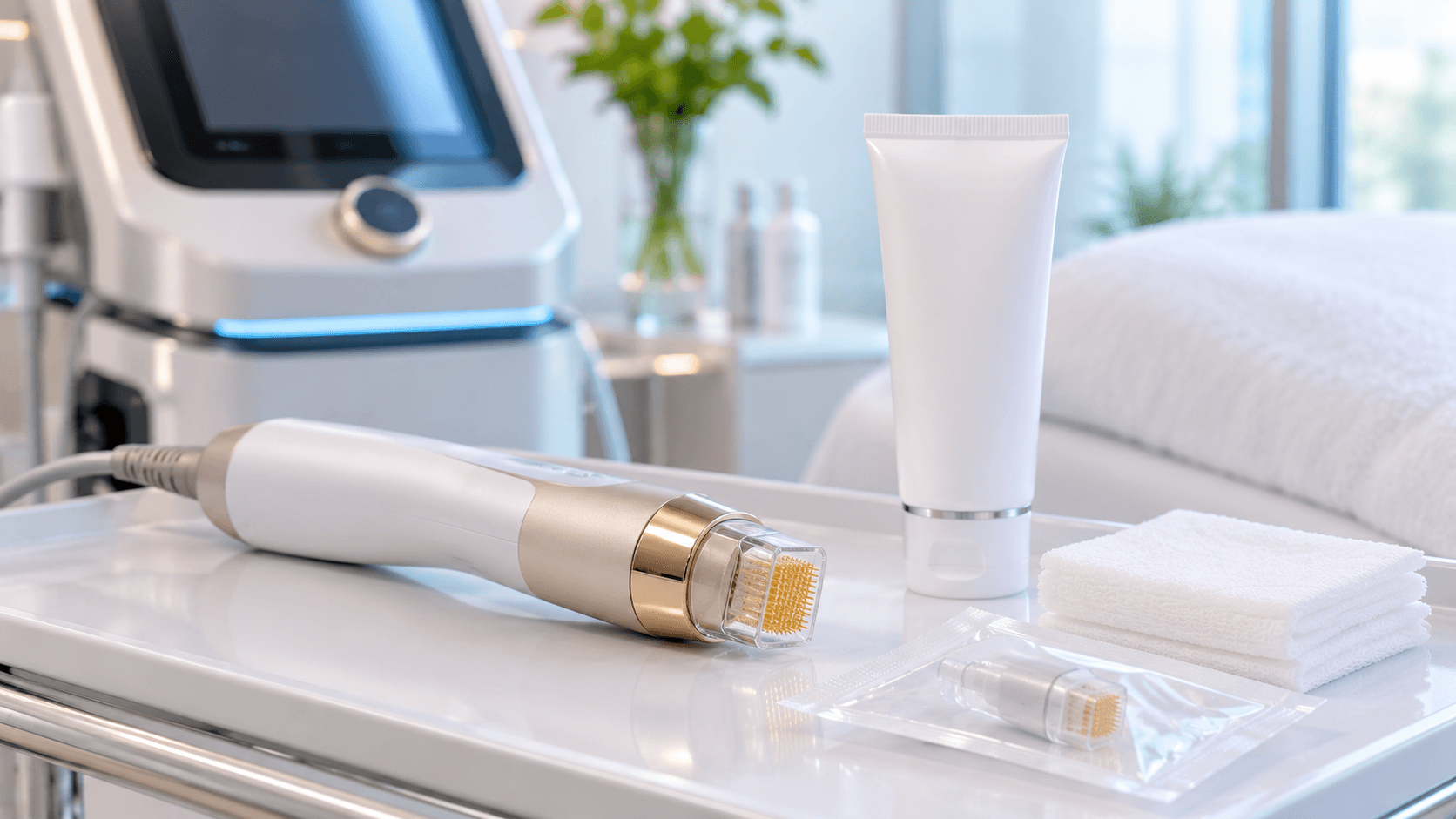
- Injections. The doctor places many small injections across the treatment area, or uses a cannula or injection device depending on the product and area.
- Finishing. The skin is cleaned and soothed.
Common short-term effects include small raised bumps at injection points, which usually settle within a day or two, as well as redness, mild swelling and bruising. The under-eye area may swell more noticeably.
Treatment is usually given as a course of sessions spaced a few weeks apart, followed by maintenance if you and your doctor decide it is worthwhile.
General aftercare often includes avoiding make-up for the rest of the day, not rubbing the area, avoiding heat, saunas and strenuous exercise for the advised period, and using sunscreen daily.
Evidence so far
Research on polynucleotides in aesthetic medicine is still developing:
- Some studies, mostly small, suggest improvements in skin texture, hydration or elasticity.
- Many studies are short, have few participants, or are funded by manufacturers.
- Products and protocols vary, which makes studies hard to compare.
- Long-term outcomes are not well established.
This means polynucleotide injections should be approached with realistic expectations. They may help some people improve skin quality, but no clinic can guarantee specific results.
Allergy and safety considerations
Because most polynucleotides are derived from fish, anyone with a fish or seafood allergy should tell their doctor, as the treatment may not be suitable. Screening for this allergy is an important part of the consultation.
Polynucleotide injections may also not be suitable, or need extra caution, if you:
- Are pregnant or breastfeeding
- Have an active skin infection, cold sore or inflamed acne in the area
- Have a bleeding disorder or take blood-thinning medicines
- Have certain autoimmune conditions
- Have had other injectables in the area recently
Less common risks include prolonged swelling, lumps, infection and allergic reactions. Contact your clinic if you notice increasing pain, spreading redness, warmth, or signs of an allergic reaction. Seek urgent help for swelling of the face or throat, or difficulty breathing.
If you are considering Rejuran in Dubai, start with a consultation where a doctor can review your allergies and skin and explain realistic expectations.
FAQs
Is salmon DNA injection made from real salmon? Most polynucleotide products are extracted and purified from fish, often salmon or trout, which is where the name comes from.
Does it repair my DNA? No. Polynucleotide injections do not repair or change your own DNA.
Can I have it if I am allergic to fish? Tell your doctor. The treatment may not be suitable for people with a fish or seafood allergy.
What is the difference between PN and PDRN? PN usually refers to longer polynucleotide chains, and PDRN to shorter fragments. Products and protocols differ.
How many sessions will I need? Usually a course of sessions a few weeks apart, followed by maintenance if worthwhile. Your doctor will suggest a plan.
Is there downtime? Small bumps, redness and possible bruising are common for a day or two. The under-eye area may swell more.