
If you have booked, or are thinking about booking, a HIFU facial, you probably have practical questions. How should you prepare? What will it feel like? What should you do afterwards, and when will you see a change? This guide answers those questions step by step, and explains how often people usually repeat treatment. If you are still deciding whether HIFU treatment in Dubai is right for you, it also covers what HIFU does and how devices differ.
HIFU is a medical treatment, and suitability and results vary from person to person. Always follow the specific advice of the practitioner treating you.
What a HIFU facial does
HIFU stands for high-intensity focused ultrasound. A HIFU device focuses ultrasound energy at precise depths beneath the skin, creating tiny points of heat while the surface stays largely unaffected. These points can be placed in the deeper skin and in the supportive tissue layer beneath it.
The heat triggers the body’s natural healing response, which includes building and remodelling collagen, the protein that helps skin feel firm. Because this is a gradual process, changes develop over the weeks and months after treatment, not immediately.
A HIFU facial is generally considered for adults with mild to moderate skin laxity on the face, jawline, under the chin or neck. It is not a replacement for surgery, and it is not usually suitable for significant sagging.
Ultraformer and other HIFU devices
HIFU is a technology used by many different devices, not a single machine. Devices vary in their handpieces, available depths, energy delivery and treatment protocols.
One example is Ultraformer MPT, a HIFU device that offers different handpieces for different depths and areas. Other HIFU devices are also used, and Ultherapy is a related branded treatment that adds live ultrasound imaging.
The device matters less than the practitioner’s training, how carefully the treatment is planned, and whether the device is genuine and well maintained. For a closer look at the differences, see our guide to HIFU vs Ultherapy.
Before your appointment
Good preparation helps your treatment go smoothly. Before a HIFU facial:
- Have a consultation. Your practitioner should review your medical history, examine your skin and confirm that HIFU is suitable.
- Mention recent treatments. Tell them if you have had fillers, anti-wrinkle injections, threads, lasers or peels in the area recently, as timing may need to be planned.
- Share your medical history. Mention pregnancy or breastfeeding, implants or devices in the area, skin conditions, a tendency to keloid scarring, and any medicines you take.
- Avoid irritating your skin. Your practitioner may advise pausing strong active skincare, such as retinoids or exfoliating acids, for a few days beforehand.
- Protect your skin from the sun. Avoid sunburn before treatment.
- Arrive with clean skin. Make-up will be removed before treatment, so arriving without it can save time.
HIFU may need to be postponed if you have an active infection, open wound, cold sore or inflamed acne in the area.
What you may feel during treatment
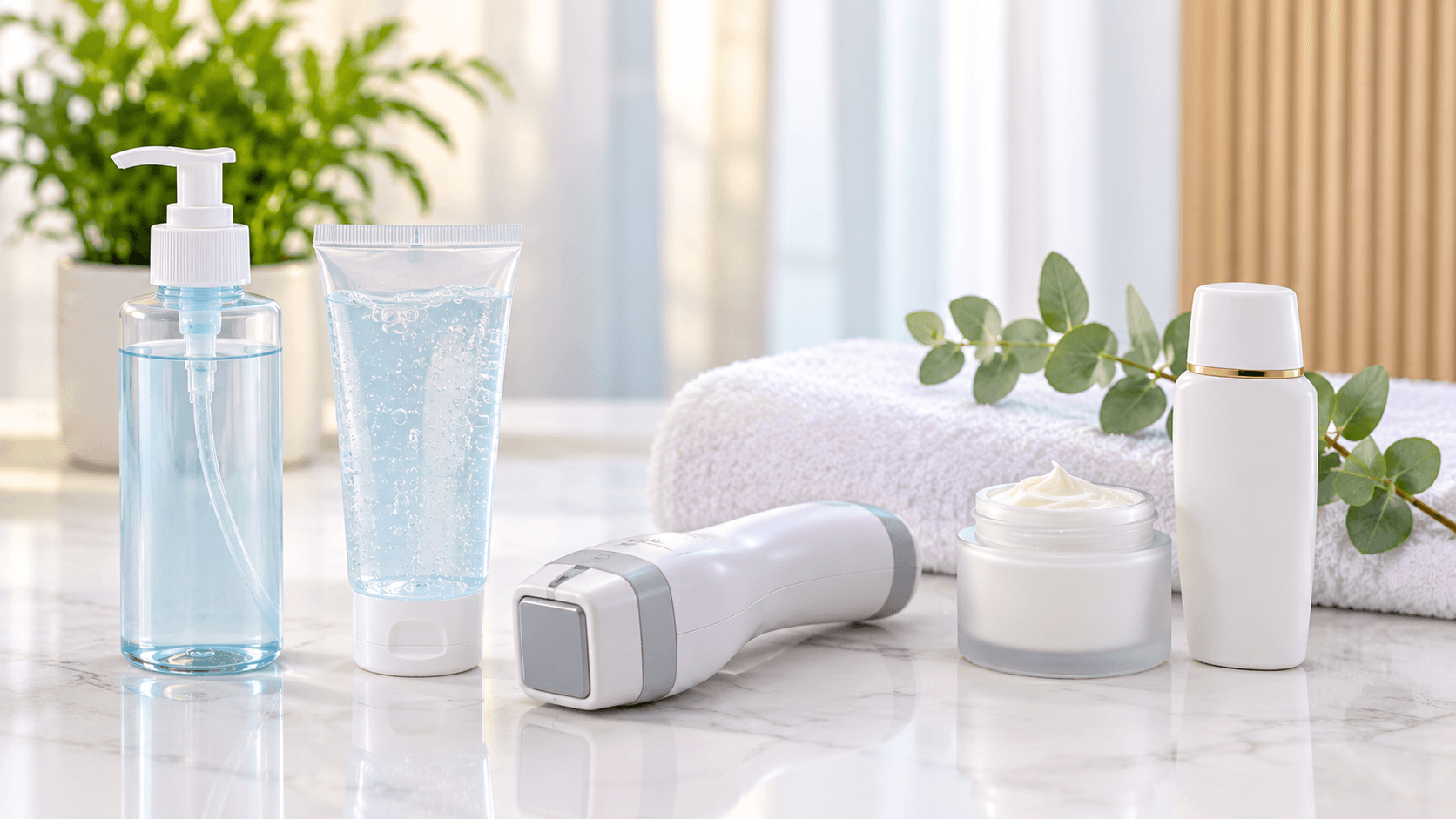
During the appointment, a thin layer of gel is applied to your skin, and the practitioner moves the handpiece across each area, delivering energy in lines.
Common sensations include:
- Warmth as the energy is delivered
- Tingling or prickling
- Brief deeper aches, especially over bony areas such as the jawline or near the forehead
How it feels varies by device, depth, energy level and your own sensitivity. Some clinics offer numbing cream or other comfort measures. Tell your practitioner if you are uncomfortable, as settings or technique can often be adjusted.
Aftercare
Downtime is usually minimal, and most people return to normal activities soon afterwards. Temporary effects can include:
- Redness, which often fades within hours
- Mild swelling
- Tenderness or tingling when touching the area
- Occasional bruising or small welts
- Rarely, temporary numbness
General aftercare often includes:
- Being gentle with your skin for a few days
- Avoiding saunas, steam rooms and very hot environments for the advised period
- Pausing harsh skincare until your practitioner says it is fine
- Using a gentle cleanser and moisturiser
- Applying a broad-spectrum sunscreen every day
Contact your clinic if anything gets worse rather than better, or if you have concerns.
When results develop
Because HIFU works through collagen remodelling, changes build gradually. Some people notice a subtle difference early on, but the main changes typically develop over the following weeks and months.
Results vary between individuals and depend on factors such as age, skin quality, lifestyle, sun exposure and how your skin responds. No clinic can guarantee a specific degree of change or how long it will last.
It helps to have a review appointment after a few months, so you and your practitioner can assess the outcome together.
How often to repeat
There is no fixed schedule for repeating a HIFU facial. How often people repeat treatment depends on:
- The device and protocol used
- Your skin, age and goals
- How your skin responded to previous treatment
- Other treatments you are having
Some people repeat treatment periodically for maintenance, while others choose not to. Your practitioner should discuss a sensible plan rather than booking repeat sessions too close together.
If you are considering a HIFU facial, start with a consultation where a practitioner can assess your skin, recommend a device and plan, and explain what to expect.
FAQs
Can I wear make-up after a HIFU facial? Many people can wear light make-up soon after, but follow your practitioner’s advice, especially if your skin is red or tender.
Can I exercise after HIFU? Light activity is usually fine. Your practitioner may advise avoiding very hot environments or intense exercise for a short period.
When will I see results? Changes develop gradually over the following weeks and months, and vary between people.
Can I have HIFU after fillers or Botox? Often yes, but timing matters. Tell your practitioner about any recent injectables so they can plan treatment safely.
What is Ultraformer MPT? It is a HIFU device with different handpieces for different depths and areas. Your practitioner can explain whether it suits you.
How often should I repeat HIFU? There is no fixed schedule. Your practitioner will suggest a plan based on your skin and response.