
Red Light Therapy at Home: A Calm, Practical Way to Support Skin and Well-Being
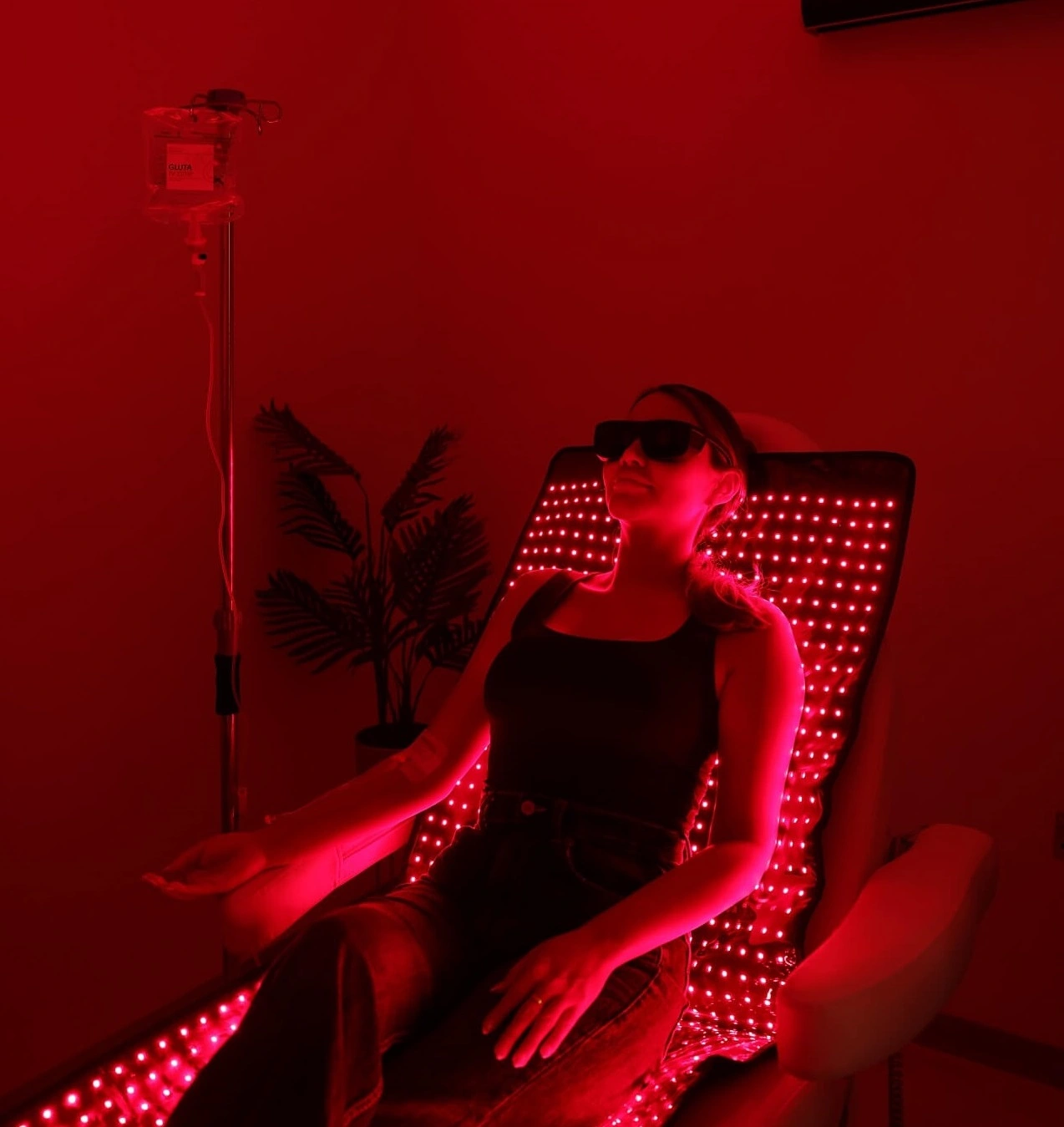
Many people look for practical ways to support their skin and manage day-to-day tension without choosing procedures that require recovery. Home red light therapy has become a steady option for this reason. It uses controlled wavelengths of light to assist the skin’s natural repair activity and provide mild comfort to areas that feel overworked. The treatment does not create heat or irritation, and there is no downtime, which allows it to become part of a routine without disruption.
What Red Light Therapy Actually Is?
Red light therapy uses a narrow band of visible red light, generally within the 620 to 750 nanometre range. These wavelengths reach the outer layers of the skin and influence the areas of the cell responsible for energy production. When these structures receive light, they perform their work with greater efficiency. As a result, the skin may settle, tone may improve, and sore tissues may feel more at ease.
The idea was first explored in space medicine, where controlled doses of red light appeared to support tissue recovery. Over time, this approach moved into clinics. Now, safe and lower-intensity versions are available for home use.
Benefits of Red Light Therapy at Home
Red light therapy works at a steady pace because it supports the body’s natural activity instead of forcing fast changes. Most results appear gradually, particularly when the light is used regularly and the skin or tissue has enough time to respond.
-
Support for Skin Tone and Collagen Strength
Collagen is what keeps the skin firm, and those fibres naturally lose strength as the years pass. Regular red light sessions can help the skin hold some of that structure while it continues its own repair. With enough consistency, the surface may look a bit steadier, and the earliest small lines may not stand out as much. -
Help for Mild Redness and Surface Healing
Red light can support healthier circulation near the surface of the skin. When blood flow improves, the skin often settles more comfortably after mild irritation. Older breakout marks or faint areas of redness will not shift instantly, but they may appear calmer with repeated sessions. -
Comfort for Tired Muscles and Mild Joint Stiffness
People who train regularly or sit for long hours often develop tension in specific areas. Red light may ease these regions by supporting circulation and helping the tissues relax. It does not replace stretching or targeted recovery, yet it can make day-to-day movement feel more manageable. -
Support for Hair Density
Light in the 650 nanometre range may help maintain healthier activity within the hair follicles. Some individuals notice stronger strands or reduced shedding with routine use, while others progress at a slower pace. The response depends on the underlying cause of thinning, so results vary between individuals. -
General Sense of Well-Being
Many people say they feel a bit more settled after a session. Some of that may come from the gentle warmth on the skin, and some from simply stopping long enough to breathe and let the body slow down. The shift is modest and varies between individuals, though it is still a common part of why people continue with the treatment.
How Red Light Therapy Works at Home?
Home devices deliver controlled light that reaches the skin without causing heat or discomfort. Some users feel a light warmth, while others feel nothing at all. The light signals the cell to use its energy more efficiently. This is a supportive process rather than a forceful one. The body continues its own repair cycle, but with less resistance.
Common Concerns Red Light Therapy May Help With
Home red light therapy can support a range of mild, everyday concerns. It does not replace medical treatment but may complement regular care.
Acne-Prone or Irritated Skin
Red light can help calm visible redness. Breakouts may appear less inflamed when used consistently.
Skin Showing Signs of Ageing
The therapy encourages collagen activity, which may help soften lines and lift overall firmness.
Tension in Muscles or Mild Joint Discomfort
A short session after physical activity may help sore areas feel easier to move.
Hair Thinning
Red light may help energise follicles, leading to fuller-looking hair for some users.
Small Surface Marks
Minor marks may settle more quickly when the skin receives steady, gentle support.
Preparation for Rest
Soft red light in the evening can help the body unwind before sleep.
Is Red Light Therapy Safe at Home?
Most home devices are considered safe when they are used with a bit of care and patience. The light itself is gentle, and it does not burn the skin, but the way you use the device makes a difference. Start with shorter sessions so you can see how your skin reacts before committing to longer exposure. Keep a steady, comfortable distance from the light rather than sitting too close. Avoid looking straight into the source, even for a moment. If you notice warmth building in an unusual way or the skin turning red faster than expected, stop and let the area settle. Wipe the device before and after each session so the surface stays clean.
People who have conditions that increase sensitivity to light, or those taking medications that do so, should speak with a clinician before beginning treatment.
How to Use Red Light Therapy Safely at Home
Using a home device is straightforward, but certain habits make the routine more effective.
- Clean your skin before each session so the light reaches the surface clearly.
- Sit comfortably and position the device at an even distance from the area you want to treat.
- A session of roughly ten minutes is suitable for most devices unless the instructions suggest otherwise.
- Repeat the treatment several times a week for steady progress.
- Rest your eyes or use protective eyewear while the device is on.
- Stop immediately if the skin feels irritated.
Important Points to Know Before You Begin
Use a Device Suited for Home Treatment
Choose a device that is clearly marked for home use, and make sure the wavelength is stated plainly. You should be able to read the instructions once and feel you know what to do without second-guessing yourself.
Begin With Shorter Sessions
Most people start gently until they see how their skin behaves. A short session gives you enough information to know whether the light feels comfortable before you increase the time.
Clean the Skin Before Starting
A clean surface helps the light reach the skin evenly. If there is makeup, sunscreen, or a heavier product sitting on top, the light has to work through it and may not reach the area as intended.
Protect Your Eyes During Each Session
Keep your eyes closed whenever the device is running. If the kit includes protective glasses, wearing them can make the session feel easier, especially for people sensitive to bright light.
Allow Time for the Treatment to Work
This therapy does not move quickly. It builds quietly over several weeks, sometimes longer, and the progress is steadier when the routine is kept consistent rather than changed frequently.
Deciding Between Home Use and Clinic Care
Home devices suit people who want something they can use without appointments or planning. They help maintain small improvements and keep the skin in a stable place between professional visits. Clinic systems reach deeper layers and are handled by trained staff, which is why they are chosen when someone needs stronger support or a clearer change within a shorter period.
Many people mix the two. They rely on clinic sessions for targeted work and use their home device to keep that progress from drifting between appointments.
Conclusion
Red light therapy at home is simple, comfortable, and easy to incorporate into daily life. The light supports the skin and underlying tissues without irritation or disruption. With consistent use, many people notice calmer skin, steadier tone, or improved comfort in tired muscles. For those who want stronger or faster results, clinical treatments remain available. Home therapy and in-clinic therapy complement each other well, allowing you to build a routine suited to your needs.
If you would like help choosing a routine or a device that actually suits your needs, the clinical team at SKIN111 can walk you through the options. A specialist will look at your concerns, explain what red light therapy can reasonably support, and shape a plan that matches the way you live.
FAQs
1. How soon will I notice changes with home red light therapy?
Most people notice gentle improvements after several weeks of steady use. Visible results continue to build when the routine is maintained.
2. Can red light therapy be used every day?
Most users do not need daily sessions. Two or three times a week is usually enough unless the device instructions recommend otherwise.
3. Will red light therapy suit sensitive skin?
Most skin types tolerate the treatment well. People with sensitivity should begin with brief sessions and monitor their response closely.
4. Can home red light therapy replace in-clinic treatments?
Home devices are helpful for maintenance, not as replacements for professional care. Clinical systems reach deeper layers and offer stronger results for advanced concerns.
5. Is there any downtime after treatment?
There is no recovery period. The skin may look slightly flushed at first, but this settles quickly for most people.
Most Popular:
-
Sciton HALO vs Sciton BBL
Read More »September 20, 2022 -
What is profhilo, and how is it different from fillers?
Read More »September 20, 2022 -

Body contour solutions from SKIN111
Read More »September 20, 2022 -
Does IV GLUTATHIONE therapy work
Read More »September 20, 2022 -

How can an IV drip help you boost your energy
Read More »September 20, 2022