
Morpheus8 is one of the most searched skin treatments, and it is often described, incorrectly, as a laser. In fact, it combines two technologies, microneedling and radiofrequency energy, to work on skin texture and firmness. If you are considering Morpheus8 treatment in Dubai, this guide explains what it actually is, which areas it can treat, who may be a good candidate, what a session involves, and what recovery looks like.
Morpheus8 is a medical procedure. Suitability and results vary from person to person, and a licensed practitioner should assess your skin before treatment.
What Morpheus8 is: RF microneedling, not a laser
Many people search for “Morpheus laser”, but Morpheus8 does not use laser light. It is a branded form of RF microneedling, which works in two steps at the same time:
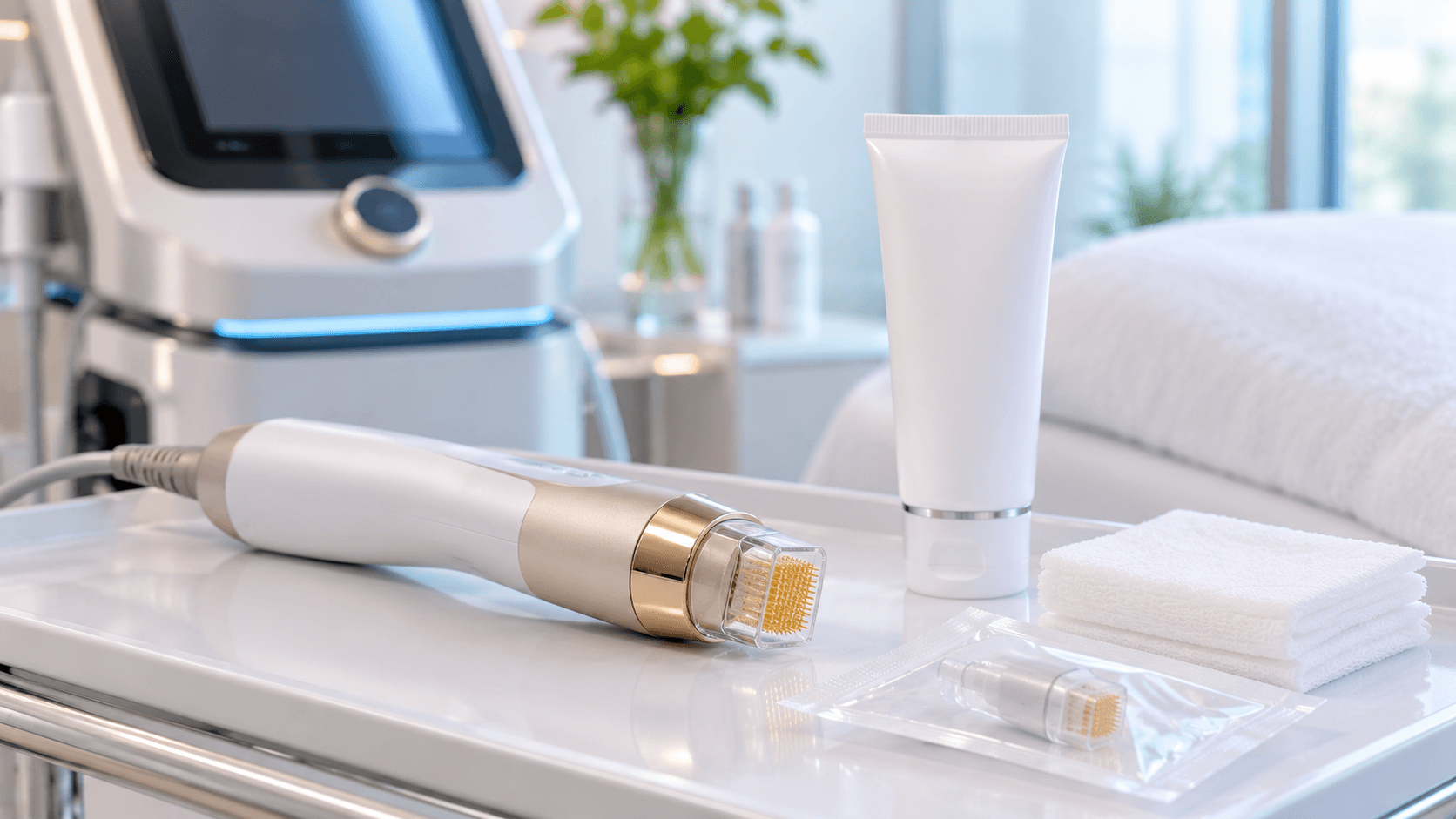
- Microneedling. A handpiece with an array of very fine needles makes tiny, controlled punctures in the skin.
- Radiofrequency energy. The needles deliver radiofrequency (RF) energy into the deeper layers of the skin, creating controlled heat beneath the surface.
Together, the tiny punctures and the heat trigger the skin’s natural healing response, including the production and remodelling of collagen and elastin, the proteins that keep skin firm and supple. Because this is a natural process, changes develop gradually over the weeks and months after treatment.
One feature of this kind of device is that the needle depth can be adjusted. This allows the practitioner to tailor treatment to different areas and concerns, from more superficial texture to deeper tissue.
Because most of the energy is delivered beneath the surface, RF microneedling is often considered for a wider range of skin types than some lasers. That said, there is still a risk of side effects, including pigment changes, so careful assessment and settings matter.
Areas treated: face and body
Morpheus8 can be used on many areas. On the face and neck, a Morpheus facial treatment is commonly used for:
- Uneven skin texture
- Enlarged-looking pores
- Acne scarring
- Fine lines and wrinkles
- Mild to moderate skin laxity, including around the jawline and neck
On the body, it may be used for:
- Loose or crepey skin on areas such as the abdomen, arms, knees or thighs
- Stretch marks
- Uneven texture
Different handpieces or tips may be used for smaller, delicate areas and for larger body areas. Your practitioner will choose the right approach for each area.
Who may be a candidate
Morpheus8 is often considered for adults who:
- Have textural concerns, such as acne scars or enlarged pores
- Have mild to moderate skin laxity
- Want an option that works on both texture and firmness
- Are prepared for a few days of downtime
- Understand that results are gradual and vary between people
It is not usually the right choice for significant sagging, where surgical options may be more suitable.
Morpheus8 may not be suitable, or needs extra caution, if you:
- Are pregnant or breastfeeding
- Have an active skin infection, cold sore or inflamed acne in the area
- Have a pacemaker or other implanted electronic device
- Have metal implants in the treatment area
- Have a tendency to keloid scarring
- Have certain autoimmune or skin conditions
- Have recently taken isotretinoin
- Have a recent tan or sunburn
Your practitioner will review your medical history, medicines and previous treatments before recommending it.
What happens during a session
A typical Morpheus8 appointment follows these steps:
- Consultation. Your practitioner examines your skin, discusses your goals and confirms suitability.
- Cleansing. Make-up and oils are removed, and the skin is cleaned and disinfected.
- Numbing. A topical anaesthetic cream is usually applied and left to take effect, as microneedling with RF can be uncomfortable.
- Treatment. The handpiece is pressed against the skin and moved across the area in a pattern. The needles and energy are delivered with each pass.
- Finishing. The skin is cleaned and a soothing product is applied.
Most people feel heat and a prickling sensation, which numbing cream helps to manage. The appointment length depends on the area and the numbing time.
Downtime and aftercare
Recovery varies with the depth and energy used, but common short-term effects include:
- Redness, often similar to sunburn, for a few days
- Swelling, especially around the eyes and jawline
- A pattern of tiny marks from the needles
- Dryness and mild flaking as the skin heals
- Tenderness
Less commonly, people may experience prolonged redness, infection, bruising, scarring or changes in skin colour. Contact your clinic if you notice increasing pain, spreading redness, warmth, pus, fever or anything that worries you.
General aftercare usually includes:
- Gentle cleansing and a simple moisturiser as advised
- Avoiding make-up for the period your practitioner recommends
- Avoiding active skincare, such as retinoids and exfoliating acids, until advised
- Avoiding saunas, swimming pools, heavy sweating and intense exercise for a short period
- Strict sun protection with a broad-spectrum sunscreen, which is essential in the UAE
- Not picking or scrubbing the skin
Number of sessions
Morpheus8 is usually given as a course of sessions, spaced several weeks apart, to allow the skin to heal and collagen to build between treatments. The number of sessions depends on:
- The concern being treated
- The area and depth
- Your skin type and how your skin responds
- Your goals
Some people choose occasional maintenance sessions later. Your practitioner should give you a clear plan before you start.
If you are considering a Morpheus8 facial, start with a consultation where a practitioner can assess your skin and explain whether RF microneedling suits your goals.
FAQs
Is Morpheus8 a laser? No. It is radiofrequency microneedling, which combines fine needles with radiofrequency energy. It does not use laser light.
Does Morpheus8 hurt? Most people feel heat and prickling. Numbing cream is usually applied beforehand to improve comfort.
How long is the downtime? Redness, swelling and small needle marks commonly last a few days, depending on the depth and energy used.
Is Morpheus8 suitable for darker skin? RF microneedling is often considered for a wide range of skin types, but there is still a risk of pigment changes. A practitioner should assess your skin first.
How many sessions will I need? It is usually given as a course of sessions spaced several weeks apart. Your practitioner will recommend a plan.
When will I see results? Changes develop gradually over the weeks and months after treatment, and vary between people.