
Skin boosters have become one of the most requested injectable treatments for people who want to improve skin quality rather than change their features. Three names come up again and again: Profhilo, Jalupro Super Hydro and Sunekos. They are often grouped together, but their ingredients and treatment protocols differ. If you are considering a skin booster treatment, this guide explains what each product is, how they compare, who may be suitable and what to expect.
Skin boosters are medical treatments. Ingredient descriptions below are based on the manufacturers’ published information, and results vary between individuals. A licensed doctor should help you decide which, if any, is right for your skin.
What skin boosters are
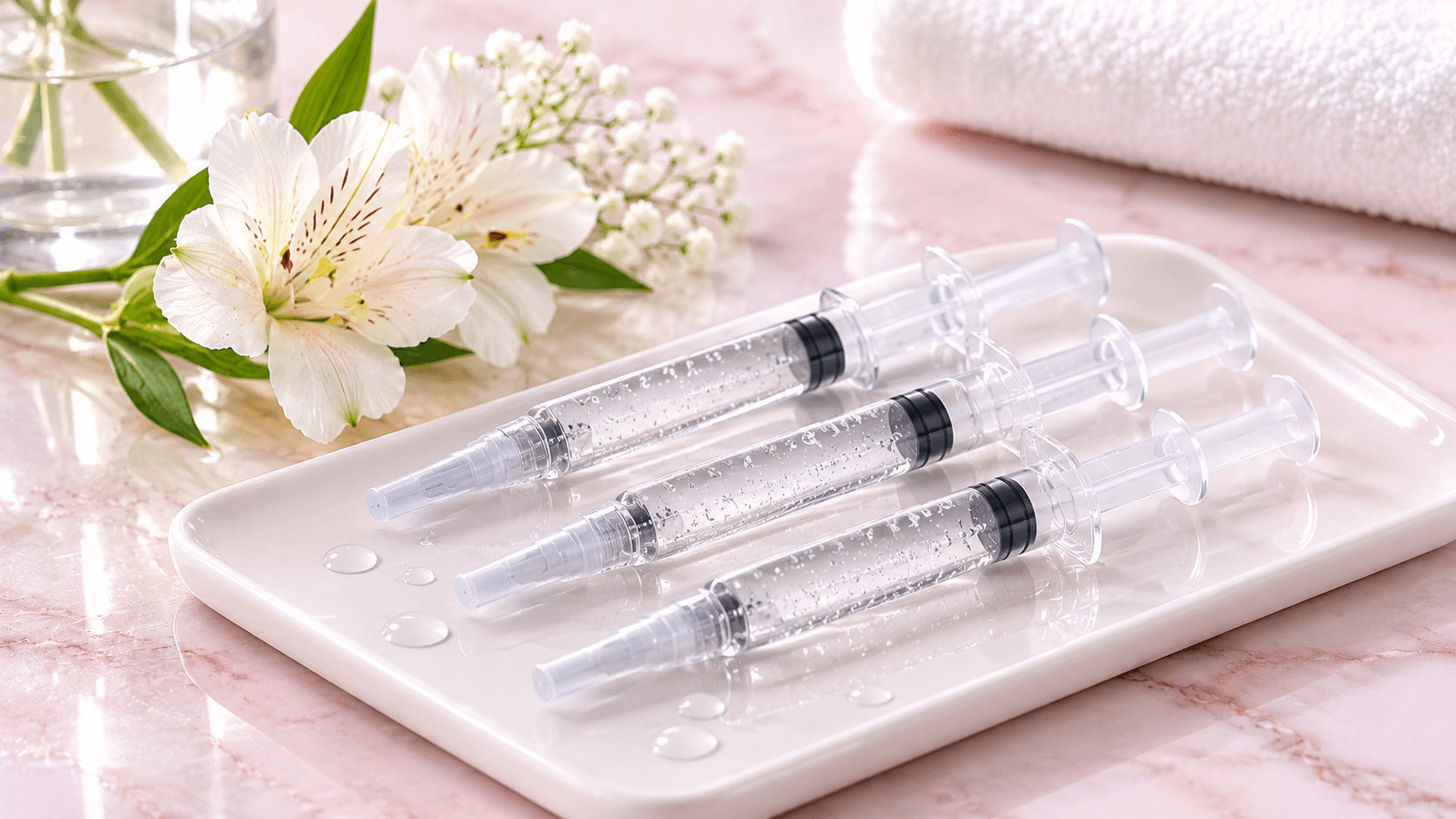
Skin boosters are injectable treatments designed to improve the quality of the skin itself: hydration, texture, elasticity and radiance. Most are based on hyaluronic acid (HA), a molecule that occurs naturally in the skin and helps it hold water. Some products add other ingredients, such as amino acids, which are the building blocks of proteins like collagen and elastin.
Skin boosters differ from dermal fillers in an important way:
- Dermal fillers are usually thicker gels designed to add volume or reshape areas such as the lips, cheeks or jawline.
- Skin boosters are generally more fluid and spread through the skin to improve its quality, without noticeably changing shape or volume.
Common treatment areas include the face, neck, décolletage and backs of the hands.
Profhilo
Profhilo treatment uses a high concentration of hyaluronic acid. According to the manufacturer, it combines high and low molecular weight HA in a stabilised form produced by a thermal process rather than conventional chemical cross-linking.
Profhilo is designed to spread through the tissue after injection. Rather than many small injections across the face, it is typically placed at a small number of set points on each side of the face, a technique the manufacturer describes for even distribution.
A typical protocol involves an initial course of sessions spaced a few weeks apart, followed by maintenance treatments if you and your doctor decide they are worthwhile. Your doctor will confirm the plan for you.
Jalupro Super Hydro
Jalupro Super Hydro combines hyaluronic acid with amino acids, according to the manufacturer’s information. The amino acids are included because they are building blocks the skin uses to make structural proteins.
It is often used for skin that looks dehydrated, dull or lacking in firmness, and for fine lines on the face, neck and other areas.
Treatment is usually given as a series of sessions, with the number and spacing set by your doctor in line with the manufacturer’s protocol.
Sunekos
Sunekos injections combine hyaluronic acid with a specific blend of amino acids, according to the manufacturer. The range includes different formulations intended for different areas and concerns, such as the face, the delicate under-eye area and the body.
Sunekos is commonly given as a course of several sessions. The spacing and number depend on the formulation and the area being treated, so your doctor will advise on the protocol for you.
Differences in ingredients and protocols
All three products are based on hyaluronic acid, but they differ in how they are made, what is added, and how they are injected.
| Profhilo | Jalupro Super Hydro | Sunekos | |
|---|---|---|---|
| Main ingredients | High and low molecular weight HA in a stabilised form | HA combined with amino acids | HA combined with a blend of amino acids |
| Injection approach | A small number of set points per side | Multiple injection points across the area | Multiple injection points across the area, depending on formulation |
| Typical course | A short initial course, then maintenance | A series of sessions | A series of sessions |
| Common areas | Face, neck, décolletage, hands | Face, neck, other areas | Face, under-eye area, neck, body, depending on formulation |
There is no single “best” skin booster. Which product suits you depends on your skin, the area being treated, your goals and your doctor’s assessment. Some doctors combine or alternate products as part of a wider plan.
Who may be suitable
Skin boosters are often considered for adults who want to improve:
- Dehydrated, dull or tired-looking skin
- Fine lines and crepey texture
- Early loss of skin firmness or elasticity
- Skin quality on the neck, décolletage or hands
They are not designed to replace volume, lift sagging skin or treat deep lines. A doctor may suggest other treatments, or a combination, for those concerns.
Skin boosters may not be suitable, or need extra caution, if you:
- Are pregnant or breastfeeding
- Have an active skin infection, cold sore or inflamed acne in the area
- Have a known allergy to any ingredient
- Have a bleeding disorder or take blood-thinning medicines
- Have certain autoimmune conditions
- Have had other injectables or procedures in the area recently
Sessions and aftercare
A typical appointment includes a consultation, cleansing of the skin, numbing cream if needed, and the injections. Most appointments take under an hour.
Common short-term effects include:
- Small raised bumps at injection points, which usually settle within a day or so
- Redness and mild swelling
- Tenderness
- Bruising
Less commonly, people may experience prolonged swelling, lumps, infection or an allergic reaction. Contact your clinic if you notice increasing pain, spreading redness, warmth or anything that worries you.
General aftercare often includes avoiding make-up, touching or massaging the area for the rest of the day, avoiding heat, saunas and strenuous exercise for the advised period, and using sunscreen daily.
Changes usually build gradually over the course of treatment. If you are considering skin boosters in Dubai, a consultation with a licensed doctor is the best way to find out which product suits your skin.
FAQs
Are skin boosters the same as fillers? No. Fillers add volume or reshape, while skin boosters aim to improve hydration and skin quality without changing shape.
Which skin booster is best? There is no single best product. Your doctor will recommend one based on your skin, the area and your goals.
How many sessions will I need? Most skin boosters are given as a course of sessions, followed by maintenance if needed. The protocol depends on the product.
Is there downtime? Small bumps, redness and possible bruising are common for a short time. Many people return to normal activities the same day.
Can skin boosters be combined with other treatments? Often yes, but timing matters. Your doctor will advise how to plan them alongside other treatments.