

If you have decided to look into a glutathione drip, the next questions are practical ones. Am I suitable? What will the clinic check first? What happens in the chair, and what should I do afterwards? This guide walks you through preparing for a glutathione IV drip in Dubai, from screening to aftercare, so you know what to expect and what a safe service looks like.
Before you start, it is worth being clear about expectations. The evidence that glutathione lightens or brightens skin is limited, results vary between people, and no clinic can guarantee a change in skin tone. A glutathione drip is a medical treatment and should only be given after a doctor’s assessment.
Who should not have a glutathione drip
A glutathione drip is not suitable for everyone. It may need to be avoided, or approached with extra caution, if you:
- Are pregnant or breastfeeding. Treatment is generally avoided because safety has not been established.
- Have asthma. Some forms of glutathione have been linked to breathing problems in people with asthma, so your doctor needs to know.
- Have G6PD deficiency, if the drip includes high-dose vitamin C, which can be unsafe in this condition.
- Have a history of kidney stones or kidney disease, especially if vitamin C is included.
- Have liver or heart disease, or another significant medical condition.
- Have a known allergy to glutathione or any other ingredient in the drip.
- Are under 18.
- Are having treatment for cancer, unless your oncologist has approved it.
This is not a complete list, which is why the screening step matters.
Pre-treatment screening
A responsible clinic will not start a drip without a medical screening, reviewed by a doctor. Expect to be asked about:
- Your medical history, including asthma, kidney, liver and heart conditions
- Allergies, and any previous reactions to injections, drips or medicines
- All current medicines and supplements
- Pregnancy, breastfeeding or plans to conceive
- Whether you have been tested for G6PD deficiency, if vitamin C will be used
- What you hope to achieve, so your expectations can be discussed honestly
The doctor may also check your blood pressure, pulse and temperature, and may recommend blood tests in some cases.
Answer every question fully. Information that seems minor can change whether IV glutathione is safe for you.
To prepare for the day:
- Eat a light meal beforehand, unless told otherwise
- Drink water to stay well hydrated
- Wear a top with sleeves that roll up easily
- Bring a list of your medicines
- Allow enough time so you are not rushing
What happens during the session
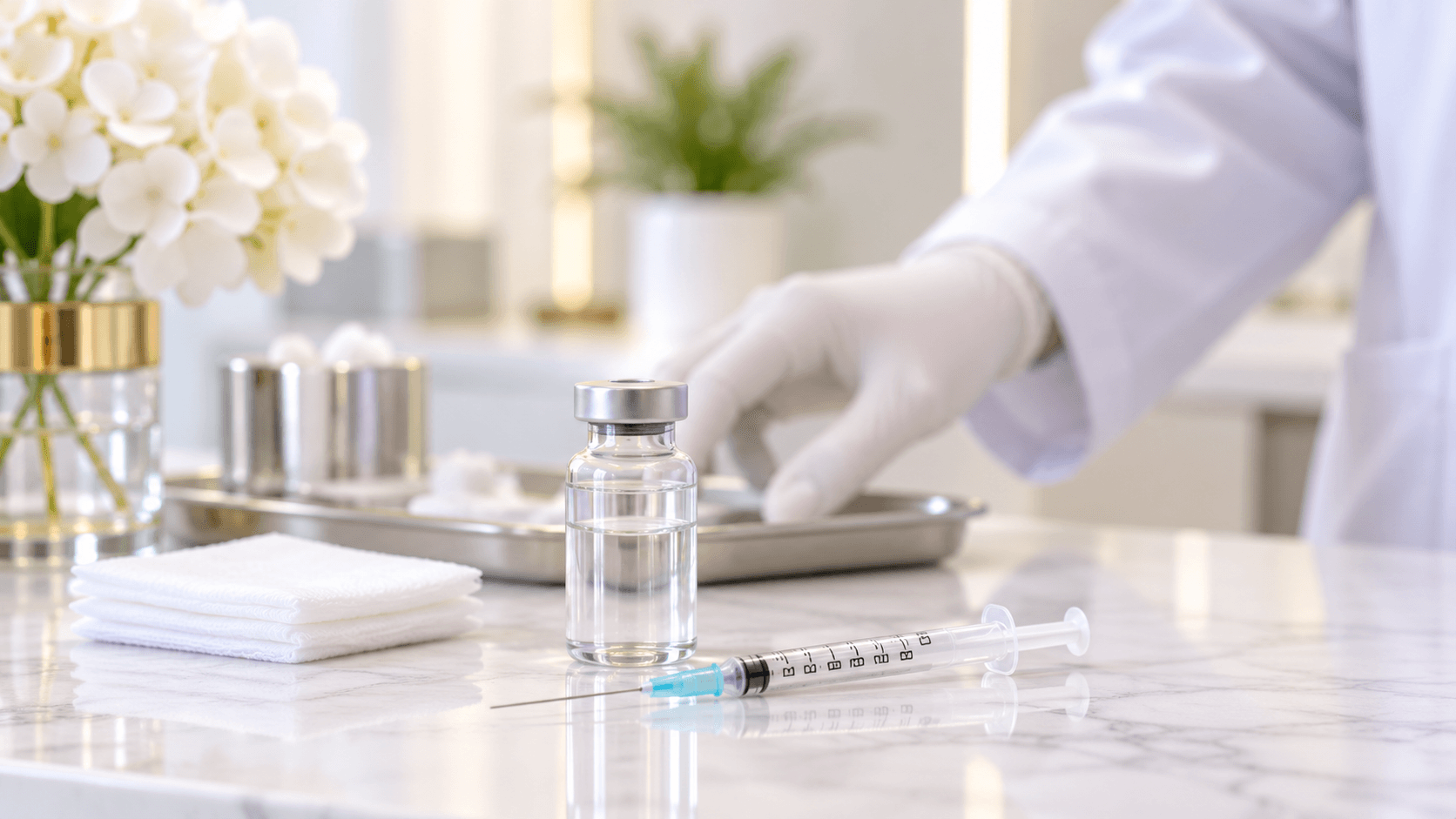
A typical session follows these steps:
- Check-in and consent. The nurse or doctor confirms your identity, reviews your screening and asks for written consent.
- Pre-checks. Your blood pressure, pulse and temperature are measured.
- Cannula insertion. The nurse cleans the skin and inserts a small, flexible tube, called a cannula, into a vein, usually in your arm or hand.
- Infusion. The drip runs at a controlled rate while you sit back in a reclining chair. Depending on the volume and ingredients, this often takes somewhere between 30 and 60 minutes.
- Monitoring. The nurse checks on you throughout and watches for any reaction.
- Finishing. The cannula is removed, pressure is applied and a small dressing is placed over the site.
You may feel a brief pinch when the cannula goes in, and a cool sensation in your arm as the fluid runs. Tell the nurse straight away if you feel dizzy, itchy, flushed, short of breath, or notice pain or swelling around the line.
Glutathione with vitamin C
Many clinics combine glutathione with vitamin C in the same drip. Vitamin C is an antioxidant that plays a role in recycling glutathione in the body, which is the reasoning often given for combining them.
It is important to know that:
- High-dose vitamin C is not suitable for everyone. It can be dangerous for people with G6PD deficiency, and may increase the risk of kidney stones in people prone to them.
- The dose matters. Ask exactly how much of each ingredient is in your drip.
- There is no strong evidence that the combination brightens skin more than either ingredient alone.
A good clinic will tell you exactly what is in your glutathione drip, in what amounts, and why.
Aftercare and spacing of sessions
Most people can return to normal activities straight after a drip. General aftercare includes:
- Keeping the dressing on for the time advised
- Avoiding heavy lifting or strenuous use of that arm for the rest of the day
- Drinking water
- Watching the cannula site for redness, warmth, swelling or pain
Contact the clinic if the site becomes red, hot or swollen, or if you develop a fever, rash or any symptom that worries you. Seek urgent help for difficulty breathing or swelling of the face or throat.
There is no single standard schedule for glutathione drips. Providers often suggest a course of sessions over several weeks, sometimes followed by occasional maintenance sessions. Your doctor should agree a clear plan with you, and review whether treatment is worth continuing. If there is no meaningful benefit after a course, it is reasonable to stop.
Daily sunscreen remains essential, whatever your goals for your skin.
Price factors in Dubai
The cost of a glutathione drip varies between clinics. Quotes usually depend on:
- The ingredients and dose, including whether vitamin C or other ingredients are added
- The type of treatment, such as an IV drip or a shorter injection
- Medical oversight, including doctor screening and nurse monitoring
- The setting, such as a clinic visit or a home visit
- Packages, if a course is booked together
A very low price can be a warning sign. It may reflect an unlicensed product, a lower dose or limited medical supervision.
Finding a licensed provider near you
When searching for a drip nearby, check that the provider:
- Is a licensed healthcare facility, regulated by the Dubai Health Authority (DHA) in Dubai
- Requires a medical screening reviewed by a doctor
- Uses licensed nurses to give the drip
- Uses approved products and can show you the sealed packaging
- Tells you exactly what is in the drip and in what amounts
- Gives clear aftercare advice and a number to call
If you are considering a gluta IV drip, start with a consultation where a doctor can review your health and discuss realistic expectations.
FAQs
How long does a glutathione drip take? Often 30 to 60 minutes, plus time for screening and checks. Your clinic will confirm the timing.
Will a glutathione drip lighten my skin? The evidence is limited and results vary. No clinic can guarantee a change in skin tone.
Do I need a G6PD test? If your drip contains high-dose vitamin C, your doctor may recommend checking for G6PD deficiency first.
Can I go back to work afterwards? Yes. Most people return to normal activities straight away.
How many sessions will I need? There is no standard schedule. Your doctor will suggest a plan and review whether to continue.