
For many people, the hardest part of sexual health testing is simply getting through the door of a clinic. That is one reason at-home STD testing has become popular: you can provide samples in private, at a time that suits you. But how does home testing work, which infections can it check for, and when is a clinic visit the better choice?
This guide compares the two options so you can decide which suits your situation. Whichever you choose, testing is a normal, responsible part of looking after your health, and a doctor can help you decide which tests you need.
How at-home STD sample collection works
“At-home testing” can mean two different things, and it is worth knowing which one a provider offers.
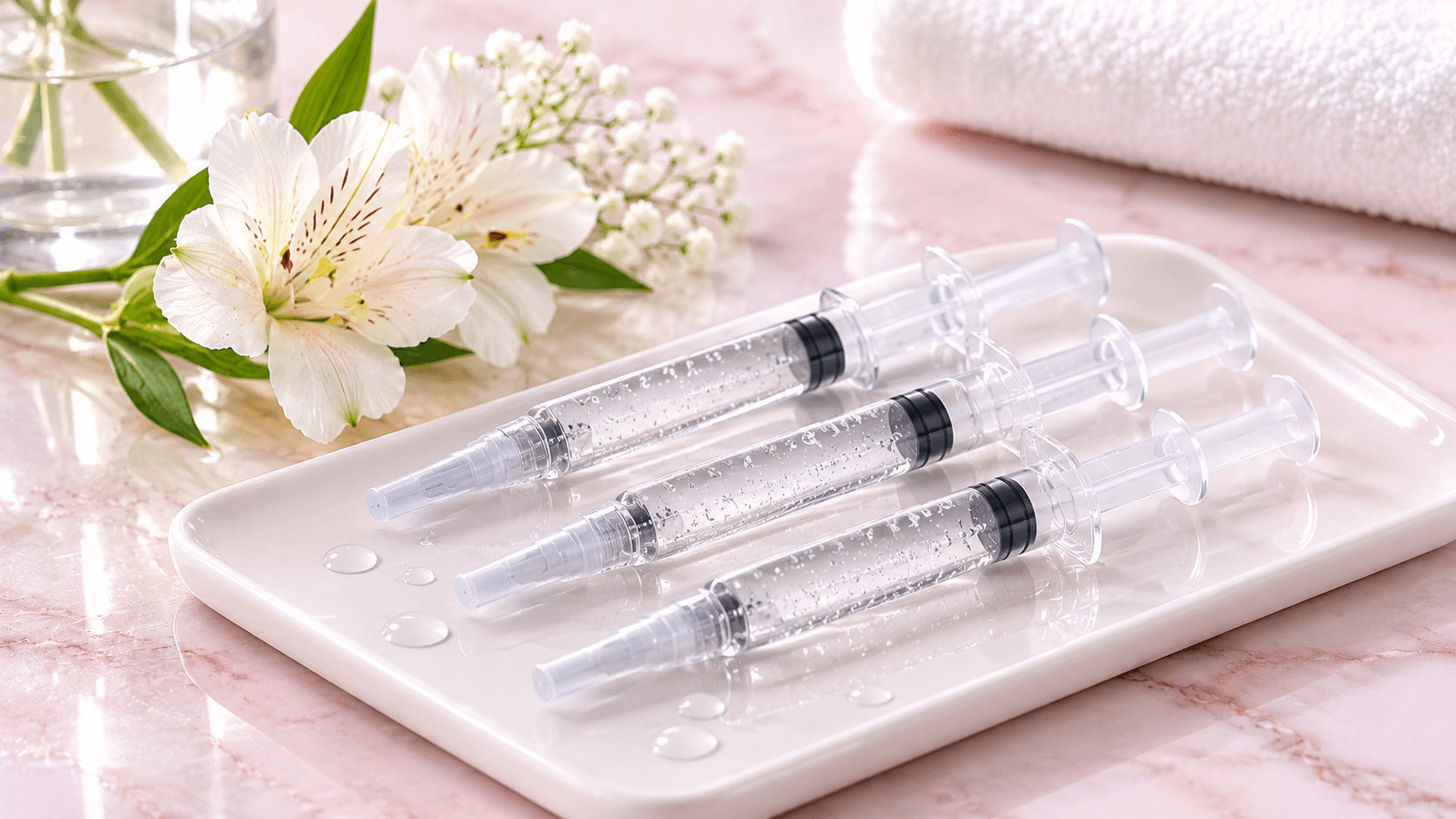
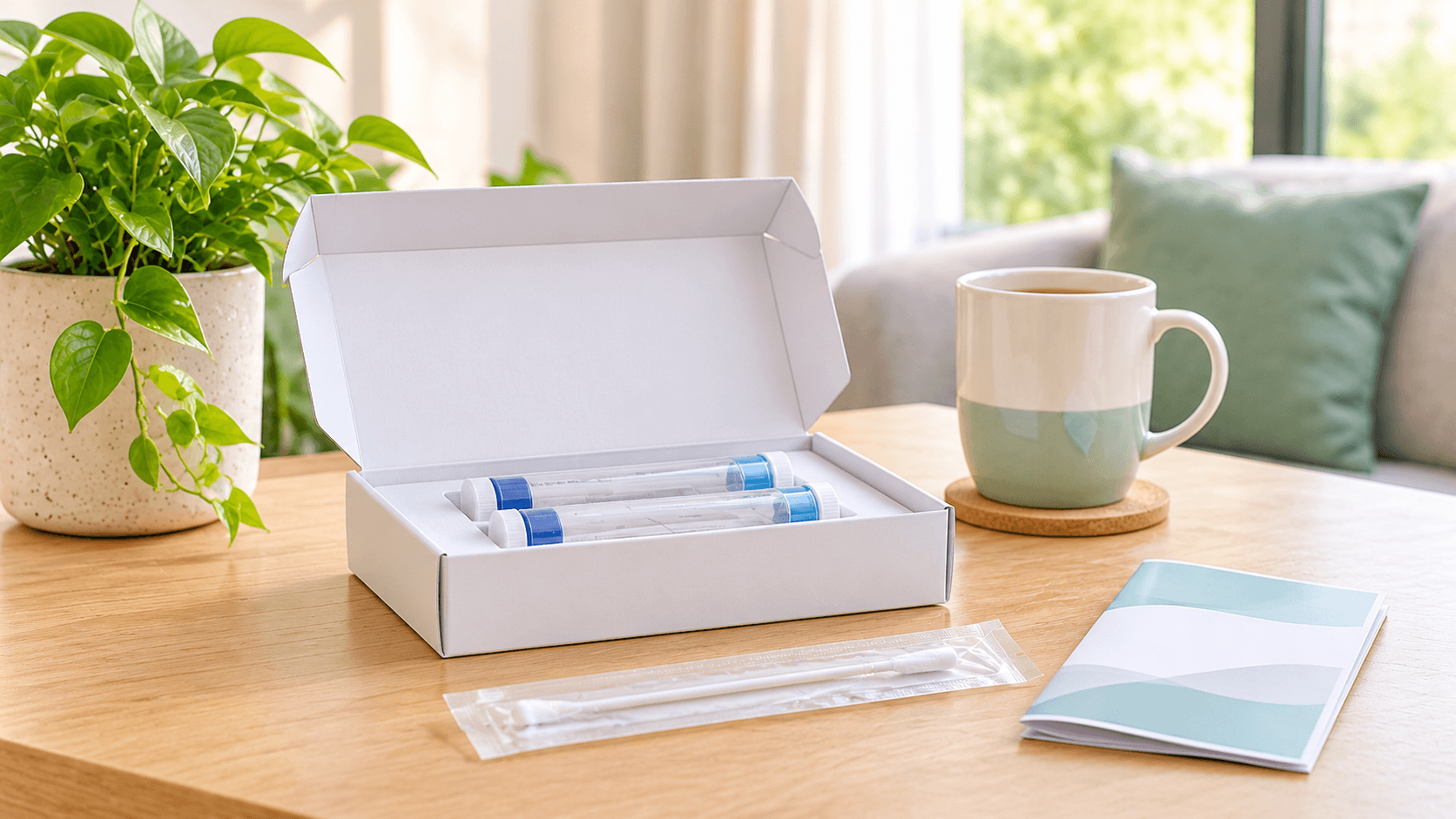
Self-collection kits. A kit is delivered to you. Inside are instructions and equipment to collect your own samples, which may include:
- A small urine sample in a tube
- A swab you take yourself from the vagina, throat or rectum, depending on the test
- A finger-prick blood sample collected into a small tube
You seal the samples, label them as instructed and return them to the laboratory, often by courier.
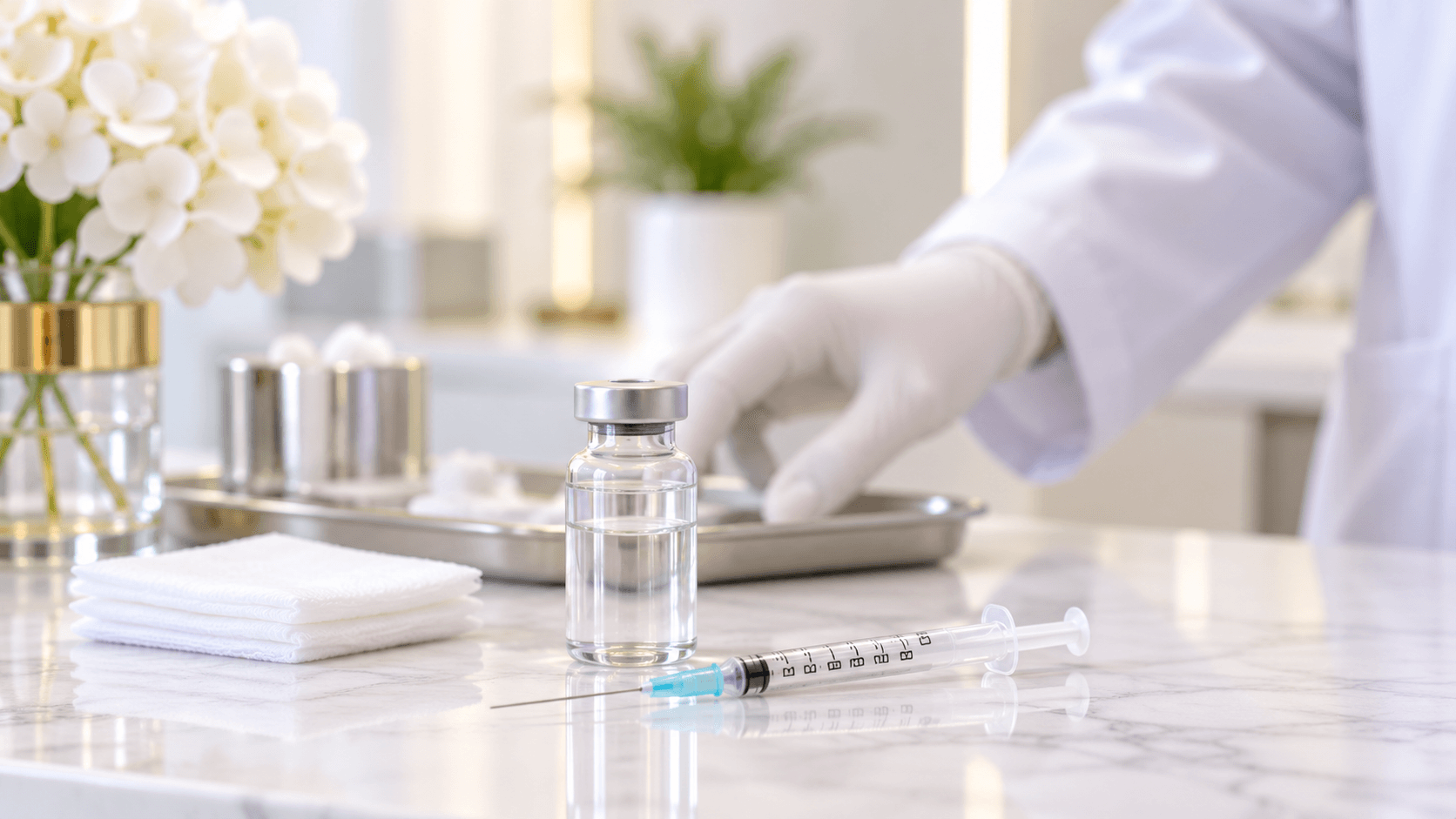
Home sample collection by a healthcare professional. A licensed nurse or other healthcare professional visits your home, hotel or office, collects the samples, including a blood sample from a vein if needed, and takes them to the laboratory.
In both cases, the samples are analysed in a laboratory, not in the kit itself. Following the instructions carefully matters, because an incorrectly collected or poorly stored sample may need to be repeated.
Which infections home kits can cover
What a home test covers depends on the provider and the samples collected. Commonly available home testing may include:
- Chlamydia and gonorrhoea, from urine or swab samples
- Trichomoniasis, from urine or swab samples
- HIV, from a blood sample
- Syphilis, from a blood sample
- Hepatitis B and hepatitis C, from a blood sample
Some things are harder to test well at home:
- Herpes is best diagnosed by a clinician swabbing an active sore. Blood tests for herpes without symptoms have limited value.
- HPV is checked through cervical screening for women, which needs a clinic appointment. There is no routine HPV test for men.
- Symptoms such as sores, rashes, pain or discharge need an examination, which a kit cannot provide.
Always check exactly which infections a test covers, and which sample types are used. A urine-only test can miss infections in the throat or rectum, so tell the provider about the type of contact you have had.
Window periods: when to test
After possible exposure, an infection takes time to become detectable. Testing too early can give a false negative result. Typical guidance is:
| Infection | When a test is usually reliable after exposure |
|---|---|
| Chlamydia and gonorrhoea | From about 2 weeks |
| Trichomoniasis | From about 1 week to a month |
| Syphilis | Around 6 weeks; a repeat test at 12 weeks may be advised |
| HIV (laboratory antigen/antibody test) | Usually 18 to 45 days |
| Hepatitis B | Around 3 to 6 weeks, sometimes longer |
| Hepatitis C (antibody test) | Usually 8 to 11 weeks |
Window periods vary by test type and between people, and your doctor may recommend testing again later.
If you think you may have been exposed to HIV in the last 72 hours, do not wait to use a home kit. Seek medical advice urgently, because post-exposure prophylaxis (PEP) may be an option and works best when started as soon as possible.
Home kit vs clinic visit
Both approaches have a place. The right one depends on your circumstances.
| At-home testing | Clinic visit | |
|---|---|---|
| Privacy and convenience | Collect samples at home, at a time that suits you | Requires an appointment and travel |
| Examination | Not possible | A doctor can examine any symptoms |
| Sample types | Limited to what you can collect, or what a visiting nurse collects | Full range, including clinician-taken swabs |
| Symptoms | Not suitable as the only step if you have symptoms | The right choice if you have symptoms |
| Advice | Usually by phone or message after results | Face-to-face consultation |
| Treatment | Arranged after results | Can often start at the same visit |
Home testing may suit you if:
- You have no symptoms and want a routine check
- You are past the relevant window period
- Privacy or convenience would make you more likely to test
A clinic visit is usually better if:
- You have symptoms, such as sores, pain, discharge or a rash
- You may need urgent treatment, including PEP
- You have been told a partner has an infection
- You are pregnant
- You need tests that require a clinician, such as cervical screening
How results and follow-up are handled
The value of STD testing at home depends on what happens after the results come back. Before you order, check:
- How and when you will receive results
- Whether a doctor reviews the results
- Who will contact you if a result is positive, and how quickly
- How treatment and confirmation testing are arranged
- Who you can speak to if you have questions
If a result is positive, many common infections can be treated effectively, and others can be managed with ongoing care. A positive result from a home test may need confirming with further testing, which your doctor will arrange. Recent partners are usually advised to get tested too.
Privacy and confidentiality
Privacy is a major reason people choose a home STD test. Ask the provider:
- How the kit is packaged and delivered
- How your samples are labelled and transported
- How your results are stored and shared
- Who can access your information
In the UAE, some infections must be reported to health authorities under public health law. A licensed provider should be able to explain what that means for you and how your information is handled.
Whether you choose a kit or a visit, the most important step is getting tested. If you would like a private option, you can find out more about at home STD screening in Dubai on Skin111’s page.
FAQs
Are at-home STD tests accurate? When samples are collected correctly and analysed in an accredited laboratory, home tests can be reliable for the infections they cover. Testing too early or collecting samples incorrectly can affect results.
Can I test at home if I have symptoms? It is better to see a doctor, who can examine you and start treatment if needed.
How soon can I test after exposure? It depends on the infection. Some can be detected from about 2 weeks, others take longer.
Will anyone know I ordered a test? Ask the provider how kits are packaged and how results are shared. Licensed providers should explain how your information is protected.
What happens if my result is positive? A doctor should contact you to explain the result, arrange any confirmation testing and discuss treatment.