

Glutathione has become one of the most talked-about ingredients in skin care, often promoted for a brighter, more even complexion. You may have seen it offered as an injection, an IV drip, a supplement or a cream. If you are researching glutathione whitening injections, it is worth understanding what glutathione actually is, how the different forms compare, what the evidence really says, and what safety checks should happen first.
This guide is general information. Glutathione injections and drips are medical treatments, and a licensed doctor should assess whether they are suitable for you.
What glutathione is
Glutathione is a small molecule made naturally by the body, mainly in the liver. It is built from three amino acids: glutamic acid, cysteine and glycine. It is found in almost every cell.
Its main roles include:
- Acting as an antioxidant, helping to neutralise unstable molecules called free radicals
- Supporting the liver in processing certain substances
- Supporting immune cell function
The body normally makes the glutathione it needs. Levels can be affected by age, illness, diet, smoking and other factors.
Glutathione’s link to skin tone comes from laboratory research suggesting it may influence how melanin, the skin’s pigment, is produced. It may reduce the activity of an enzyme involved in melanin production and shift the type of pigment made towards a lighter form. This is the theory behind its use for skin brightening, but laboratory findings do not always translate into visible results in people.
Injection vs IV drip
Glutathione is offered in several forms, and how it is given affects what reaches the body.
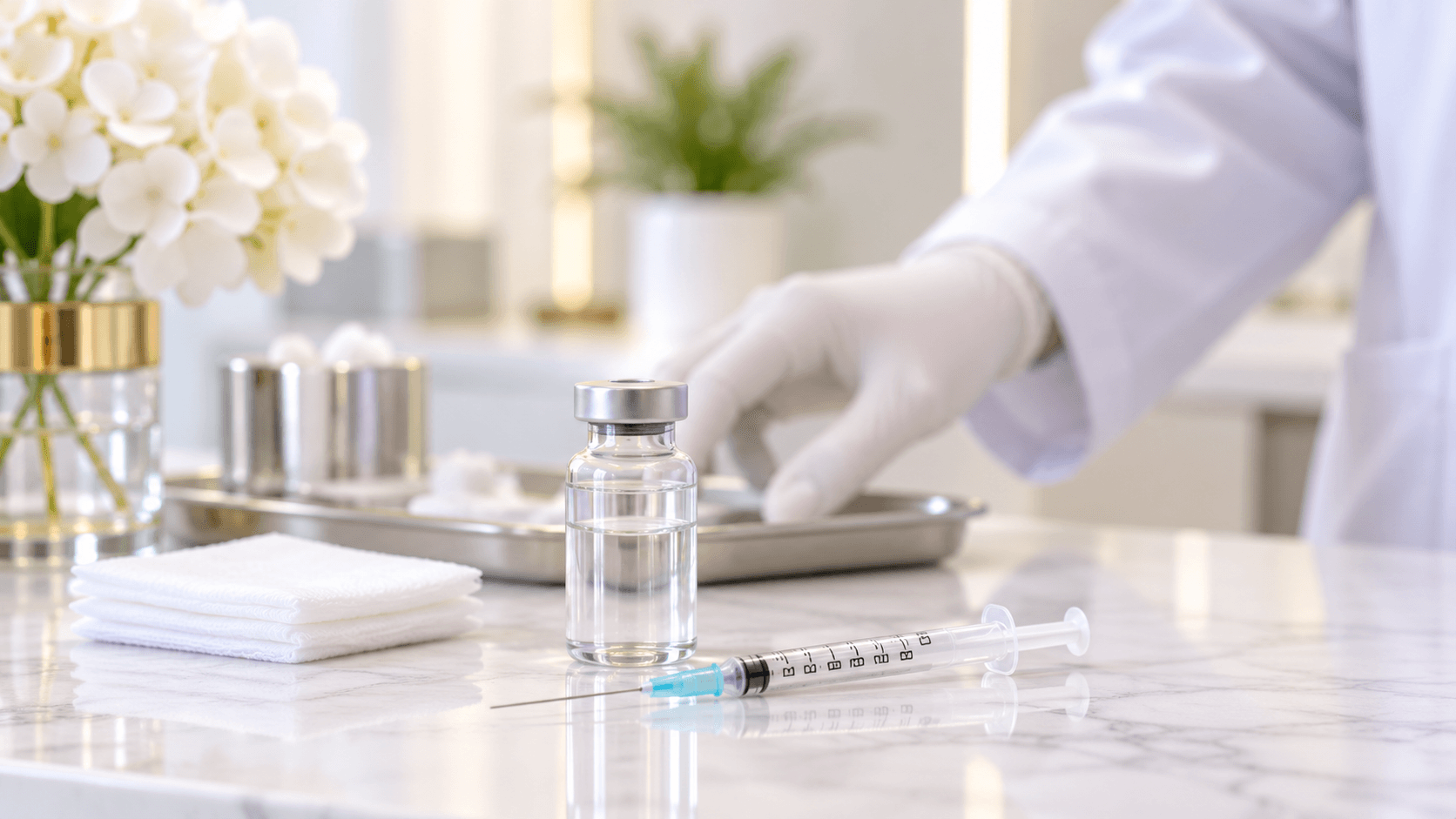
- Injection. A smaller dose is injected, usually into a vein or a muscle. Each session is short.
- IV drip. Glutathione is added to an IV bag, often with fluids and sometimes vitamin C, and infused over a longer period. A glutathione IV session usually takes longer than an injection but can deliver a larger volume.
- Oral supplements. Tablets or capsules. Some studies suggest the body may absorb certain forms better than others, but absorption from the gut has long been debated.
- Topical products. Creams and serums applied to the skin.
Vitamin C is often combined with glutathione in drips, because it plays a role in recycling glutathione in the body. It is important to know that high-dose vitamin C is not suitable for everyone, as explained in the safety section below.
No single form has been proven to be clearly superior for skin brightening. Your doctor can explain the pros and cons of each.
Skin brightening: what the evidence says
The evidence for glutathione as a skin lightening or brightening treatment is limited, and it is important to be clear about this.
- Most studies so far have been small and short, often with mixed results.
- Some studies of oral and topical glutathione have reported modest changes in skin tone in some participants, but not all.
- Evidence for injectable and IV glutathione for skin lightening is particularly limited, with few well-designed trials.
- Where changes are reported, they are often gradual, variable and temporary, and may fade when treatment stops.
- Glutathione is not approved as a skin lightening treatment by major medicines regulators, and some regulators have issued warnings about injectable skin lightening products.
This means no clinic can honestly guarantee that glutathione will change your skin tone, how much, or for how long.
It is also worth remembering that skin pigment is natural and healthy, and that it protects the skin from sun damage. If your goal is to treat a specific concern, such as dark patches, melasma or post-acne marks, a doctor may suggest treatments with stronger evidence for that problem, alongside daily sun protection. For an even, healthy-looking complexion, a skin brightening treatment should be part of a wider plan, not a quick fix.
Safety and screening
Because injections and drips deliver substances directly into the body, a medical assessment is essential before treatment.
A proper screening should cover:
- Your medical history, including liver, kidney and heart conditions
- Allergies, including any previous reactions to injections or drips
- Current medicines and supplements
- Asthma, as some forms of glutathione have been linked to breathing problems in people with asthma
- Pregnancy or breastfeeding, when treatment is generally avoided
- G6PD deficiency, if high-dose vitamin C is part of the drip
- A history of kidney stones, as high-dose vitamin C may increase the risk
Possible side effects and risks include:
- Pain, bruising or irritation at the injection site
- Allergic reactions, which can occasionally be serious
- Rash or skin reactions
- Stomach upset
- Rarely, serious reactions have been reported with injectable products, especially when given in high doses or from unregulated sources
One of the biggest risks comes from unlicensed or counterfeit products, and from treatments given outside licensed medical settings. Products bought online or offered at home without screening may not contain what they claim, and may not be sterile.
Only have glutathione injections or drips at a licensed facility, given or supervised by a licensed healthcare professional, using an approved product. Tell the nurse or doctor immediately if you feel itchy, flushed, dizzy or short of breath during treatment, and seek urgent help for any severe reaction afterwards.
Sessions
There is no single standard schedule for glutathione injections or drips. Providers often suggest a course of sessions over several weeks, sometimes followed by maintenance sessions. The plan usually depends on:
- The form used, injection or drip
- The dose and any added ingredients
- Your health and screening results
- Your goals and how your skin responds
A good doctor will set out a clear plan, explain realistic expectations, and review whether treatment is worth continuing. If there is no meaningful benefit after a course, it is reasonable to stop rather than keep repeating sessions.
Is glutathione right for you?
Glutathione is a natural antioxidant with important roles in the body, but its use for skin brightening is supported by limited evidence, and results are not guaranteed. If you are considering a glutathione injection in Abu Dhabi or Dubai, start with a consultation where a doctor can review your health, discuss realistic expectations and suggest the best approach for your skin.
FAQs
Does glutathione lighten skin? The evidence is limited and results vary. Some small studies report modest changes, but no outcome can be guaranteed.
Is an IV drip better than an injection? There is no clear evidence that one is better for skin brightening. Your doctor can explain the differences.
Is glutathione safe? It is generally well tolerated when given by licensed professionals after screening, but side effects and allergic reactions can occur. Unlicensed products carry extra risks.
Can I have glutathione during pregnancy? Treatment is generally avoided during pregnancy and breastfeeding.
How long do results last? Any change is usually gradual and may fade after stopping treatment.