
If you have looked into treatments for dull, dehydrated or tired-looking skin, you have probably come across mesotherapy. It is often described as a “skin booster” or a way to feed the skin from within. But what actually happens during a session, how is facial mesotherapy different from the version used for hair, and how many treatments do people usually need?
This guide answers those questions and explains what to expect afterwards. Mesotherapy is a medical procedure, and suitability, products and results vary from person to person. The information below is general and does not replace a consultation with a licensed doctor.
What mesotherapy is
Mesotherapy is a technique that delivers very small amounts of active ingredients into the middle layer of the skin using many tiny, shallow injections. The name comes from the mesoderm, the embryonic tissue layer that the skin’s middle layer develops from.
The product injected is often called a “cocktail”. Depending on the product and the goal, it may contain:
- Hyaluronic acid, a molecule that helps the skin hold water
- Vitamins, such as vitamin C or B vitamins
- Amino acids, the building blocks of proteins
- Minerals and antioxidants
- Peptides or other ingredients chosen for specific concerns
Unlike dermal fillers, mesotherapy does not aim to add volume or reshape features. The goal is usually to improve how the skin looks and feels: hydration, texture, radiance and the appearance of fine lines.
The evidence for mesotherapy varies between products and indications. Some formulations, particularly those based on hyaluronic acid, have been studied more than others. A doctor should explain which product they recommend for you and why.
Face vs hair mesotherapy
The same basic technique is used in two quite different ways.
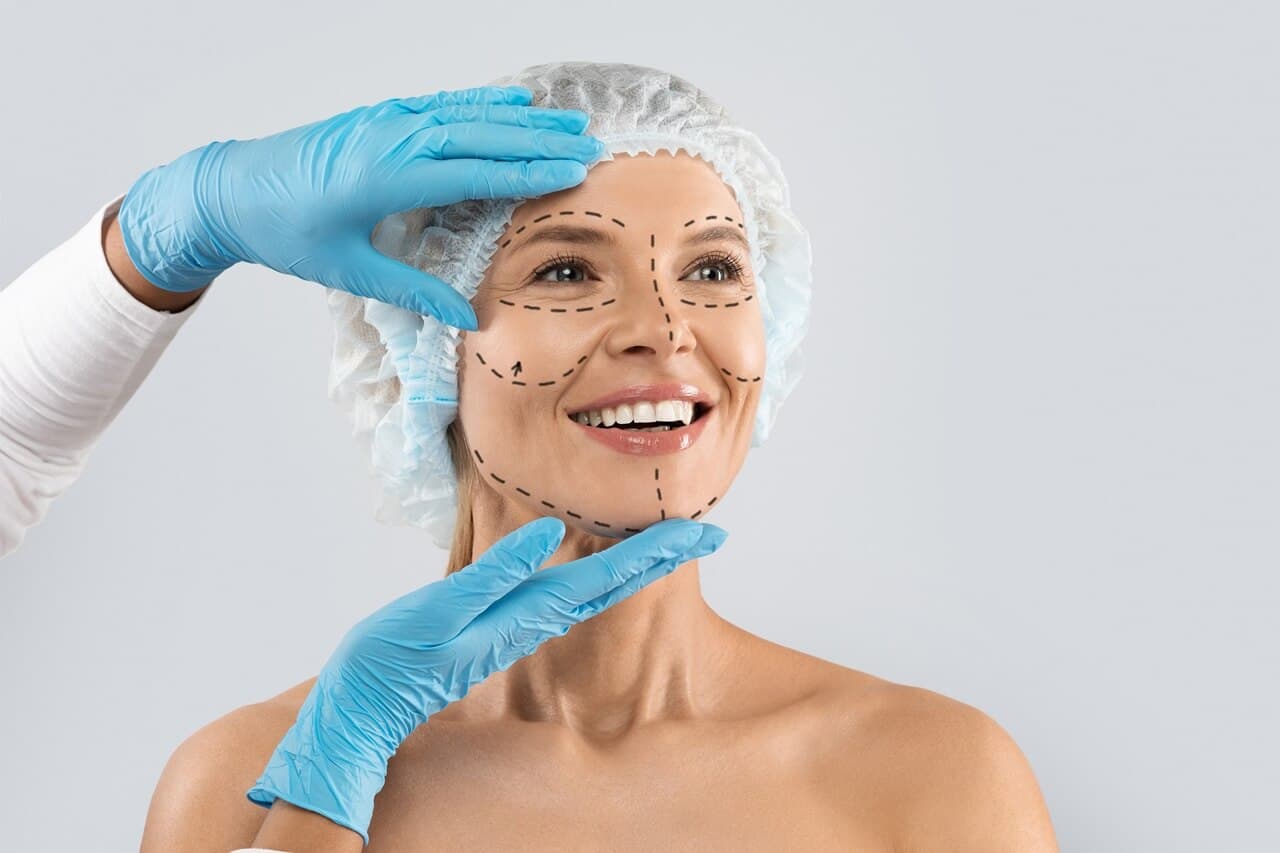
Mesotherapy for face treatments target skin quality. Common areas include the cheeks, forehead, neck, under-eye area and sometimes the back of the hands. People typically choose it for:
- Dull or dehydrated skin
- Uneven texture
- Fine lines
- A tired appearance
Hair mesotherapy is applied to the scalp. It is used as one option in a wider plan for some types of hair thinning, alongside a proper diagnosis of the cause. The products used on the scalp are different from those used on the face, and hair loss always needs a medical assessment first, because thinning can have many causes, including hormonal, nutritional and medical ones.
This guide focuses on facial mesotherapy. If your main concern is hair, ask your doctor about scalp-specific assessment and options.
Treatment steps
A facial mesotherapy appointment generally follows a similar pattern:
- Consultation. Your doctor examines your skin, asks about your medical history, medicines, allergies and previous treatments, and discusses what you hope to improve. They will explain the product, the expected process and the possible side effects before you give consent.
- Cleansing. Make-up is removed and the skin is thoroughly cleaned and disinfected.
- Numbing. A topical anaesthetic cream may be applied for comfort, especially for sensitive areas.
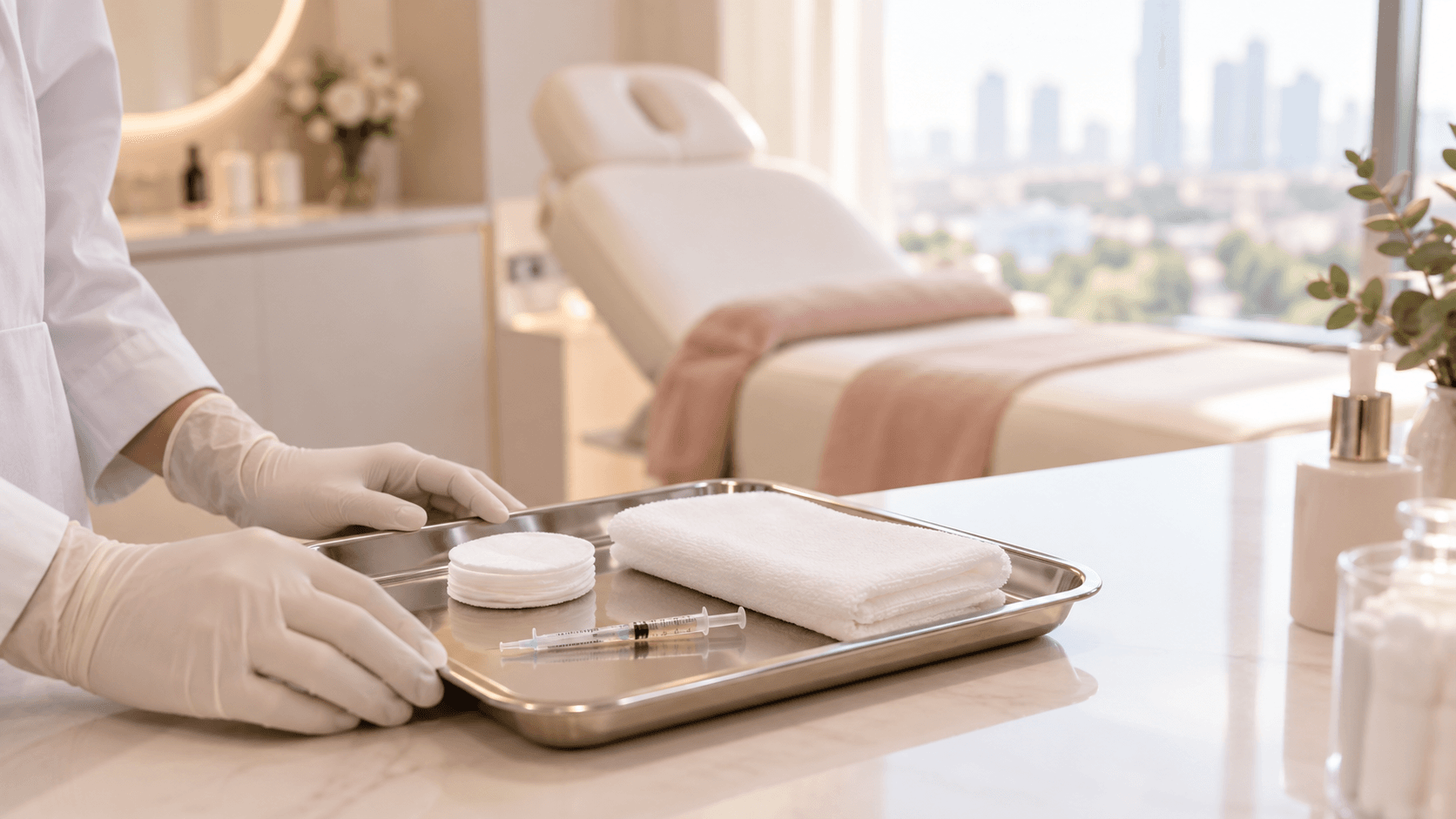
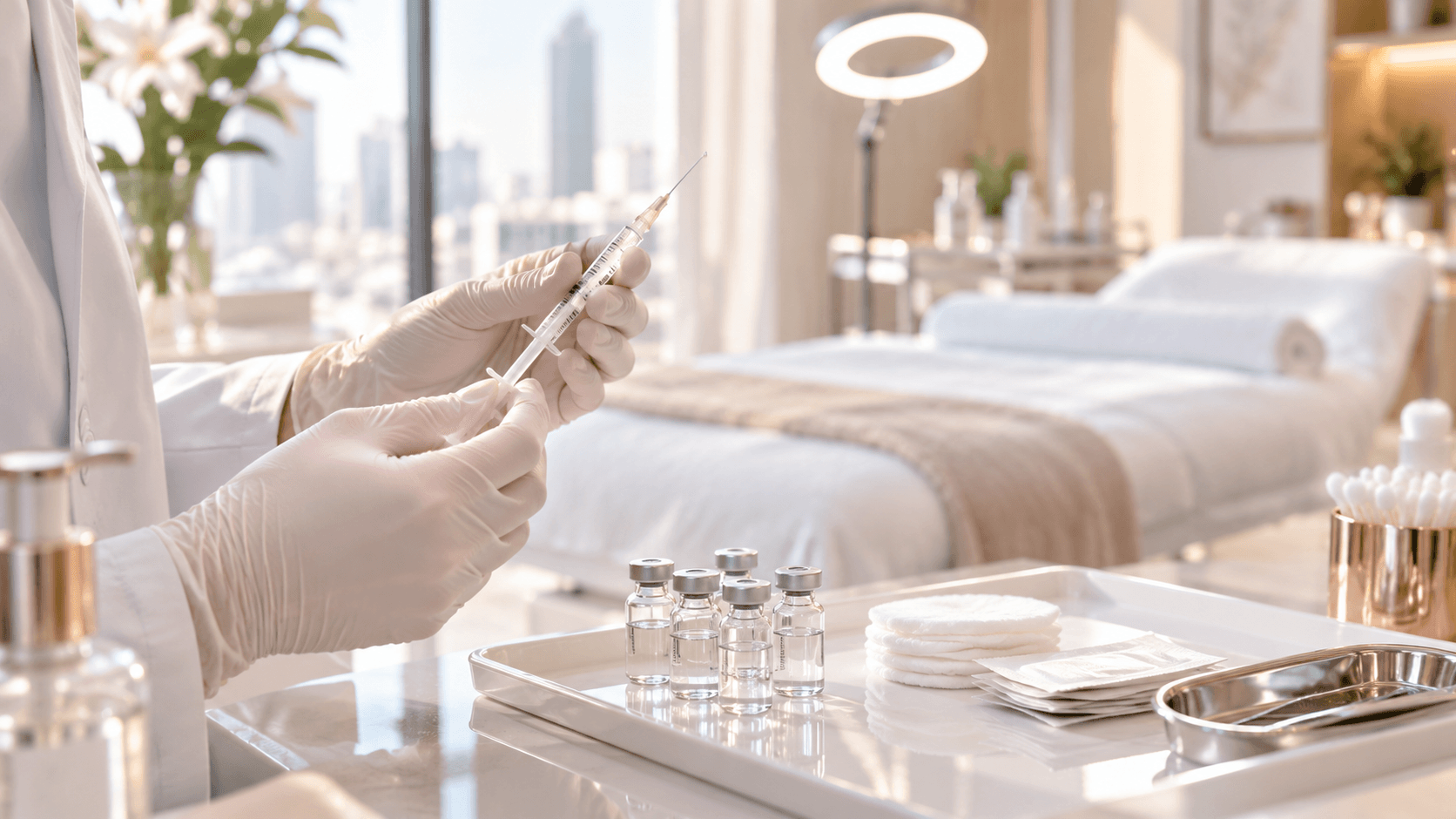
- Injections. The doctor uses a very fine needle, or in some cases a specialised injection device, to place small amounts of product into the skin across the treatment area.
- Finishing. The skin is cleaned again, and a soothing product may be applied.
Most people describe the sensation as a series of quick pinpricks. Including numbing time, an appointment usually takes under an hour, although this depends on the areas treated.
Number of sessions
Mesotherapy is usually given as a course rather than a single treatment. A typical plan involves an initial series of sessions spaced a few weeks apart, followed by occasional maintenance sessions if you and your doctor decide they are worthwhile.
The right number of sessions depends on:
- Your skin concern and its starting point
- The product used, since different formulations have different recommended protocols
- Your age and skin type
- Lifestyle factors, such as sun exposure, smoking and sleep
Your doctor should give you a clear treatment plan up front, including how many sessions they suggest, how far apart, and when they will review your progress. Results build gradually and vary between people, so no clinic can promise a specific outcome or timeline.
Side effects and aftercare
Because mesotherapy involves many small injections, some short-lived reactions are common:
- Redness across the treated area
- Small raised bumps at injection points, which usually settle within a day or so
- Mild swelling or tenderness
- Pinpoint bruising
Less commonly, people can experience prolonged swelling, an allergic reaction to an ingredient, infection, or small lumps that take longer to settle. Contact your clinic promptly if you notice increasing pain, spreading redness, warmth, pus, fever, or any reaction that worries you.
Mesotherapy may not be suitable if you:
- Are pregnant or breastfeeding
- Have an active skin infection, cold sore or inflamed acne in the area
- Have a bleeding disorder or take blood-thinning medicines
- Have a known allergy to any ingredient
- Have certain autoimmune or skin conditions
General aftercare advice often includes:
- Avoid make-up for the rest of the day, or as your doctor advises
- Do not touch, rub or massage the treated area
- Avoid saunas, steam rooms, hot showers and strenuous exercise for the period your doctor recommends
- Use a broad-spectrum sunscreen and limit sun exposure, which matters in the UAE climate
- Avoid strong active skincare, such as retinoids or exfoliating acids, until your doctor says it is fine to restart
Always follow the specific aftercare instructions your own doctor gives you.
Is mesotherapy right for you?
A mesotherapy treatment can be one option for people who want to improve skin hydration and texture without adding volume. It works best as part of a wider skin plan that includes daily sun protection and good skincare. The first step is a consultation with a licensed doctor, who can assess your skin and recommend whether this or another treatment suits you. You can read more about the treatment in Dubai and about mesotherapy in Abu Dhabi on Skin111’s mesotherapy page.
FAQs
Does mesotherapy hurt? Most people feel quick pinpricks. Numbing cream is often used to make the treatment more comfortable.
How is mesotherapy different from fillers? Fillers add volume or shape. Mesotherapy places small amounts of product across the skin to improve hydration and texture, without changing facial structure.
How many sessions will I need? It is usually given as a course of sessions a few weeks apart. Your doctor will recommend a plan based on your skin and the product used.
When can I wear make-up again? Usually from the next day, but follow your doctor’s instructions.
Is there any downtime? Redness and small bumps are common for a short time afterwards. Many people plan treatment on a day without important events.
Can mesotherapy be combined with other treatments? Sometimes, but timing matters. Your doctor will advise how to schedule it alongside treatments such as peels, lasers or injectables.