

IV drips have become a familiar sight in wellness clinics across Dubai, often with names promising energy, glow or recovery. Behind the names, though, most drips are built from a small set of ingredients, and the same safety principles apply to all of them. Whether you are curious about trying an IV drip in Dubai or simply want to understand what is in the bag, this guide explains how IV therapy works, the main drip types, who should and should not have one, and what a session involves.
IV therapy is a medical procedure. The information here is general, and suitability for you can only be decided by a licensed doctor after screening.
What intravenous therapy is
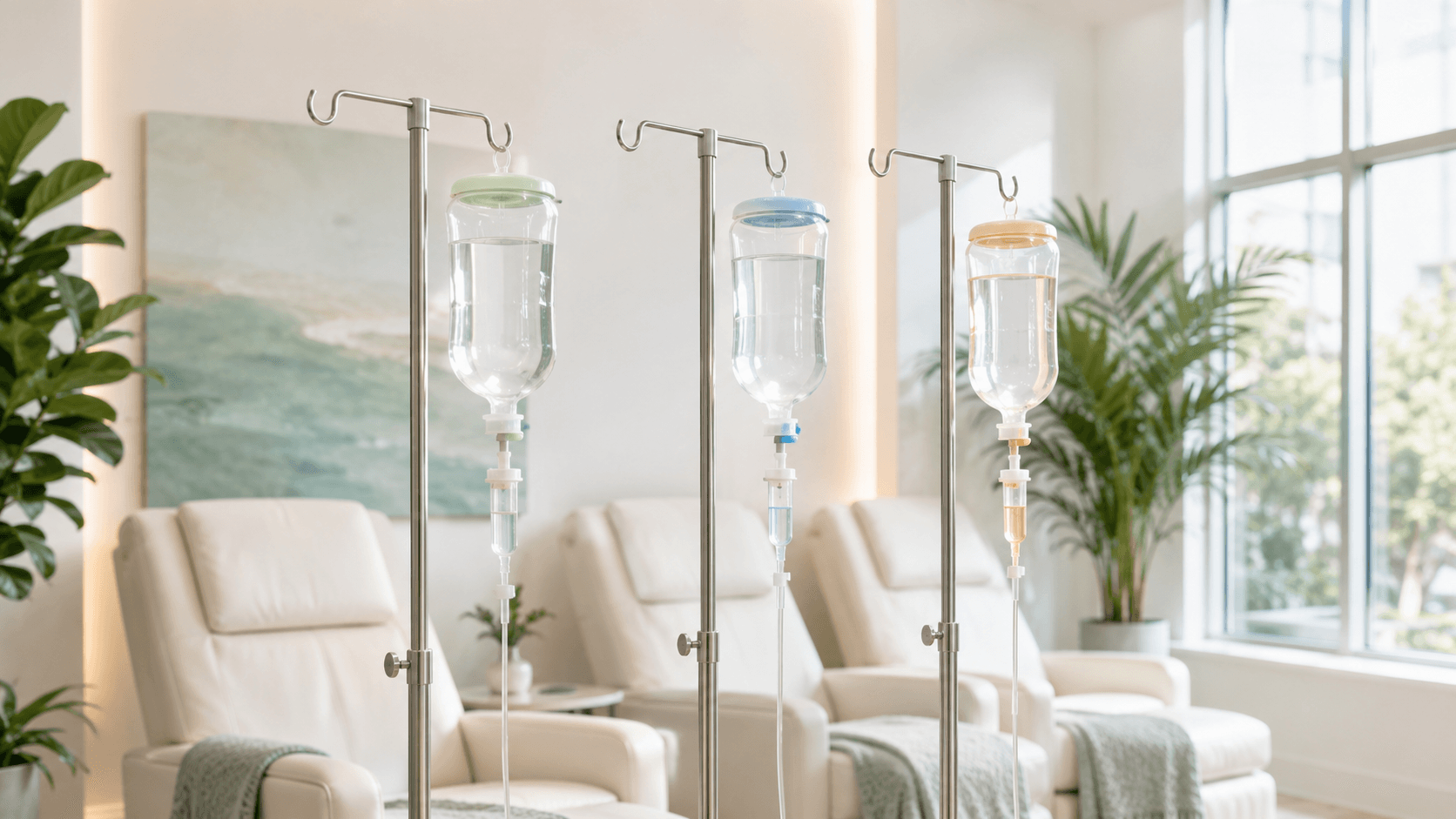
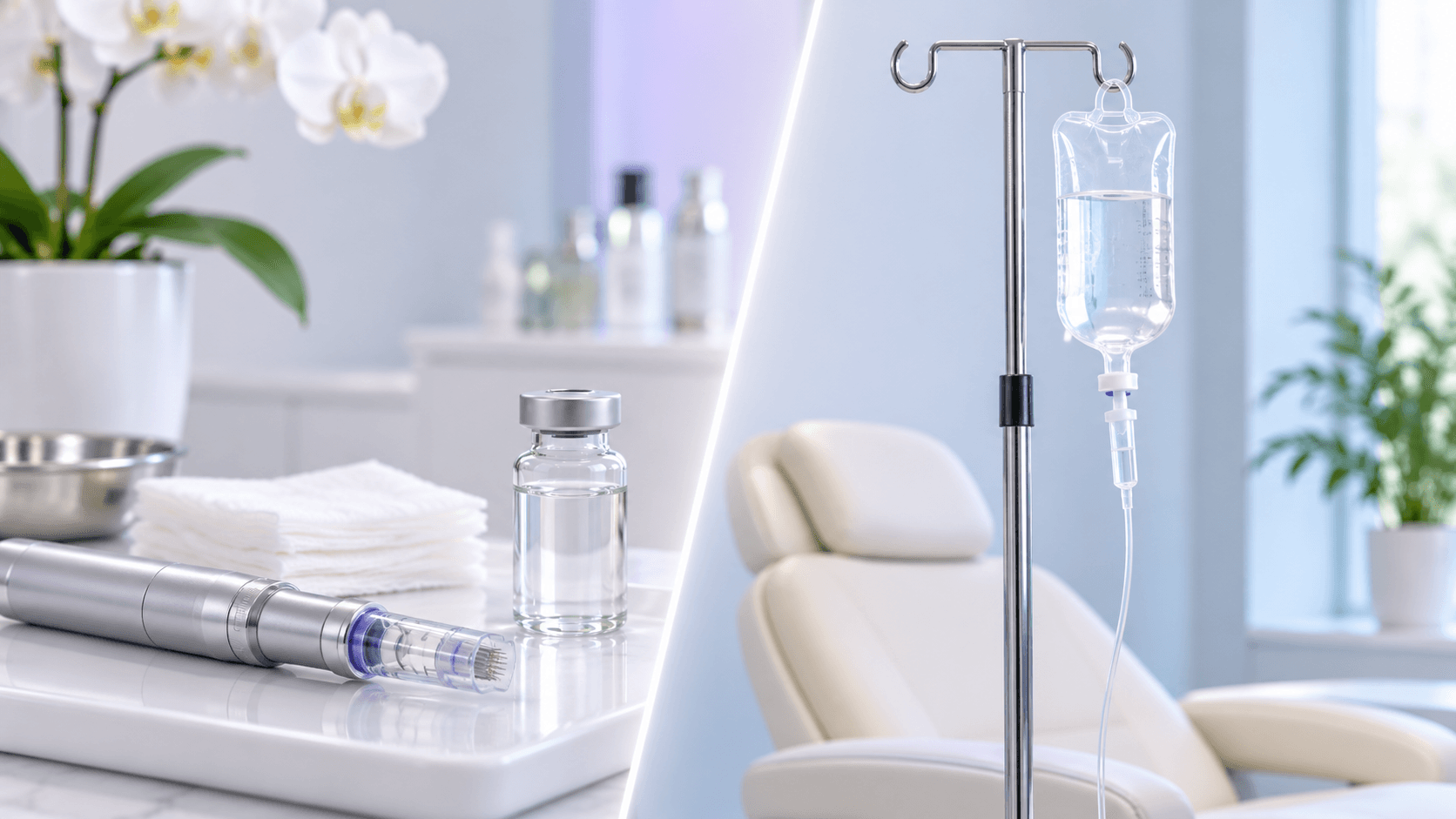
Intravenous (IV) therapy delivers fluid directly into a vein through a thin, flexible tube called a cannula. The fluid flows from a bag, through a line, into your bloodstream at a controlled rate.
Hospitals use IV therapy every day to give fluids, medicines and nutrition to patients who need them. Wellness IV drips use the same method to deliver fluids together with vitamins, minerals or amino acids.
The main difference from taking a supplement by mouth is the route. Oral vitamins pass through the digestive system, and only part of the dose is absorbed. IV delivery bypasses the gut, so the ingredients reach the bloodstream directly. That does not automatically mean the body uses more of them: excess water-soluble vitamins, for example, are filtered by the kidneys and passed in urine. The practical benefit depends on whether your body actually needs what is being given.
Common drip types
Drip menus differ between clinics, but most drips are a variation on a few basic groups:
- Hydration drips. Saline or a balanced electrolyte solution to replace fluids. These form the base of almost every other drip.
- Vitamin drips. Fluids combined with vitamins such as the B-complex group, vitamin B12 or vitamin C.
- Mineral drips. Fluids with minerals such as magnesium, zinc or calcium.
- Antioxidant drips. Often built around glutathione or higher doses of vitamin C, and frequently marketed for skin.
- Amino acid blends. Combinations marketed for fitness or recovery.
- Combination drips. Mixes of the above, given names such as energy, immunity, jet-lag or beauty.
Two points are worth remembering. First, the name on the menu describes a marketing purpose, not the contents, so always ask for the exact ingredients and doses. Second, the evidence for many wellness drips in healthy people is limited. IV drips do not treat or prevent disease, cannot remove toxins, and should never replace medical care for an illness. Where there is a genuine medical need, such as a confirmed vitamin deficiency, your doctor may recommend testing first and then a specific treatment.
Who it is and isn’t for
People who may consider a wellness drip, after screening, include healthy adults who want rehydration, for example after travel or intense exercise in hot weather. Some people choose drips as part of a broader wellness routine, and a doctor may suggest one for a documented deficiency.
IV therapy may not be suitable, or needs extra caution, for people with:
- Heart failure or other significant heart conditions
- Kidney or liver disease
- Poorly controlled high blood pressure
- Allergies to any ingredient in the drip
- G6PD deficiency, which can make high-dose vitamin C unsafe
- Pregnancy or breastfeeding, unless approved by their own doctor
- Conditions or medicines that affect fluid or electrolyte balance
If you feel acutely unwell, with symptoms such as chest pain, breathlessness, confusion or severe vomiting, a wellness clinic is not the right place. Seek urgent medical care instead.
What a session looks like
A well-run IV appointment in a clinic usually follows these steps:
- Screening. You complete a health questionnaire covering medical conditions, medicines, allergies and pregnancy status. A doctor reviews it and confirms whether a drip is suitable, and which one.
- Pre-checks. A nurse measures your blood pressure, pulse and temperature.
- Cannula insertion. The nurse cleans the skin, inserts a small cannula into a vein, usually in the arm or hand, and secures it.
- Infusion. The drip runs at a controlled rate while you sit back in a reclining chair. Many drips take between 30 and 60 minutes, depending on the volume and ingredients.
- Monitoring. The nurse checks on you throughout and watches for any reaction.
- Finishing. The cannula is removed, pressure is applied, and a small dressing is placed over the site.
Common, usually mild effects include bruising or tenderness at the cannula site, a cool feeling in the arm, or a brief metallic taste. Tell the nurse straight away if you feel dizzy, itchy, flushed, short of breath, or notice pain or swelling around the line. After you leave, contact the clinic if the site becomes red, hot or swollen, or if you develop a fever.
IV drip price factors in Dubai
There is no single price for an IV drip, and a quote for an IV drip price in Dubai usually depends on:
- The ingredients. Simple hydration drips generally cost less than drips with several added vitamins, minerals or antioxidants.
- The dose and volume. Larger bags or higher doses of an ingredient can change the cost.
- The setting. An in-clinic session and a home visit are priced differently.
- Medical oversight. Doctor screening, nurse monitoring and any blood tests are part of safe care.
- Packages. Some clinics offer courses of sessions.
A very low price can be a warning sign. Ask whether a doctor reviews your screening, whether a licensed nurse gives the drip, and what exactly is in the bag.
Finding an IV drip near you in Dubai and Abu Dhabi
When you search for an IV drip near me, convenience is only one factor. Before you book, check that the clinic:
- Is a licensed healthcare facility: Dubai Health Authority (DHA) in Dubai, or Department of Health (DoH) in Abu Dhabi
- Requires a medical screening reviewed by a doctor before any drip
- Uses licensed nurses to insert the cannula and monitor you
- Lists every ingredient and dose for each drip
- Uses sterile, single-use equipment
- Gives clear aftercare advice and a number to call
A clinic that is happy to answer these questions is usually a good sign. One that skips screening or cannot tell you what is in a drip is not.
The bottom line
IV drips can replace fluids and deliver vitamins and minerals directly into the bloodstream. They are not a cure and not a replacement for medical care, and they are not suitable for everyone. If you are considering intravenous IV therapy, start with a medical screening and an honest conversation with a doctor about what you hope to achieve.
FAQs
How long does an IV drip take? Many drips take 30 to 60 minutes, plus time for screening and checks. Your clinic will confirm timing for your drip.
Do IV drips work better than oral vitamins? IV delivery bypasses the gut, but whether that brings a benefit depends on whether your body needs the ingredient. Ask your doctor whether a drip makes sense for you.
Can IV drips treat illness or detox the body? No. Wellness drips are not a treatment for disease and do not remove toxins.
Are IV drips safe? For most healthy adults who are screened and monitored by licensed staff, the risk of serious problems is low. Side effects and allergic reactions can still occur.
How often can I have an IV drip? This depends on your health and the drip. Your doctor should decide the frequency after screening.