What Is Melanin? A Simple Guide to How It Works in Skin & Hair
What Is Melanin?
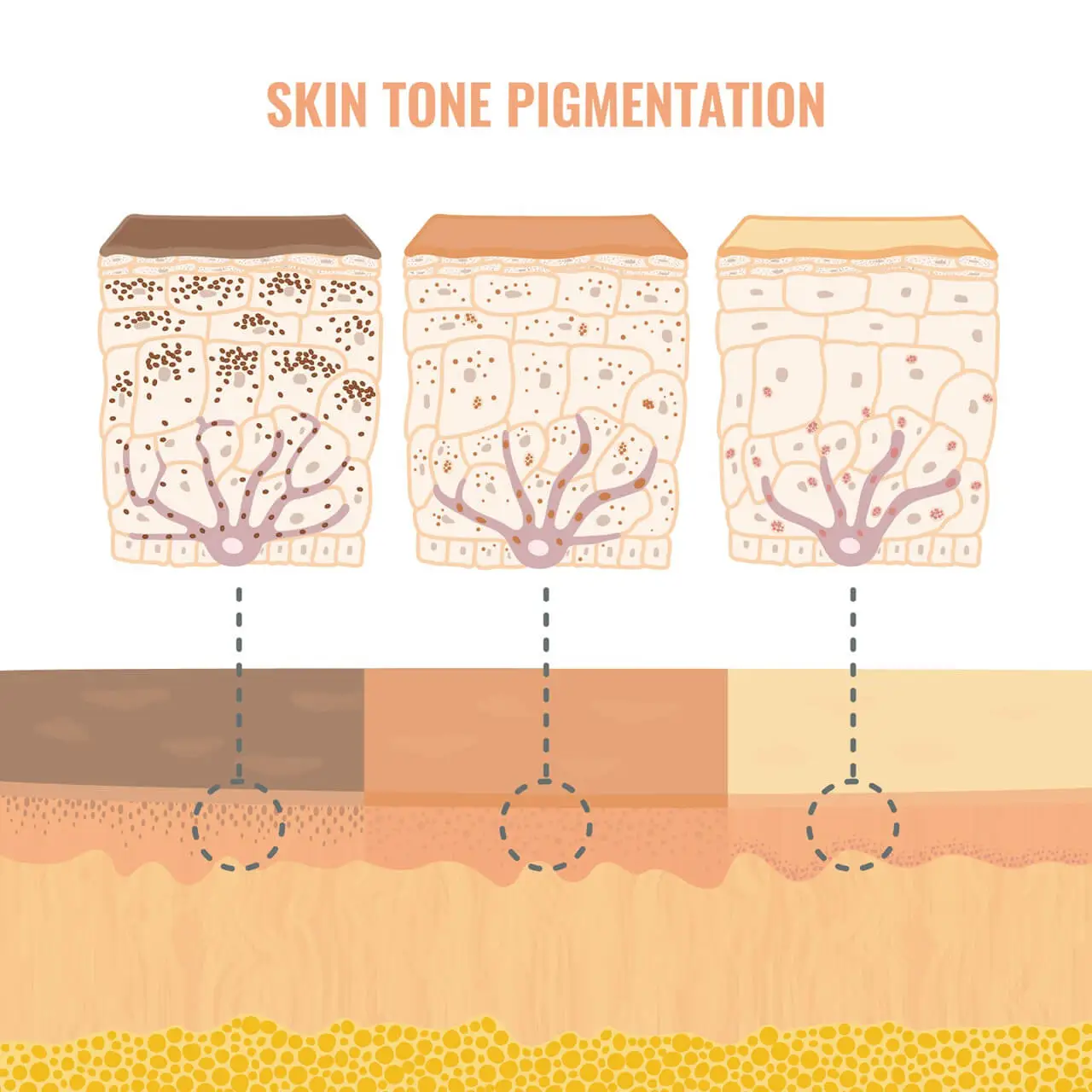
Melanin is a pigment created by specialized cells referred to as melanocytes. Melanocytes reside in the skin, hair follicles, and eyes and determine skin color, hair color, and eye shade.
Melanin is also produced by the body as a protective response to the environment; melanin absorbs and disperses ultraviolet radiation. By absorbing and dispersing ultraviolet radiation, melanin provides skin resiliency and cellular protection. Physicians at Skin111 view melanin as a vital biological aspect and therefore not a cosmetic concern.
How Melanin Works in the Body
Production of melanin begins within melanocytes. Melanocytes then produce melanin and transport it to neighboring skin and hair cells. This process contributes to skin pigmentation and tone.
Melanin also protects skin cells at a cellular level; it minimizes damage caused by exposure to the environment. When melanin production becomes unbalanced, concerns such as dark patches and uneven tone may require professional care like our advanced melasma treatment. Skin111 thoroughly evaluates these patterns prior to recommending any corrective measures.
Types of Melanin
There are two distinct forms of melanin produced by the body; each form contributes to pigmentation and biological function.
Two main forms of melanin are:
- Eumelanin - contributes to the development of brown and black pigments
- Pheomelanin - contributes to the development of red and yellow pigments
When there is an adequate balance of eumelanin and pheomelanin, an individual's skin and hair color develop. When assessing pigmentation-related issues, Skin111 assesses the balance of these two forms of melanin.
Melanin Benefits for Skin and Hair
Melanin provides a protective and supportive role in skin and hair. Melanin maintains the biological equilibrium and resilience of skin and hair.
Some key benefits of melanin include:
- Protects skin from UV exposure
- Maintains skin barrier function
- Contributes to even skin tone
- Determines an individual’s natural hair color
- Supports scalp and follicular health
Skin111 aims to preserve these benefits while treating uneven or excessive melanin distribution.
Role of Melanin in Hair Follicle Health
Melanin affects hair color and follicle function. During periods of hair growth, melanocytes residing in the hair follicle produce pigment. Healthy melanin function provides for consistent hair color and follicular vitality.
In some cases, changes in melanin function can influence hair appearance over time. In addition to evaluating pigmentation issues, Skin111 physicians examine scalp health and follicular conditions when examining patients experiencing hair-related issues.
How to Reduce Melanin Naturally and Clinically
Lowering your melanin levels doesn't mean you want to get rid of your melanin totally. You just need to have some control and balance. Both natural and medical approaches will help support skin clarity and an even-toned complexion.
Natural and Clinical Approaches can include:
- Sun protection methods
- Guidance on using medical-grade products
- Doctor-led aesthetic treatments.
- Evaluations of lifestyle and skin health
All clinical approaches at Skin111 begin with a full assessment. All treatments at Skin111 are formulated to promote cellular-level rejuvenation without damaging your skin's structure.
How to Improve Melanin Balance in the Body
Your melanin levels depend on both inside and outside factors. Your skin health, sun damage (UV exposure), and genetics all play a role in what happens to your melanin levels. The better balanced your melanin levels are, the clearer and stronger your skin will be.
Skin111 promotes melanin balance by:
- Conducting personalized skin analyses
- Providing doctor-created treatment plans
- Creating comprehensive skincare systems
- Continuously evaluating patient progress
The reason why we do this is so you will experience immediate improvement and sustainable results.
How to Increase Melanin Levels Safely
There are times when boosting melanin production may help to protect your skin and make it more resilient to the effects of UV light, etc. These increases in melanin levels must be completed safely, under the supervision of a medical professional.
Safe Methods to increase melanin production include:
- Encouraging good skin health
- Enhancing the way your skin responds to UV exposure
- Maintaining biological homeostasis
Skin111 doctors will determine if you would benefit from melanin production support depending on your individual skin needs and overall health.
Factors That Affect Melanin Production
Every person has their own unique genetic makeup that contributes to varying amounts of melanin produced, as well as the distribution of melanin throughout their body.
Some common contributing factors include:
- Genetics
- Exposure to UV light from the sun
- Hormonal fluctuations
- Skin inflammation
- Aging
- Medical conditions
These are just some of the many factors that contribute to how much melanin your body naturally produces and how it distributes melanin. Skin111 will consider each of these factors when developing a customized treatment plan for you and your specific skin concerns.
When to See a Specialist for Melanin-Related Concerns
Not every discoloration issue needs to be treated. If you have been experiencing a sudden or gradual onset of unevenness, dark spots, or other color-related issues with your skin, then a consultation with a board-certified dermatologist or esthetician will be beneficial to determine the cause of the issue.
Consult a specialist immediately if you notice:
- Uneven skin tone
- Dark spots
- Sudden skin pigmentation
- Pigmentation that gets worse over time
- Increased skin sensitivity or irritation
The Skin111 team of experts will evaluate your skin and develop a customized treatment plan that meets your specific skin concerns and addresses your questions.
Conclusion
Melanin plays a critical role in maintaining the health of our skin and hair. It serves as a protective agent, supports natural coloration, and helps define our appearance. When melanin production becomes uncontrolled, however, problems can occur. Understanding the nature of melanin production and how to regulate it is necessary to properly address any melanin-related issues.
Skin111 has a team of doctors who offer custom evaluations and treatments to help restore balance to your skin health and provide consistent results. As the Most Trusted Aesthetic Clinic 2024, Skin111 is a safe and effective destination for managing melanin-related issues and maintaining your skin health.
Most Popular:
-
Sciton HALO vs Sciton BBL
Read More »September 20, 2022 -
What is profhilo, and how is it different from fillers?
Read More »September 20, 2022 -

Body contour solutions from SKIN111
Read More »September 20, 2022 -
Does IV GLUTATHIONE therapy work
Read More »September 20, 2022 -

How can an IV drip help you boost your energy
Read More »September 20, 2022