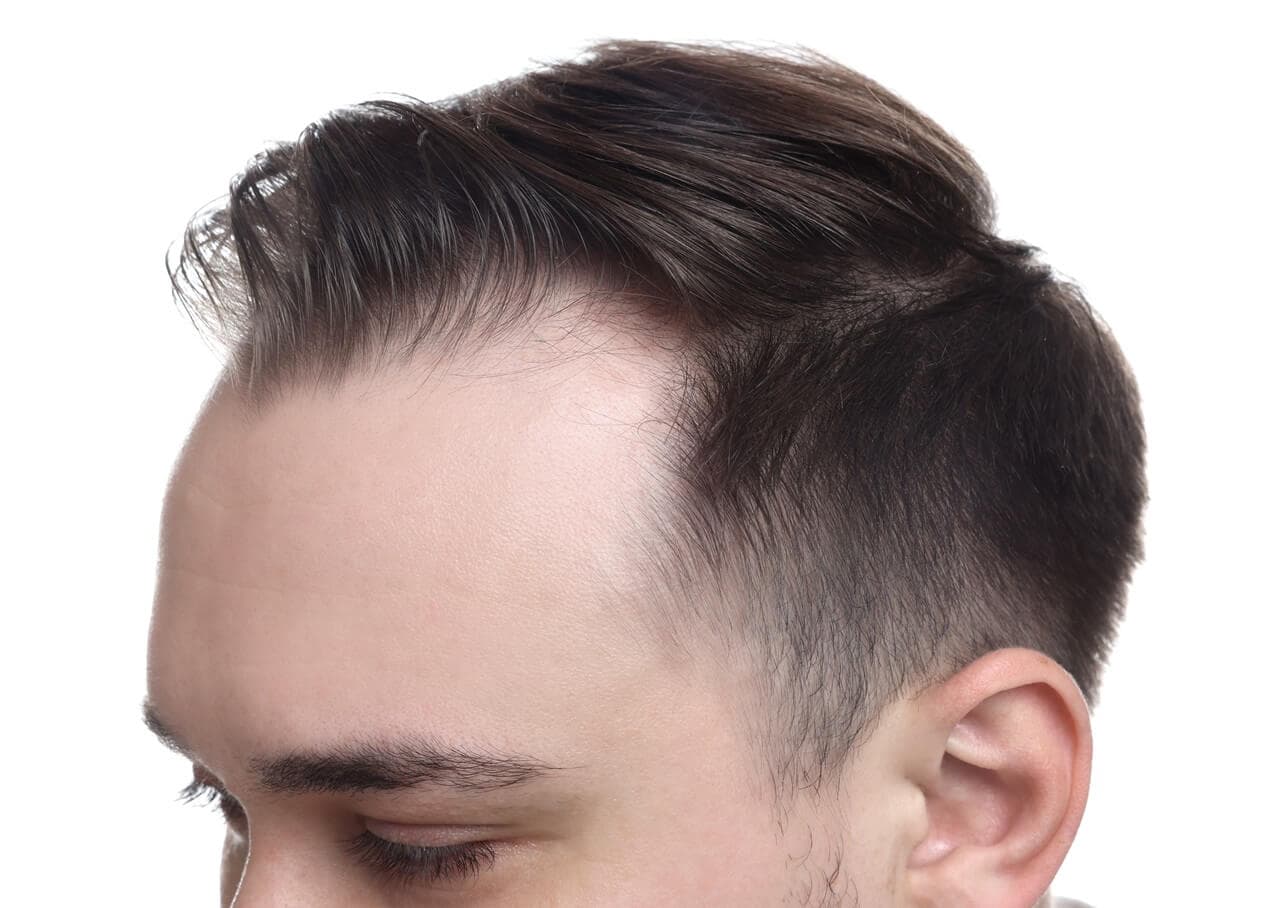

Going for a hair transplant treatment is a meaningful step you take toward restoring not just your hair but also your confidence. While the procedure itself is important, understanding the post-procedure hair transplant results and how they develop over time is what truly prepares you for the journey ahead. Restoring the natural mane is never instant but rather a gradual transformation that unfolds over months.
By knowing what to expect before, during, and after treatment, you can remain patient, confident, and mentally prepared throughout the recovery process.
What Happens Before a Hair Transplant Treatment?
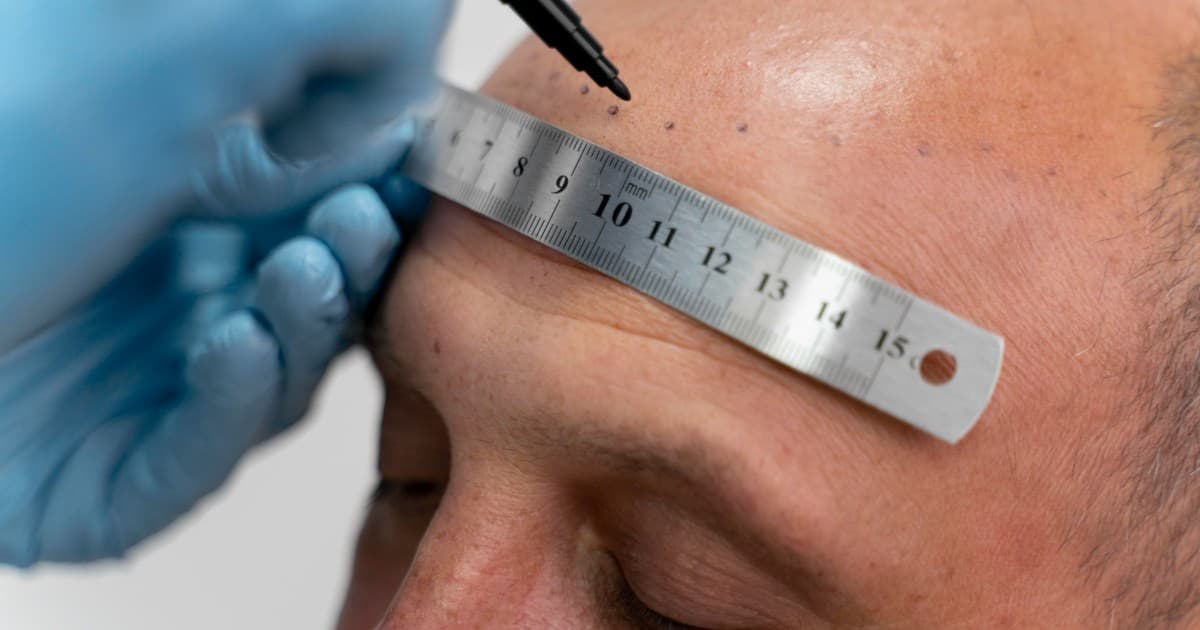
Before undergoing a hair transplant, a detailed assessment is carried out to evaluate hair loss patterns, donor hair availability, scalp health, and overall suitability for the procedure. This stage is crucial because it determines how natural and long-lasting the final result will be.
Individuals are often advised early on that hair restoration works in phases. There is no dramatic overnight change. Instead, the aim is to achieve steady growth that blends naturally with existing hair. Setting realistic expectations at this stage helps reduce anxiety during recovery and builds trust in the process.
What Should You Expect Immediately After the Procedure?
The first week after a hair transplant marks the most sensitive stage of the recovery timeline. The scalp begins healing immediately, and visible signs such as redness, swelling, or tightness are completely normal.
Tiny scabs form around each transplanted graft as part of the natural healing response. The donor area may feel sore, but the right medicine helps manage discomfort effectively. Itching can also occur, but scratching or picking at the scabs must be avoided to protect the grafts. Most feel comfortable returning to work within four to seven days, as long as aftercare instructions are followed carefully.
What Changes Occur Two Weeks After a Hair Transplant?
Around the two-week mark, the scalp begins to look cleaner and calmer. The scabs that formed earlier start to fall off naturally during gentle washing, revealing healthier-looking skin underneath. Redness continues to reduce, although mild itching may persist as deeper layers of tissue heal.
This is also the stage when transplanted hairs may begin to shed. Known as shock loss, this is a completely normal part of the healing process and does not mean that the treatment failed. Light physical activity can usually be resumed, but heavy sweating should still be avoided.
Why Does Hair Fall Out One Month After the Transplant?
One month after treatment, many patients notice that most of the transplanted hair has fallen out, making the scalp appear similar to its pre-transplant condition. While this can be emotionally challenging, it is a critical phase of recovery.
At this stage, the scalp has healed, and the hair follicles have entered a resting or dormant phase. The roots are settling deeper into the scalp, preparing for new growth. This phase is temporary and essential for achieving strong, natural hair later on.
Is Any Progress Happening at Two Months?
Although visible changes are minimal around the two-month point, significant internal healing continues. The transplanted roots remain active beneath the scalp, preparing to enter the growth phase.
Some people may begin to notice very fine baby hairs emerging, while the donor area continues to thicken and normalise. Emotionally, this is often the toughest phase because progress is not immediately visible, but patience during this period is key.
When Does New Hair Growth Actually Begin?
Around three months post-transplant, the first encouraging signs of growth appear. Soft, thin vellus hairs begin to emerge in the transplanted areas, signalling the start of active hair growth.
While density remains low at this stage, the scalp feels completely normal, and most regular activities can be resumed. Doctors often document progress during this phase to monitor and ensure healthy development.
How Do Results Improve After Four Months?
By the fourth month, improvement becomes more noticeable. The newly grown hair starts to thicken, and growth continues across the treated area. It’s common for hair to appear uneven or patchy during this phase, but rest assured, it is temporary.
Some patients may experience mild tingling sensations, which means nerve regeneration beneath the scalp.
What Do Hair Transplant Results Look Like at Six Months?
The six-month mark is often one of the most exciting stages. By now, approximately half of the final results are visible. Hair appears denser, darker, and more natural, and patients can cut, trim, or style their hair comfortably.
The donor area becomes difficult to detect, especially with modern techniques. In some cases, doctors may recommend supportive therapies or medications to further enhance density and strength.
What Happens Between Nine and Twelve Months?
Between nine and twelve months, the transformation becomes more dramatic. Around 80–90% of the final results are visible. Hair thickens further, patchiness evens out, and the hairline looks mature and realistic.
When Does the Full Result of The Hair Transplant Treatment Achieve?
The final stage of the hair transplant treatment occurs between twelve and eighteen months. During this time, full density, volume, and texture are achieved. Hair curl patterns and thickness typically align with your natural hair type, making the transplant area indistinguishable from the rest of the scalp.
Many patients describe this stage as life-changing, as they regain complete freedom to style their hair with confidence.
Final Thoughts on Hair Transplant Results
Hair restoration is a journey that rewards patience, commitment, and proper care. While growth takes time, following aftercare instructions and maintaining realistic expectations are essential for optimal outcomes.
At SKIN111, patients are guided through each phase of the recovery process with clarity and transparency, helping them understand what to expect before, during, and after treatment. With time, care, and consistency, the full benefits of your hair transplant journey naturally reveal themselves.